Access to safe shelter is a critical first step for survivors of gender-based violence (GBV). Lasting protection also depends on coordinated services that help survivors access psychosocial support, legal assistance and pathways to rebuild their lives.
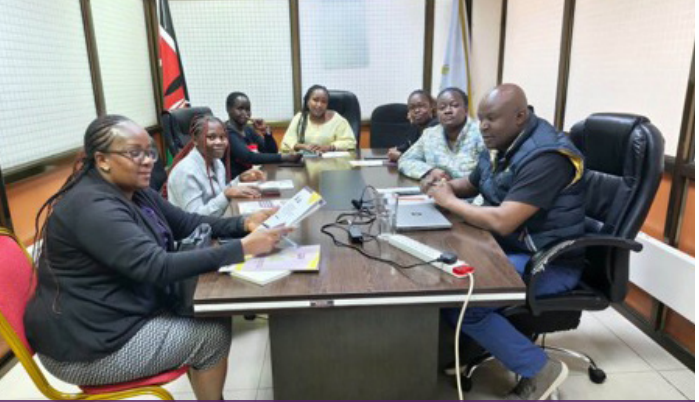
Recognising the importance of this coordinated approach, the National Gender and Equality Commission’s (NGEC) Nakuru Regional Office convened the Nakuru County Shelters Network to strengthen collaboration among stakeholders involved in GBV prevention, protection and response.
The engagement comes as preparations gather momentum for the 2026 16 Days of Activism Against Gender-Based Violence, observed annually from 25 November to 10 December. Among the proposed activities is a public education and legal aid clinic in Molo Sub-County, intended to strengthen awareness of GBV and access to support services.
Discussions focused on strengthening referral pathways, improving survivor-centred protection and enhancing access to psychosocial support. Effective coordination among shelters and other service providers is essential to ensuring that survivors can access appropriate assistance without encountering unnecessary delays or gaps between services.
The meeting also recognised the emotional demands placed on frontline workers who respond to cases of violence. Psychosocial support for these workers is an important consideration in sustaining effective response systems, given the difficult experiences they encounter in supporting survivors.
To support ongoing public education and service delivery, the Network received NGEC publications for use in its engagement with communities and other stakeholders. The materials are intended to contribute to greater awareness of equality, human rights and protection from violence.
For survivors seeking assistance, Kenya’s national GBV helpline, 1195, provides round-the-clock counselling and referrals.
Awareness of available services must be matched by effective local coordination so that survivors can connect with appropriate support, including safe shelter and legal aid.
The Nakuru engagement reflects the importance of sustained collaboration between national institutions, county stakeholders and service providers in strengthening protection systems.
As preparations continue for the 16 Days of Activism, NGEC will continue working with relevant stakeholders to promote effective policies, coordinated referrals and sustainable mechanisms that protect survivors and support those responding to violence.
Ultimately, the effectiveness of GBV response systems depends on whether survivors can access timely, appropriate and dignified assistance when they need it. Strengthening coordination across Nakuru County’s shelter network is an important part of making that protection a practical reality.