The National Gender and Equality Commission (NGEC) has asked Parliament to amend four education Bills so that the laws governing Competency-Based Education protect the learners most likely to face exclusion.
Its memoranda to the National Assembly Departmental Committee on Education cover the Basic Education Bill (National Assembly Bill No. 50 of 2026), the Kenya National Educational Assessments Council Bill (No. 51 of 2026), the Pre-Service Education and In-Service Training Bill (No. 52 of 2026) and the Kenya National Qualifications Framework (Amendment) Bill (No. 53 of 2026). They are four of the six Education Sector Bills on which the Commission presented its views to the Committee, as Edition 46 reported.
FROM EVIDENCE TO LAW
Edition 46 carried the Commission’s evidence on the transition to senior school: Grade 10 placements that did not match school capacity, learners arriving without assessment reports, schools that did not record learners with disabilities by sex, and mainstream schools without teachers trained in special needs education.
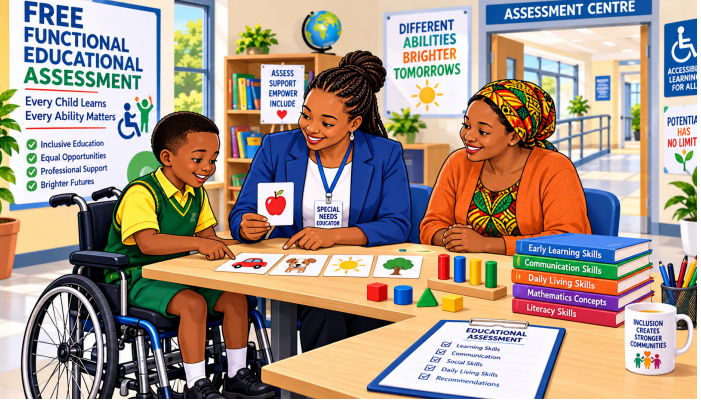
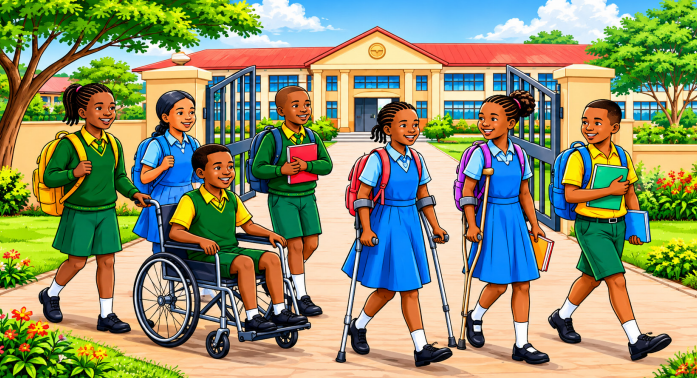
The memoranda carry that evidence into the statute book. They propose that placement follow an individual assessment, that functional assessment be free, that reasonable accommodation be a right in every school, examination room and teacher training college, and that each Bill require data disaggregated by sex, age, disability and location.
“The Commission respectfully urges the Committee to adopt the proposed amendments and provide for their implementation through identifiable resources, accessible procedures and effective remedies” NGEC memoranda to the National Assembly Departmental Committee on Education, 2026
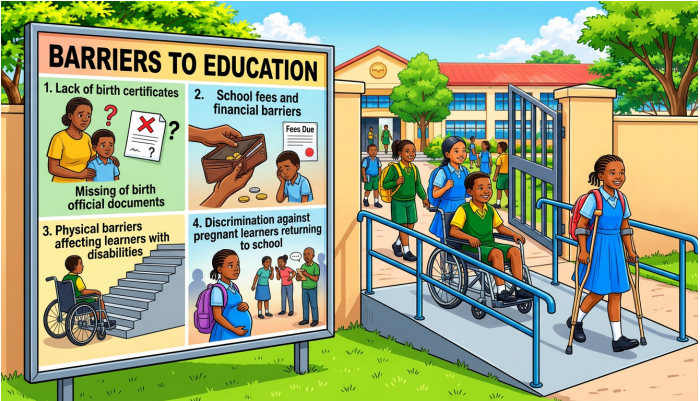
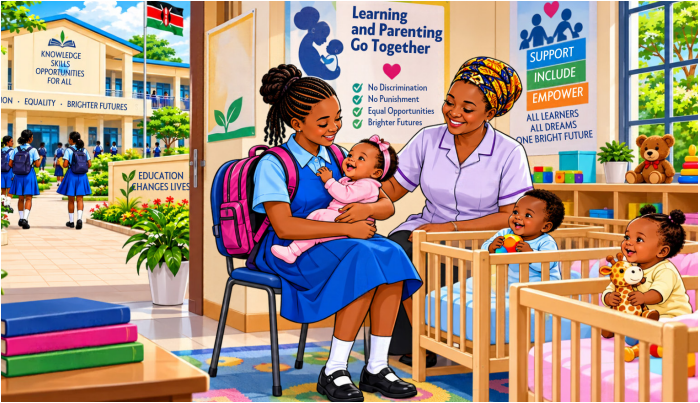
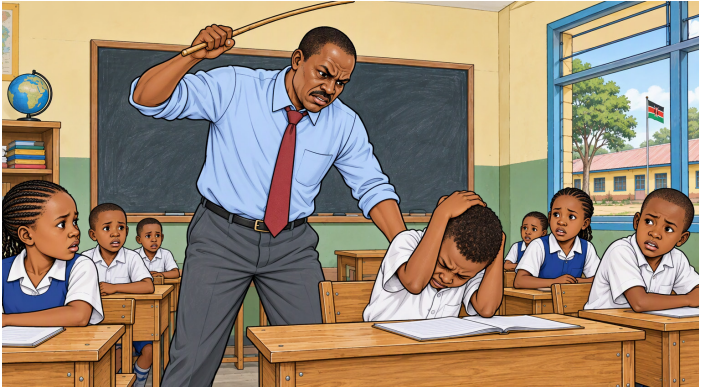
They also seek free basic education for every child irrespective of citizenship, admission without birth certificates or other documents, re-entry after pregnancy without punishment, proportionate sanctions for examination malpractice, the two-thirds gender principle on education boards, and recognition of skills that women, older artisans and persons with disabilities acquire outside formal schooling.
WHAT THE COMMISSION WELCOMES
The Commission welcomes the Bills’ equality principles, the protection against exclusion for unpaid charges or lack of proof of age, the re-entry framework, the special needs education duties, the disability-interest seat on the assessments council, the special needs teacher education pathway and the C-minus admission provision for applicants with disabilities.
Each memorandum grounds its proposals in the Bill of Rights, including Article 27 on equality and freedom from discrimination, Article 53 on the rights of children, Article 54 on persons with disabilities, Article 56 on minorities and marginalised groups and Article 57 on older members of society. The stories that follow set out, Bill by Bill, what the Commission asked for and why.
Beyond the Bills, the edition follows Children Service Month in three regions, the national response to femicide, women’s leadership ahead of the 2027 General Elections, gender budgeting in Kilifi and the Commission’s accessibility audits of railway stations and airports.