The National Gender and Equality Commission (NGEC) joins Indigenous Peoples, Kenyans and the international community in commemorating the International Day of the World’s Indigenous Peoples 2026. Observed annually on 9 August, the States recognise the contribution of Indigenous Peoples and renew action to protect their rights, cultures, knowledge systems and ways of life. This year’s theme is “Honouring Indigenous Midwives: Safeguarding Life and Well-being”
Midwifery is one of the oldest and most important forms of care. Across generations, midwives have supported women through pregnancy, childbirth and the postnatal period, safeguarding the lives and dignity of mothers and newborns. Indigenous midwives are custodians of community knowledge on maternal care, nutrition and medicinal practice, and they transmit that knowledge, together with language and culture, from one generation to the next.
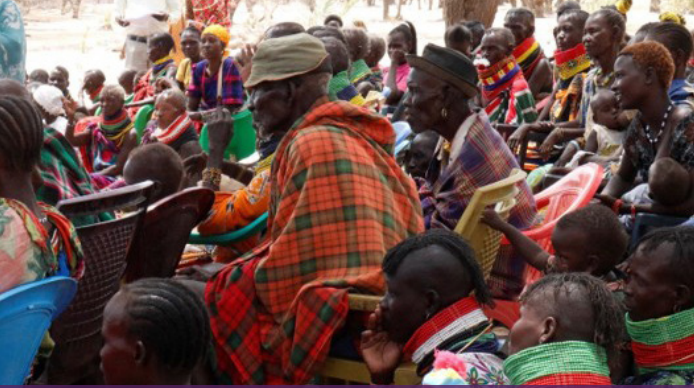
In Kenya, ethnic minorities, indigenous and other historically marginalised communities continue to sustain this tradition. The roles of indigenous midwives are significant in underserved areas where health facilities may be distant, transport is unreliable and formal services are difficult to access. Ethnographic evidence shows that in marginalised communities, midwives promote birth preparedness, encourage timely use of health facilities, support referral and identify women who require skilled or emergency care.
The 2019 Kenya Population and Housing Census estimated the maternal mortality ratio of 355 deaths per 100,000 live births, ranging from 67 in Nyeri to 641 in Garissa. The 2022 Kenya Demographic and Health Survey reported that 88 per cent of births occurred in health facilities. Home births remained high in Mandera at 50 per cent, Tana River at 48 per cent, Turkana at 47 per cent, Wajir at 46 per cent and Samburu at 45 per cent. These disparities are not only geographical, but also socio-economic and gendered, and fall heavily on the communities in which indigenous midwives serve.
Importantly, indigenous midwives and traditional birth attendants are not substituting for qualified healthcare professionals. Their proximity, knowledge and community trust should be linked to the formal health system through appropriate training, supervision, communication and referral mechanisms. Indeed, every woman is entitled to healthcare that is both clinically safe and culturally respectful.
The Commission commends the Government for measures taken to address historical exclusion and expand access to essential services. These include the establishment of the Minorities and Marginalised Affairs Unit, the adoption of the National Policy on Ethnic Minorities and Marginalised Communities 2025, recognition of previously unrecognised communities, investments to reduce marginalisation through the Equalisation Fund, expansion of primary healthcare services, the revitalised Community Health Promoters program, and reforms towards universal health coverage. The Commission also recognises the contribution of Indigenous women’s organisations, civil society and community leaders in advancing the rights and visibility of Indigenous Peoples. On the same measure, the Commission observes that indigenous midwives largely remain outside formal health planning, training and referral systems. Their knowledge is often undocumented and inadequately protected. Many operate without clear referral pathways, structured support or recognition of their contribution. These gaps are compounded by, among other factors, limited transport infrastructure, long distances to health facilities, and the limited availability of emergency referral services in nomadic and hard-to-reach areas. At the same time, language barriers, discrimination and culturally insensitive treatment continue to discourage some Indigenous women from seeking facility-based health care.
On this International Day of the World’s Indigenous Peoples, the Commission calls on the national and county governments to consider the following:
- Continue supporting Indigenous midwives as important community partners in the promotion of maternal and new-born health, while maintaining clear standards for skilled clinical care.
- Strengthen formal referral and communication linkages between Indigenous midwives, Community Health Promoters and health facilities.
- Continue to expand emergency obstetric and new-born services, outreach programmes and referral transport in hard-to-reach, nomadic and underserved areas.
- Continue to offer culturally and linguistically responsive maternity care that respects the dignity, knowledge and choices of Indigenous women.
- Document and protect Indigenous maternal health knowledge, with the free, prior and informed consent of the communities and knowledge holders concerned.
- To the greatest extent possible, include Indigenous midwives and women’s representatives in health planning and decision-making at community, county and national levels.
- Strengthen data collection and public investment to address inequalities in maternal and new-born health among Indigenous and marginalised communities.
The National Gender and Equality Commission reaffirms its commitment to advancing equality, inclusion and freedom from discrimination for all, including Indigenous Peoples.
Happy International Day of the World's Indigenous Peoples 2026!
Usawa kwa Wote — Equality for All.
SIGNED
Hon. Rehema Jaldesa
CHAIRPERSON