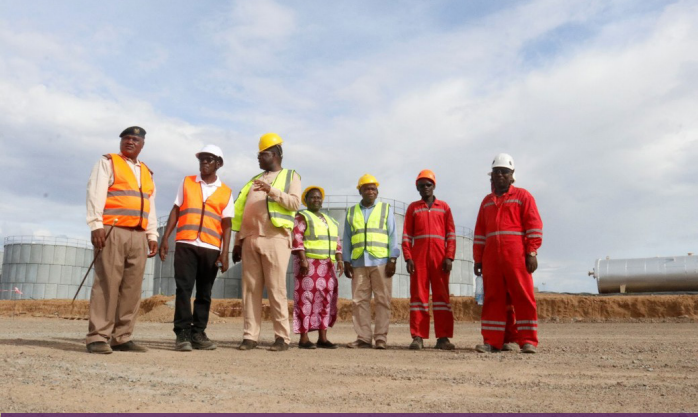
The National Gender and Equality Commission visited the South Lokichar oil blocks in Turkana South for the first time, touring the Amosing oil block and hearing from Kapese families who fear being displaced by oil drilling.
At Amosing, Gulf Energy is preparing to begin production in November. The Commission assured nearby communities in Kapese that their concerns will be placed before duty bearers for action.
The delegation was led by the Vice Chairperson, Commissioner Thomas Koyier, with Commissioner Caroline Lentupuru and officers of the Commission’s Secretariat. They were accompanied by the Turkana South Sub-County security team, led by the Deputy County Commissioner, Mr Gedion Ombongi.
Gulf Energy’s Social Performance Manager, Mr John Eris Lothike, took the delegation through the facility. He reiterated the company’s commitment to supporting host communities as part of its business model.
THE KAPESE TESTIMONY
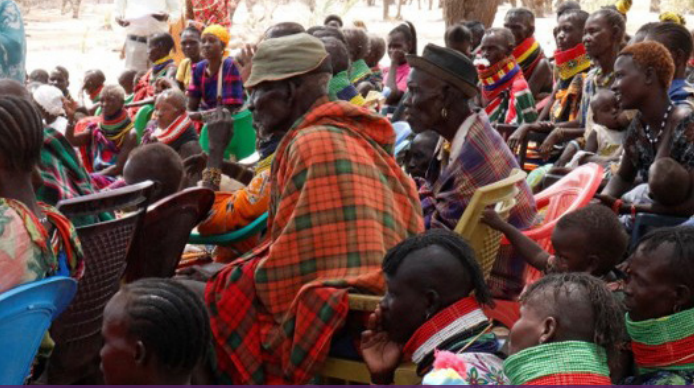
At Kapese, the Commission brought the concerns of residents, the national government administration and the company into the same conversation. Residents told the delegation that the processes surrounding the acquisition of their land are not transparent and that the investor has not fully involved the community. They said they fear being displaced to make way for oil drilling.
Elder Lokwang Etidong alleged that corruption has affected the compensation process and called on Gulf Energy to come out clearly on its plans for the community. Another elder, Simon Ekutan, who heads the Kapese settlement, said several delegations had promised to address the community’s plight without results. He said dust from oil vehicles is affecting residents’ health and that local people have not received the job opportunities they once had under Tullow Oil. He said the community faces water shortages while water is plentiful inside the company’s rig site.
Residents also described a lack of water, food, medicine and schools. They said that since disarmament, livestock raids by neighbouring communities have left them exposed, and they alleged mistreatment by officers of the Anti-Stock Theft Unit, including the seizure of livestock.
DUTY BEARERS RESPOND
Vice Chairperson Koyier assured residents that the Commission had recorded their concerns and would place them before the responsible duty bearers for action.
Mr Ombongi acknowledged the residents’ concerns and undertook to convene a multi-stakeholder forum to resolve them. He said residents need to understand the laws and guidelines that govern oil exploration, particularly from a national security perspective, and that the deployment of security officers to guard the project should not be cause for worry.
He said he will ask Gulf Energy to consider providing piped water to residents, and that the company and the Government will agree on where a health facility can be set up.
THE CHAIRPERSON’S CHARGE
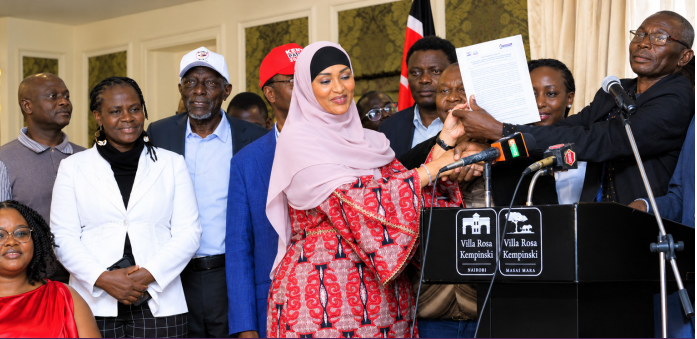
Commission Chairperson Hon. Rehema Jaldesa carried the oil question to residents in Lokichar and to national and county Government officials in Lodwar during the same mission.
Addressing the officials in Lodwar on 8 October 2026, she said drilling at South Lokichar resumes on 1 November and that first oil is expected in December. She told them that about 3,600 people face the compulsory acquisition of their land, and that compensation must match the value of that land.
“The time to secure equity is now, before production begins,” she said. “The Commission asks that women, youth, persons with disabilities and all the members of the host community have a guaranteed place in the decision on compensation.”
She added that employment, local content and community funds must benefit the local community.
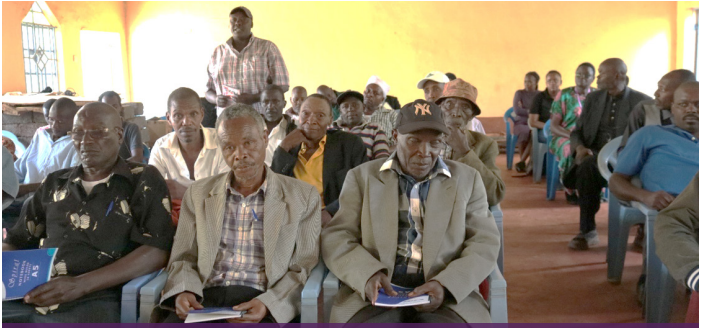
Speaking to residents in Lokichar, the Chairperson set out where the law places them. The land is community land. Under the Constitution, the oil beneath it belongs to the national Government. The Petroleum Act, 2019 determines how the community shares in what is extracted, and she told residents that the community’s 5 percent share remains in law.
She said she was in Parliament when the Act was passed and was among those who fought for its local content provisions. She acknowledged friction between national and county local content frameworks.
She called for young people to benefit through employment and local content, and asked that a well-built training centre in the area, which has yet to be put into operation, be opened to create opportunities for local youth.
“Those are rights, and we are after rights,” she said. “We are providing your voice. That is why we are here.”
THE MANDATE
The visit forms part of the Commission’s mandate to monitor whether women, youth, persons with disabilities, older persons and other members of host communities share equitably in the benefits of development,including compensation, employment and essential services. Land acquisition and compensation fall under the mandate of the National Land Commission.
With production approaching, the decisions on land, compensation, water, health and jobs taken in the coming weeks will determine whether the families of Kapese share in Kenya’s oil or carry its costs. The Commission has recorded their testimony and will follow it through with the duty bearers responsible.
Benefit that bypasses women and young people will deepen the very inequality this project should help to close.” Hon. Rehema Jaldesa, Chairperson, National Gender and Equality Commission