More than 70 political parties have endorsed a declaration committing them to strengthen the participation of special interest groups in party leadership and nominations ahead of Kenya’s 2027 General Election.
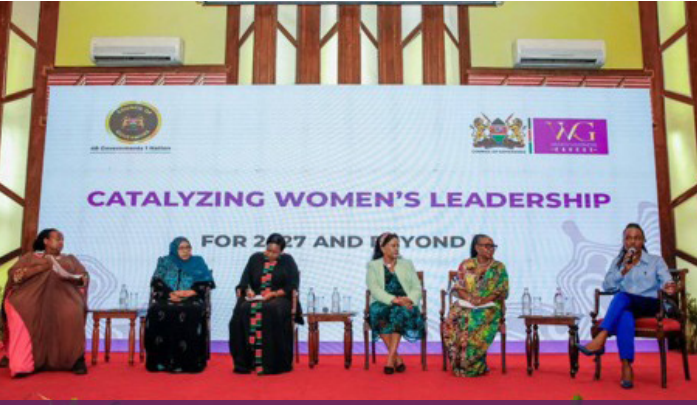
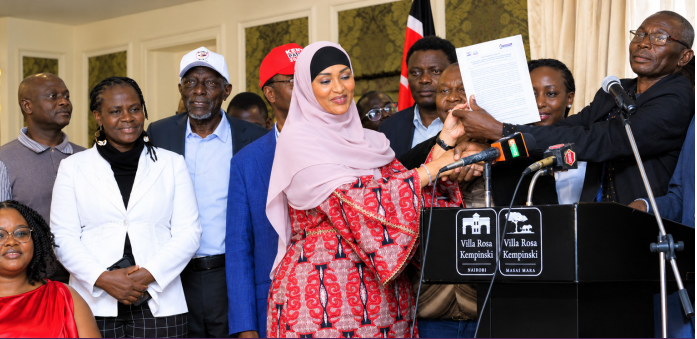
The parties endorsed the Declaration on the Inclusion of Special Interest Groups in Political Parties and the 2027 General Election at a high-level policy forum convened by the National Gender and Equality Commission (NGEC) and the Office of the Registrar of Political Parties (ORPP), with support from UN Women, at Villa Rosa Kempinski in Nairobi on 14 October 2026.
The declaration covers women, youth, persons with disabilities, older members of society, and minority and marginalised communities. It gives NGEC and the ORPP a basis for follow-up before the General Election scheduled for 10 August 2027.
WHERE EXCLUSION BEGINS
Opening the forum, NGEC Chairperson Hon. Rehema Dida Jaldesa said meaningful political participation must begin within political parties, where decisions on leadership, candidate selection and representation are made.
She cited Article 91 of the Constitution, which requires political parties to respect the right of minorities and marginalised groups to participate in the political process and to promote gender equality and equity. She also pointed to the legal requirements on gender representation in party governing bodies and the link between inclusive governance and eligibility for the Political Parties Fund under the Political Parties Act.
Women remain under-represented in elective office. In the 2022 General Election, seven women were elected governors, up from three in 2017. Women won 29 of the 290 constituency seats in the National Assembly, three of the 47 elected Senate seats and 115 of the 1,450 ward representative positions.
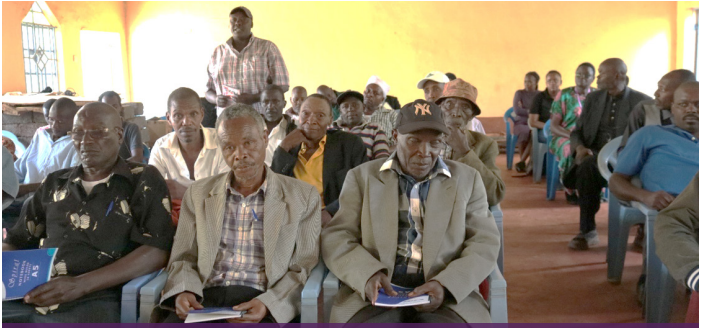
Aspirants at the Commission’s recent county dialogues in Meru, Kisii and Nyamira reported unaffordable nomination fees, shifting rules, unexplained direct nominations, delays in resolving disputes and intimidation both online and offline.
WHAT PARTIES PLEDGED
Under the declaration, parties committed to adopt and file nomination rules with the ORPP within the applicable timelines, prepare party lists that comply with constitutional requirements on gender and representation, and review fees and procedures that create barriers for aspirants.
They undertook to strengthen the representation of special interest groups in party organs and to act against violence, intimidation and harassment, including technology-facilitated abuse targeting women candidates, holding members and supporters accountable under the Electoral Code of Conduct.
Parties also committed to cooperate with the joint NGEC and ORPP audit of political parties, provide the information it requires and review progress with the two institutions in February 2027.
The Commission acknowledged parties that had reduced or waived nomination fees for special interest groups and urged others to do the same. It called for nomination rules and timelines to be published early and applied consistently.
On nomination disputes, the Chairperson referred to proposals in the Elections (Amendment) Bill, 2024 and said any reform must be guided by constitutional requirements, legal certainty and timely access to justice. Aspirants unfairly displaced during nominations, she said, must have affordable, accessible and timely remedies.
She urged Parliament to give full consideration to proposals for alternating women and men on party lists, called on parties to explain direct or consensus nominations, and cautioned against the use of young people to perpetrate electoral violence.
The declaration invites parties absent from the forum to endorse it and calls on special interest groups to register as party members, seek nominations and contest elective positions. The February 2027 review will show whether parties have turned the commitments into practice.