
The National Gender and Equality Commission (NGEC) has proposed that the Kenya National Qualifications Authority publish accessible procedures to recognise skills acquired outside formal schooling, including by women returning after care responsibilities and older artisans.
Its memorandum on the Kenya National Qualifications Framework (Amendment) Bill, 2026 proposes a new section 18F on recognition of prior learning and credit transfer. The procedures would assess demonstrable competencies acquired through formal, non-formal or informal learning, including community and indigenous knowledge, with published standards, evidence requirements, determination periods, reasonable accommodation and an accessible review procedure.
WHO BENEFITS
The memorandum notes that the principal Act already recognises competencies, mobility and flexible access, and that clear implementation duties would benefit older artisans, women returning after care responsibilities, persons with disabilities, and marginalised communities whose skills may not be reflected in formal certificates.
It sets a firm limit. Recognition would preserve the essential competencies of a qualification and would not authorise child labour or displace a child’s right to free and compulsory basic education.
ACCESS AND AFFORDABILITY
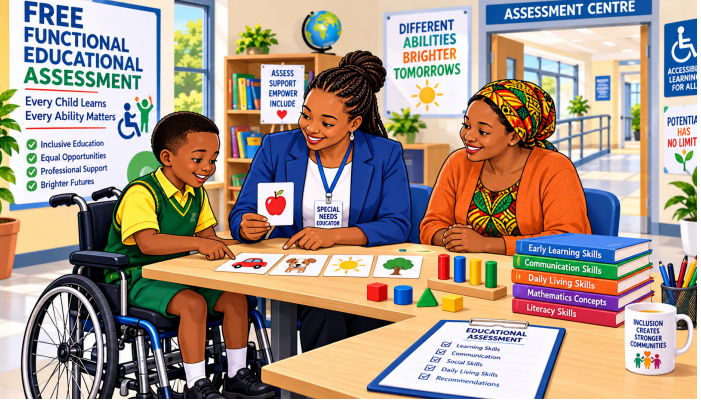
The Commission proposes accessible information, assisted offline services and reasonable accommodation in assessment, recognition and verification, with no additional fee for accommodation. Fees and service standards would be published in accessible formats, and regulations would provide full or partial waivers based on financial need and on costs arising from disability or geographical disadvantage.
"Digital-only access, travel costs and fees can exclude persons with disabilities, older applicants, low-income women and remote communities.” NGEC memorandum on the Kenya National Qualifications Framework (Amendment) Bill, 2026
PROTECTING LEARNERS IN TRANSITION
The Bill introduces registration of qualification-awarding institutions. The Commission proposes that existing institutions have twelve months to apply for registration and may continue awarding qualifications meanwhile, that qualifications lawfully awarded before commencement remain valid, and that learners at a refused institution be assisted to complete or transfer, with fees and records protected.
The Authority would decide registration applications within ninety days with written reasons, subject to review within thirty days. Before developing or reviewing the framework, it would consult representatives of women, persons with disabilities, minorities and marginalised communities, older members of society and youth.
Within twelve months, the Authority would publish an implementation plan with targets and resources for accessible assessment and outreach to underserved areas, and report annually on access, recognition and remedies, disaggregated by sex, age, disability and location.
The Commission welcomes the binding national framework, the registration of institutions, the national qualifications database and the application of data protection and access-to-information law.