Violence has no place in a democracy, and the arrangements that prevent it are made long before voters reach the ballot box.
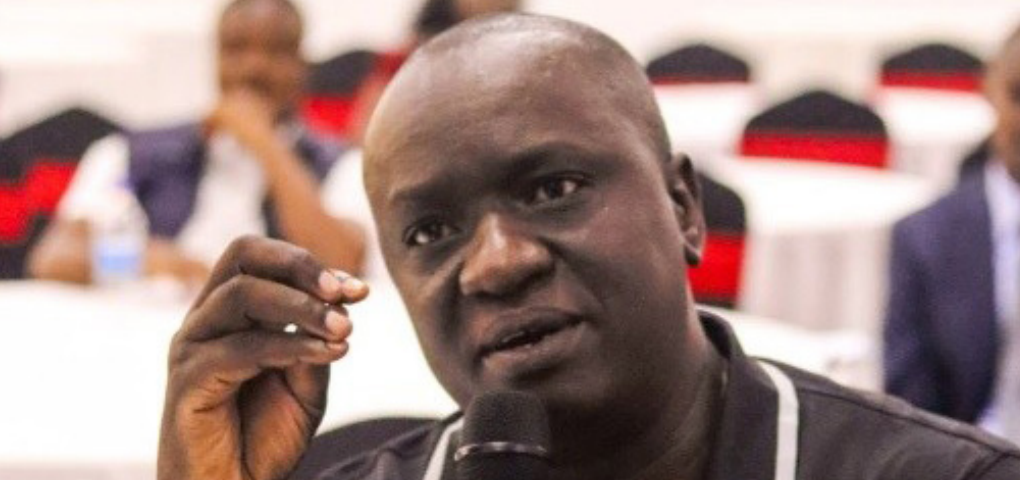
The Commission’s Kisumu Regional Office joined justice and security institutions, civil society, social justice actors and the media at a stakeholder forum convened by the Law Society of Kenya, Western Kenya Chapter, with support from the Open Society for East Africa, to examine the growing risk of election-related violence in the region.
The forum brought together the National Gender and Equality Commission, the National Police Service, the Office of the Director of Public Prosecutions, the Independent Policing Oversight Authority, the Law Society of Kenya, civil society organisations, social justice movements and the media. Stakeholders raised concern over the emergence of organised groups allegedly mobilised around political interests, and examined recent incidents in Kisumu and Homa Bay in which political activities were disrupted, citizens injured, property destroyed and lives lost.
The Commission’s contribution was directed at what the incident register does not capture. Women, youth, persons with disabilities, minorities and marginalised communities face heightened barriers to political participation once fear, intimidation and violence enter the electoral space. For a woman or a person with a disability seeking office, an unsafe environment discourages attendance at rallies, limits engagement with voters and with party structures, restricts access to campaign spaces, and narrows the practical exercise of a constitutional right.
That makes this an equality question as much as an electoral one. Article 38 of the Constitution guarantees every citizen the right to make political choices, to participate in a political party, to campaign, to vote and to stand for public office. Article 81 requires that elections be free from violence, intimidation, improper influence and corruption, and provides for the fair representation of persons with disabilities.
Kenya’s own electoral record establishes the cost. The Commission’s analysis of the 2017 General Election found women and youth among the main reported victims of electoral violence, alongside persons with disabilities and minorities. The Commission’s recent engagements in Kisumu have identified political intolerance, election-related violence and technology-facilitated gender-based violence as concerns requiring stronger monitoring, reporting, referral and prevention.
Stakeholders called for stronger accountability, sustained multi-agency coordination, deeper involvement of political parties and the Judiciary, and continued engagement with communities before incidents escalate.
Each of those requirements has an owner and a lead time. Coordination arrangements, referral pathways and early warning mechanisms take months to establish and cannot be assembled in the week a rally is called. The Commission will continue to work with State and non-State actors to protect the rights of all citizens, particularly Special Interest Groups, and to secure an electoral environment in which people participate freely, safely and without discrimination.