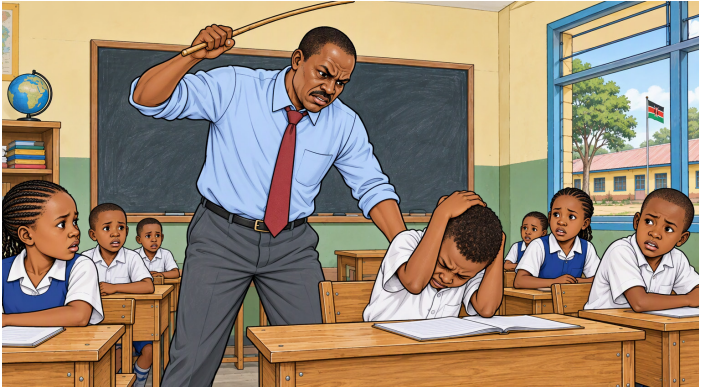
The penalty clause in the Basic Education Bill, 2026 punishes breach of the wrong provision, leaving the ban on corporal punishment and degrading treatment without a sanction, the National Gender and Equality Commission (NGEC) has said. Clause 19(2) prohibits corporal punishment and degrading treatment.
Clause 19(3), which creates the penalty, refers to subsection (1). The Commission proposes substituting “subsection (2)” for “subsection (1)”, a correction it says makes the prohibition enforceable.
FAIR DISCIPLINE
The Commission proposes that disciplinary action be proportionate, consider age, disability and the child’s best interests, and follow an accessible hearing with written reasons.
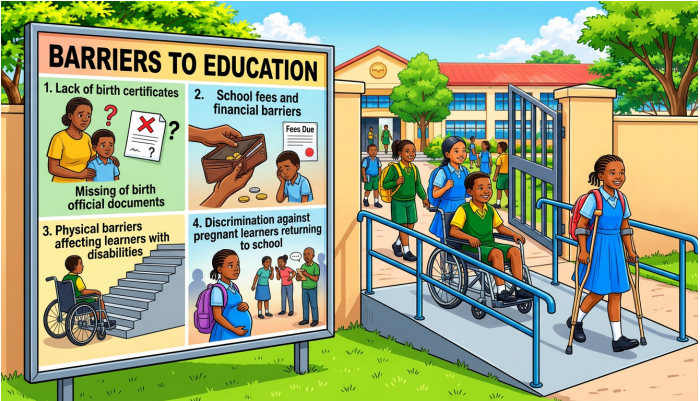
Suspension, expulsion or transfer would include arrangements for continued education. The memorandum also proposes that a failure caused solely by poverty, the lack of an accessible school place or the failure to provide required accommodation should not constitute an offence under the Bill’s compulsory attendance provisions.
"Disability-related behaviour shall first be assessed for unmet support needs.” NGEC memorandum on the Basic Education Bill, 2026
REPORTING ABUSE
The Commission seeks a duty on schools to maintain accessible and confidential procedures for reporting and responding to abuse, sexual harassment, bullying and discrimination, to protect complainants from retaliation and to refer suspected offences promptly to competent authorities. It says such a duty protects children, girls and learners with disabilities in particular. The memorandum cites Articles 27, 29, 47 and 53 of the Constitution on dignity, fair procedure and child protection.
WHAT THE EVIDENCE SHOWS
The Commission’s published evidence underlines the stakes. The Teachers of Kenya audit, conducted with the Teachers Service Commission, records that the TSC upheld 421 cases of sexual offences against learners involving teachers between the 2021/22 and 2023/24 financial years. The Commission’s 2025 study of schools in 19 marginalised counties found that 23.9 per cent of surveyed schools reported learners experiencing some form of violence.
The Commission Secretary/CEO, Dr Purity Ngina, sits on the Multi-Stakeholder Task Team on Unrest in Schools, whose terms of reference include school safety, safeguarding, bullying and gender-based violence.