With the constitutional deadline for legislation on the representation of special interest groups in Parliament long past, the Commission has brought litigation partners together to chart a coordinated path to court.
The National Gender and Equality Commission has convened stakeholders to plan proposed strategic litigation to enforce Article 100 of the Constitution, which provides for the representation of special interest groups in Parliament.
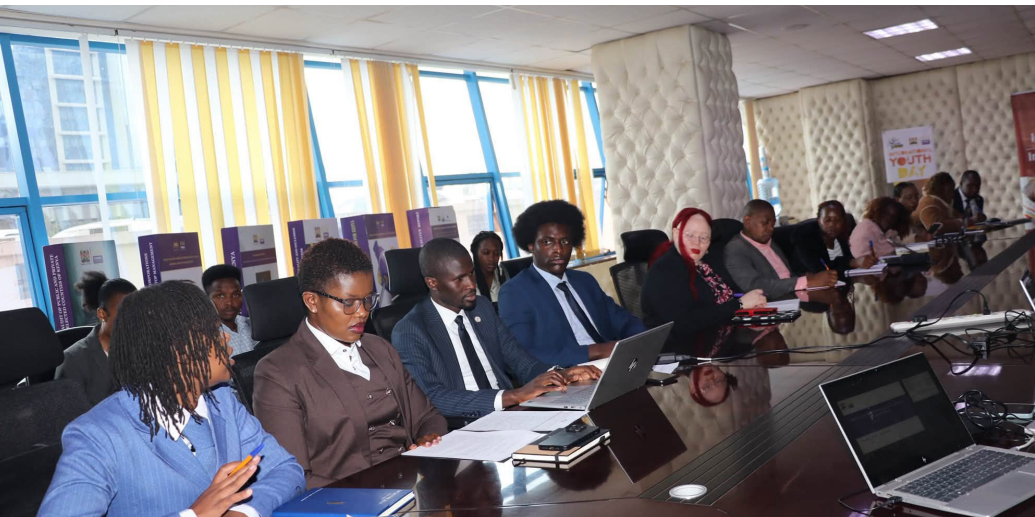
The Article 100 Stakeholder Strategic Litigation Coordination Meeting brought together key actors to deliberate on a petition that would seek to advance inclusive and equitable representation in Parliament.
AN EXPIRED DEADLINE
Article 100 requires Parliament to enact legislation to promote the representation in Parliament of women, persons with disabilities, youth, ethnic and other minorities, and marginalised communities. The Fifth Schedule to the Constitution set five years from the effective date of the Constitution for this legislation.
That period expired in 2015 without the legislation being enacted. Article 261 of the Constitution provides a remedy where Parliament fails to enact required legislation. Any person may petition the High Court, which may order Parliament and the Attorney-General to enact the legislation within a specified period. If Parliament fails to comply, the Chief Justice is required to advise the President to dissolve Parliament.
The mechanism has been tested before. In 2017, the High Court ordered Parliament to enact legislation on the not more than two-thirds gender principle, and in September 2020 the then Chief Justice advised the President to dissolve Parliament for failing to do so. The proposed litigation seeks to advance the enforcement of Articles 100 and 261 and to strengthen coordinated action towards inclusive and equitable political representation.
BUILDING THE CASE
The deliberations covered the viability of the proposed cause of action, evidence requirements, the identification of petitioners and witnesses, and legal and procedural considerations. Stakeholders also discussed financing and technical support, the filing strategy, and the responsibilities of each litigation partner.
The meeting agreed on concrete next steps, timelines and commitments towards a coordinated, evidence-based and financially realistic litigation pathway. These remain subject to final legal advice and institutional approvals.
The initiative reflects the collective responsibility of stakeholders to advance constitutionalism, equality, inclusion and the meaningful representation of special interest groups in Kenya’s democratic institutions. It comes as the country prepares for the General Election of 10 August 2027, and runs alongside the Commission’s work with the Office of the Registrar of Political Parties on the inclusion of special interest groups in party nominations.
.JPG)