Access to quality education for children and young people with disabilities depends on accessible learning environments, appropriate support services, adequate resources and education systems that accommodate the needs of every learner.
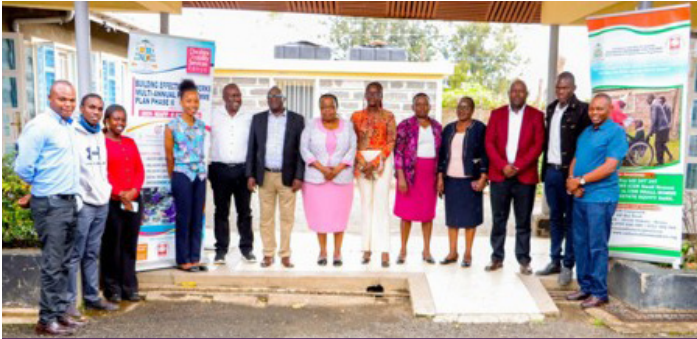
The National Gender and Equality Commission (NGEC), through its Nakuru Regional Office, is engaging education stakeholders to advance these priorities following its participation in the inaugural Special Needs Education Stakeholders Technical Working Group convened by the Catholic Diocese of Nakuru in partnership with Cheshire Disability Services Kenya under the BEN-MAPP 2 programme.
The forum examined practical approaches to expanding access to quality, inclusive and equitable education for children and young people with disabilities. It also provided a platform for strengthening coordination among institutions working to advance their rights and promote their well-being.
The engagement underscores the importance of coordinated action in addressing barriers that prevent learners with disabilities from participating fully in education. These barriers require responses that include accessible facilities, appropriate learning support, assistive devices, adaptive technologies and institutional arrangements that enable learners to participate on an equal basis with others.
Kenya’s Persons with Disabilities Act, 2025, affirms the right to inclusive, quality education on an equal basis with others, supported by appropriate assistance, assistive devices and adaptive technologies. Realising this right requires institutions responsible for education and disability inclusion to translate legal provisions into practical measures that respond to learners’ needs.
For NGEC, this involves promoting compliance with equality and non-discrimination obligations while advocating for education systems that accommodate children with disabilities. Accessible learning environments, reasonable support, adequate resources and accountable institutions are essential to ensuring that disability does not become a barrier to educational participation.
The participation of children with disabilities in decisions affecting their education is equally important. Their experiences and perspectives can help institutions identify gaps in service delivery and develop responses that promote meaningful participation, belonging and educational achievement.
The Technical Working Group provides a platform for stakeholders to strengthen collaboration, identify implementation challenges and coordinate interventions within their respective mandates. Sustained engagement will be necessary to ensure that commitments to inclusive education translate into practical improvements for learners and their families.
Through its regional offices and engagement with relevant stakeholders, NGEC will continue to promote equality, accessibility and non-discrimination while supporting efforts to strengthen institutional responses to the needs of special interest groups.
Ultimately, progress in inclusive education must be measured by whether every child can access learning, participate meaningfully and develop their potential without facing barriers arising from disability. Achieving this requires coordinated action, appropriate support and sustained accountability from the institutions responsible for protecting every learner’s right to education.