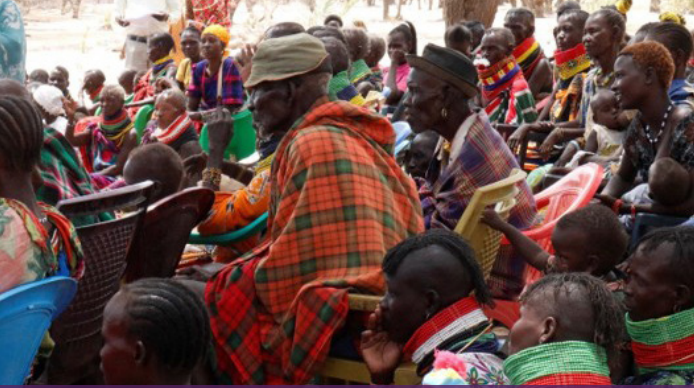
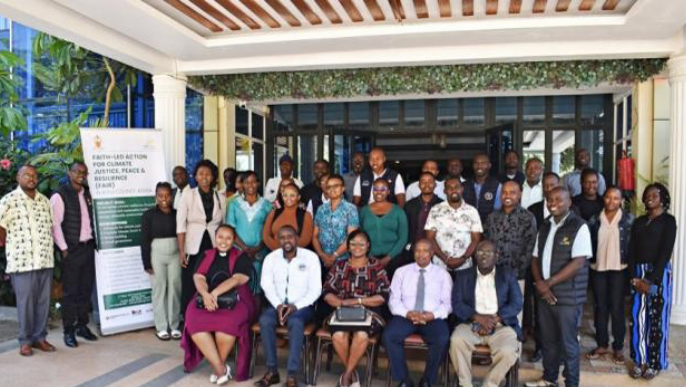
A stakeholder engagement in Kitui County has examined how growing pressure on water, land, pasture and other resources deepens existing inequalities and contributes to tension among communities.
The engagement was convened by FAIR Kenya and joined by the Kitui Regional Office of the National Gender and Equality Commission (NGEC). It addressed climate action, community resilience and the peaceful governance of natural resources. The Commission’s position is that the effects of climate change are felt most severely by communities already experiencing economic hardship, discrimination and limited access to essential services and decision-making platforms.
WHO CARRIES THE RISK
Women, young people, persons with disabilities, minorities and marginalised communities face greater exposure to climate-related risks, while their experiences, knowledge and proposed solutions are not always reflected in climate policies and programmes.
The Commission said inclusion must go beyond representation and give these groups genuine opportunities to influence decisions, access climate resources and take part in implementing local solutions.
RESOURCE GOVERNANCE
Participants reflected on the relationship between climate change and the governance of natural resources, and on transparent, participatory and peaceful resource-governance mechanisms as a means of preventing conflict, promoting fairness and ensuring that available resources benefit everyone.
The engagement considered the barriers that prevent Special Interest Groups from participating fully in climate planning, financing, adaptation and disaster preparedness.
The Commission said the leadership and lived experience of those groups are necessary to solutions that are practical, responsive and sustainable, and that it will continue to press for their recognition as partners and leaders in climate action.