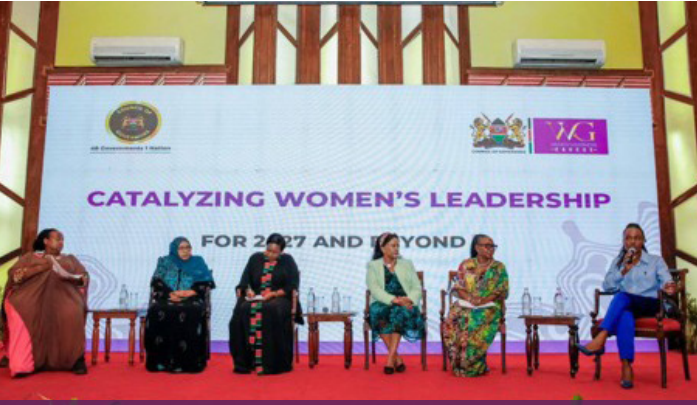
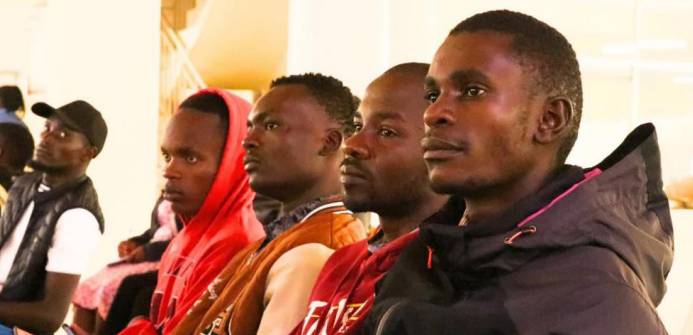
Young people in Kisii County called for lower and more equitable nomination fees and transparent nomination processes during a dialogue convened by the National Gender and Equality Commission (NGEC) on Thursday.
The session examined the constraints on youth political participation, the opportunities available and the measures required ahead of the 2027 General Election.
Participants named financial constraints, high nomination fees, unemployment and economic dependence as the principal obstacles facing young people who wish to contest. They said the cost of campaigns places leadership beyond the reach of many capable young people and creates an environment in which financial influence can outweigh ideas, competence and commitment to public service.
PARTY PRACTICE
Political party practice was identified as a further barrier. Young people raised discrimination within parties, limited representation in party leadership and decision-making structures, exclusion from nomination processes, and the preference given to established or well-connected candidates.
Participants said clanism, ageism, gender discrimination and patronage restrict opportunities for young people, particularly young women, persons with disabilities and those from marginalised communities.
Electoral violence, political intimidation and the manipulation of young people by political actors were named as major hindrances to participation. Participants said young people should never be recruited as agents of violence or treated as expendable instruments during campaigns, and should instead be supported as champions of peaceful elections and issue-based leadership.
Misinformation, disinformation and weak digital literacy were identified as growing threats. Participants said social media gives young people a platform for political engagement, mobilisation and civic education, and can also be used to spread propaganda, incite communities and manipulate public opinion.
Other barriers raised included inadequate civic and voter education, geographical and infrastructural challenges, limited access to reliable electoral information, weak implementation of legal protections, cultural and social norms, and inadequate accessibility for persons with disabilities. Difficulties in obtaining national identification cards were raised because an identity document is required for voter registration and for access to many public services
WHAT WAS ASKED
Participants proposed reforms within political parties to guarantee youth representation in leadership and decision-making structures. They called for political mentorship, sustained civic education, leadership training, stronger digital literacy programmes and firmer enforcement of laws and policies that protect equal political participation.
Economic empowerment was raised as equally important. Participants said access to employment, entrepreneurship, skills development and sustainable livelihoods places young people in a stronger position to make independent political choices and reduces their vulnerability to manipulation through money, misinformation or political patronage.
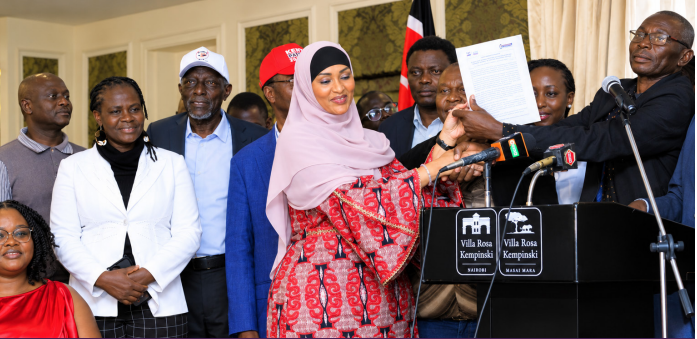
The session closed with the adoption of the youth instrument of the declaration by Special Interest Groups on inclusive electoral preparations and participation ahead of the 2027 General Election. Signatories commit to acquire national identity cards and register as voters, to join political parties of their choice, and to demand full inclusion in party governance and management.
In the 2022 General Election women won one of the 56 non-reserved elective positions in Kisii County. Nationally, women were 1,962 of the 16,100 candidates cleared to contest, or 12 per cent.