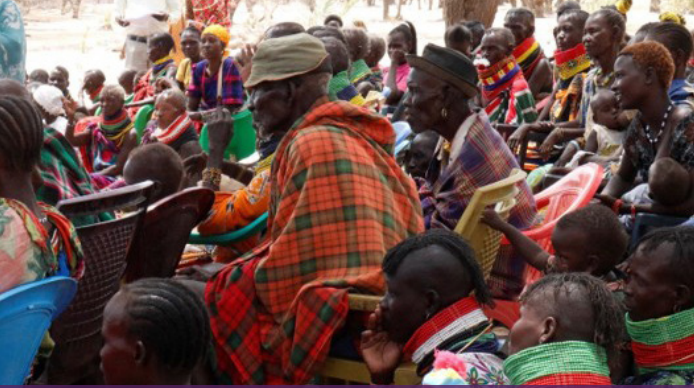
Rangelands support millions of pastoralists and contribute to food systems, biodiversity, livelihoods and climate resilience. Pastoralist communities nonetheless continue to face insecure land tenure, restricted access to finance and pressure on the traditional mobility systems on which their production depends.
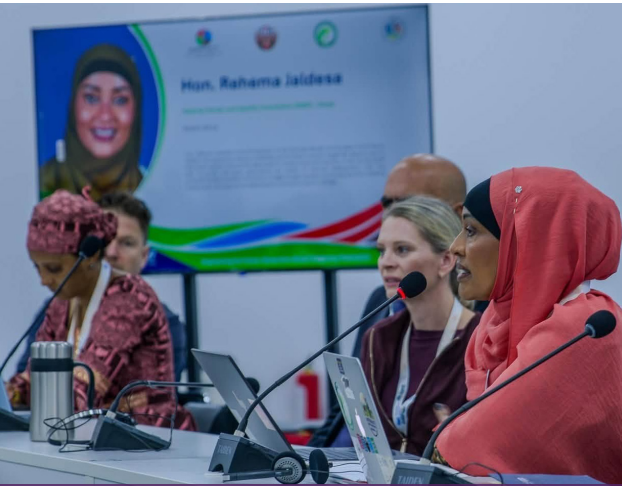
Speaking at a UNCCD COP17 side event in Ulaanbaatar, Mongolia, themed Shepherding the Future: Voices from African Indigenous Pastoralists, the Commission’s Chairperson, Hon. Rehema Jaldesa, set out three requirements: stronger financing, secure land rights and protected mobility corridors. She called for the meaningful participation of Indigenous pastoralists in decisions on land use and development, and for the deliberate inclusion of women, youth, older persons and persons with disabilities within those communities. That second point carries weight. Where a community is itself marginalised, the groups marginalised within it are easily overlooked in the arrangements made on its behalf.
The International Year of Rangelands and Pastoralists Conference 2026 has drawn international attention to rangeland systems. The Commission’s position is that the attention must now convert into implementation. Pastoralists are not beneficiaries of development. They are knowledge holders, custodians of land, and necessary partners in building resilient rangelands.