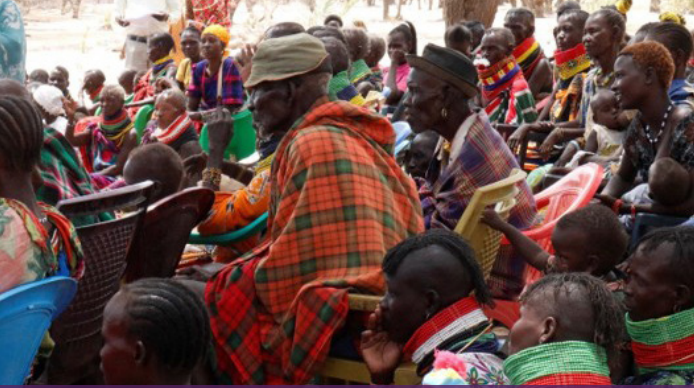
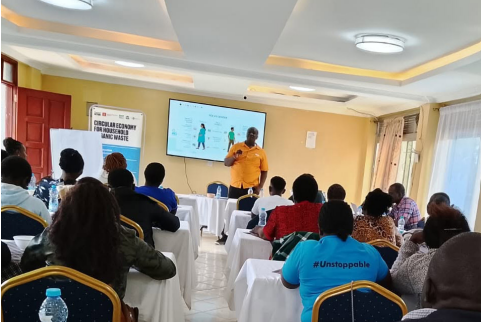
A three-day training in Kakamega has brought together waste-picker associations, women and youth groups, aggregators, site managers, project partners and community representatives to examine equality and inclusion in Kenya’s circular economy.
The training, convened by Practical Action in collaboration with the Commission through the Kisumu Regional Office from 5 to 7 August 2026, focused on Gender Equality and Disability and Social Inclusion (GEDSI) in circular economy and waste management.
Participants highlighted challenges faced by informal waste workers, particularly women, including inadequate protective equipment, harassment, gender-based violence and unpaid care responsibilities.
The training produced a 12-point action plan covering inclusive workplace policies, GBV prevention, menstrual hygiene, safeguarding, accessibility, emergency systems, training and inclusive recruitment and leadership.
Participants also identified the need to incorporate GEDSI criteria into county waste tenders and by-laws and improve collection of sex-, age- and disability-disaggregated data.
The engagement demonstrates that an inclusive circular economy must consider not only waste and environmental outcomes, but also the rights, safety and participation of the people who sustain the system.