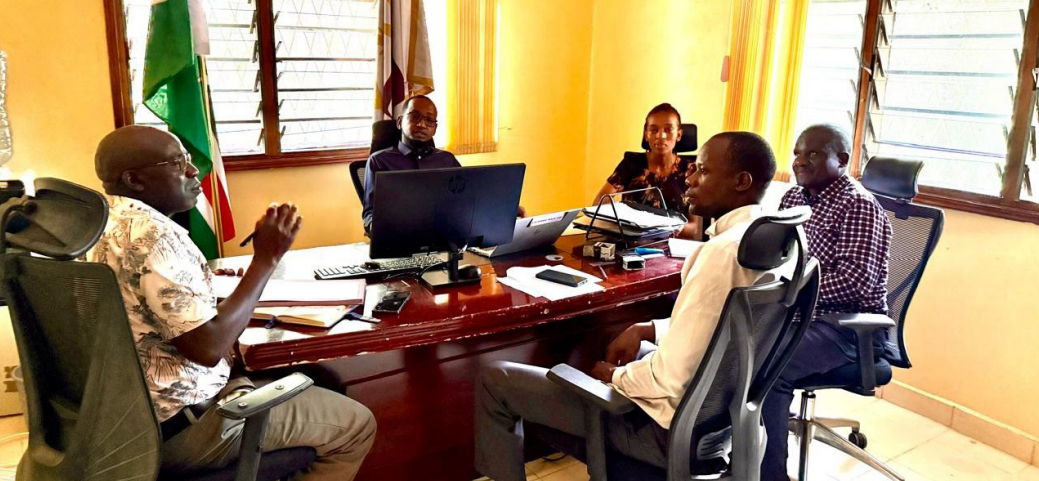
Adelegation from East Africa Engineering Consultants, the firm conducting the Environmental and Social Impact Assessment (ESIA) for the Horn of Africa Gateway Development Project (HoAGDP) road corridor, held talks with the Commission at its Garissa Regional Office on how the project will address gender equality, social inclusion, community participation and the protection of vulnerable groups.
Road corridors decide who moves. The HoAGDP alignment passes through Garissa and the wider frontier region served by the Frontier Counties Development Council, where the distance to a health facility, a school, a market or a court already shapes what a household can and cannot do. Whether the corridor narrows that distance for everyone, or only for those already able to travel, turns on decisions taken at assessment stage on land, compensation, labour, access and safety. Once construction begins, corrections cost considerably more and are seldom made.
The Commission’s position is that inclusion in public investment is a legal obligation rather than a matter of goodwill. Article 27 of the Constitution guarantees equality and freedom from discrimination, and the National Gender and Equality Commission Act, 2011 gives the Commission the mandate to monitor how public institutions, and the contractors acting on their behalf, give effect to that guarantee.
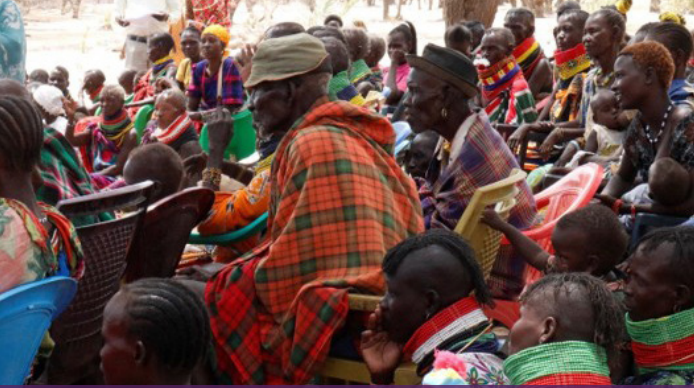
Discussion centred on meaningful community participation. Attendance registers are a weak measure of it. Participation is tested by whether affected residents can take part on equal terms, which requires information in accessible formats and local languages, venues that persons with disabilities and older persons can reach, sitting times that account for women’s care and livelihood responsibilities, and a documented record of how the views collected changed the design.
Social assessment of a project of this scale examines risks that fall unevenly. Among them are the effect of land acquisition on women whose interest in family land is undocumented, safety and gender-based violence risks associated with labour influx and construction camps, disruption of access routes used by pastoralist households, and the exclusion of persons with disabilities both from consultation and from the finished road environment.
The Commission’s interest is in the evidence trail the assessment leaves behind. The measure of the ESIA will be whether its final report can demonstrate how the views of women, persons with disabilities, older persons, young people and minority communities altered the project, rather than confirming that those groups were present when it was explained to them.
The Commission maintains a regional presence in the frontier counties for this reason. Inclusion in infrastructure is decided in technical rooms, at the stage when documents are still drafts, and an institution that arrives after commissioning arrives to comment rather than to shape.