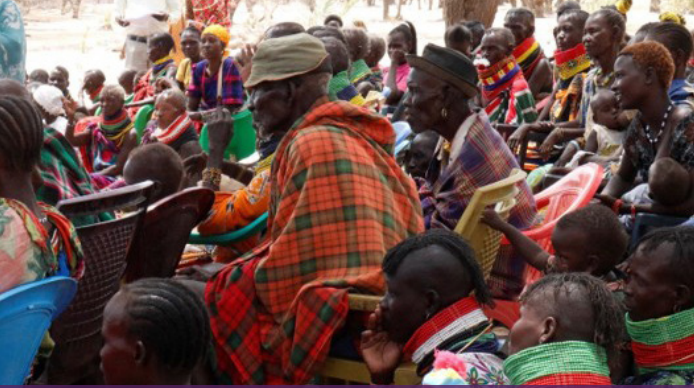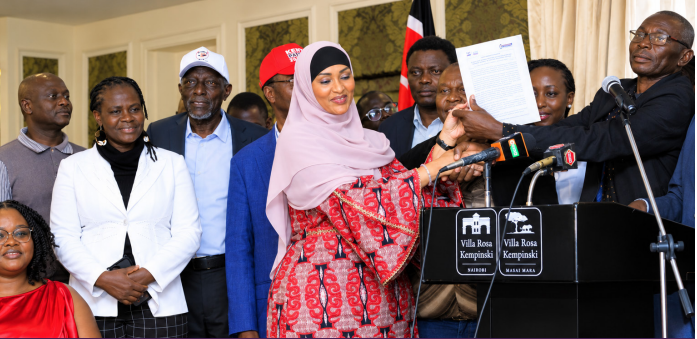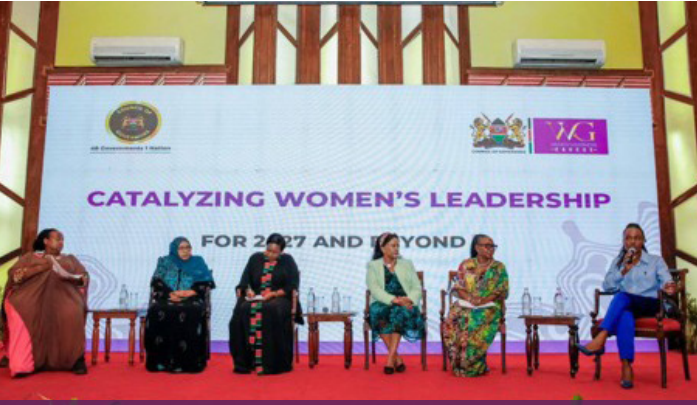
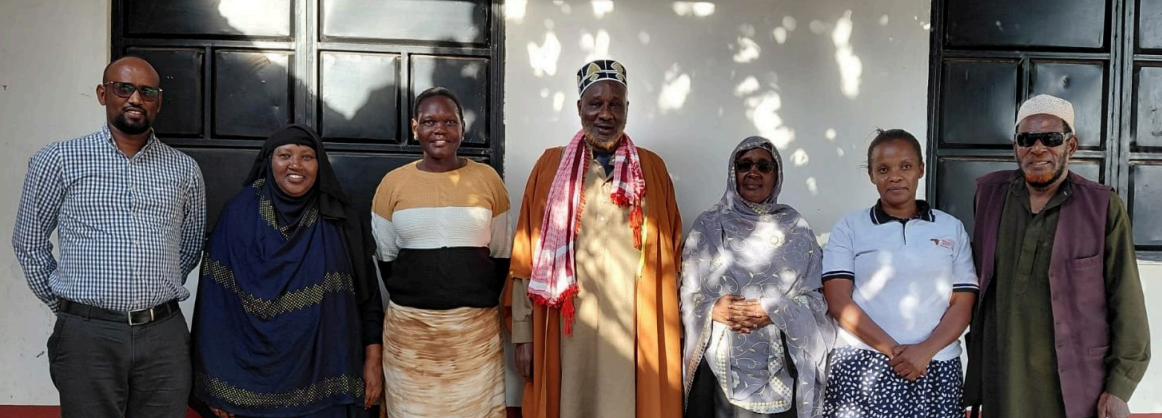
Courtesy visits with Assistant County Commissioner Stephen Muye and the Borana Council of Elders sought to strengthen collaboration around inclusive decision-making and women's constitutional right to participate fully in governance.
The discussions acknowledged that traditional leadership continues to play an important role in community governance across northern Kenya. Promoting women's leadership is therefore not about replacing cultural institutions.
It is about ensuring that constitutional values of equality, inclusion and participation are reflected within those institutions. Inclusive governance becomes stronger when cultural leadership and constitutional principles reinforce one another rather than compete. Perhaps no previous election has entered the campaign period under the influence of digital technologies as powerful as those now available.
Social media has expanded civic engagement. It has also accelerated misinformation. False election results can circulate within minutes. Manipulated videos can inflame tensions before verification occurs. Artificial intelligence now enables the creation of convincing fabricated content capable of misleading millions.
Women candidates remain particularly vulnerable to coordinated digital harassment. Technology-facilitated Gender-Based Violence—including cyberstalking, impersonation, deepfake pornography, hate campaigns and coordinated trolling—has emerged as one of the fastest-growing barriers to women's political participation globally. Strengthening women's participation within these structures contributes to more representative governance while reinforcing social cohesion.
The media also carries significant responsibility. Responsible journalism can reduce tensions through accurate reporting, verification of information and balanced coverage that avoids inflaming divisions. Equally, digital platforms, political parties and citizens must actively challenge misinformation and disinformation before false narratives escalate into violence. Electoral integrity increasingly depends not only on secure polling stations but also on credible information environments.
Political leaders bear perhaps the greatest responsibility. Campaign rhetoric that exploits ethnic divisions, spreads false information or incites hostility undermines democratic legitimacy regardless of electoral outcomes. Leadership committed to peaceful competition strengthens public confidence and reinforces constitutional governance. Kenya's democratic progress should not be measured by its capacity to recover after violence has occurred. It should be measured by its ability to prevent violence altogether. Protecting elections means protecting every citizen's constitutional right to participate freely, safely and equally. As preparations for the 2027 General Election continue, strengthening inclusive institutions, safeguarding civic space, promoting responsible leadership, countering misinformation, expanding opportunities for youth, protecting women from political violence and ensuring accessible participation for persons with disabilities, older persons and marginalised communities will remain essential to credible elections.
Democracy is strongest when every citizen can engage without fear. Safeguarding that principle is not solely the responsibility of electoral institutions or security agencies. It is a shared national obligation that demands accountability, vigilance and sustained commitment from government, political actors, civil society, communities and citizens alike. The choices made before the 2027 General Election will determine not only how Kenya votes, but how effectively it protects the constitutional values of equality, inclusion, human dignity and peaceful democratic participation for generations to come.