
Kenya is sitting on a demographic goldmine—yet one that increasingly resembles a social time bomb. With nearly 67 per cent of its young people unemployed and another 26 per cent neither in school nor training, the country’s future workforce is trapped in a vicious cycle of exclusion, despair and wasted potential.
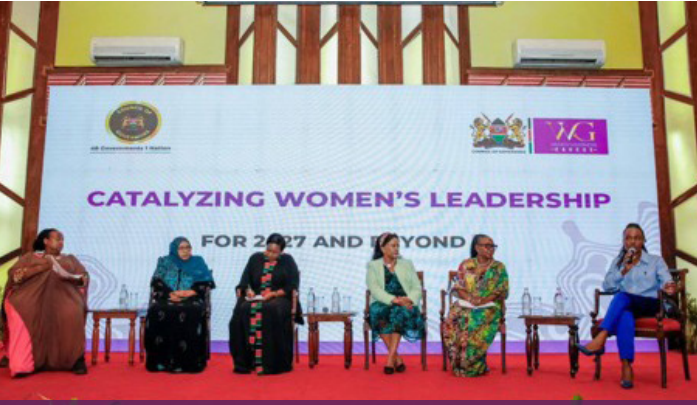
The National Gender and Equality Commission (NGEC) brought this crisis into sharp focus at the Kenya School of Monetary Studies during a Youth Consultative Meeting under the banner “Centering Youth Voices in Shaping the Employment Landscape.” It was more than just another policy dialogue—it was a blunt reckoning with the harsh reality confronting a generation that feels locked out of the promise of dignified work.
Each year, an estimated one million young Kenyans pour into the job market. For many, the excitement of graduation or the relief of completing training programs quickly gives way to frustration. Structural barriers— ranging from nepotism and corruption to gender discrimination and inaccessible systems shut them out before they even get a foot in the door. For those who do find work, it is often in the shadows of the informal economy, stripped of contracts, fair wages, or social protection.
Inside the forum hall, the frustration was palpable. Youth participants spoke of broken pathways from classrooms to careers, of job adverts demanding experience they could not possibly have, and of networks of privilege that suffocate talent. They lamented how merit often counts for little in a system where connections, not competence, determine opportunity.
For many, the indignity is not just about being unemployed—it is about being underemployed. Young people recounted stories of working long hours in unstable jobs for pay that barely covers transport, let alone rent or food. Others spoke of being pushed into “volunteer” roles that promise experience but deliver only exploitation.
The Commission, in partnership with the African Institute for Development Policy (AFIDEP) and CAP-Youth Empowerment Institute (YEI), used the platform to stress that the employment crisis cannot be treated as just another statistic. It is a lived emergency. Officials underscored that young people’s voices must no longer be relegated to footnotes in development blueprints but must shape bold, actionable reforms for dignified and inclusive work.
NGEC warned that if the nation continues to sideline its youth, the social consequences will be dire. A restless, jobless generation is not just an economic liability—it is a ticking time bomb that threatens national cohesion, political stability and even security. The cost of inaction, they argued, will be far greater than the price of systemic reform.
The consultative meeting marked a turning point, not just for those in the room but for a policy discourse that has too often spoken about youth without speaking with them. By amplifying their frustrations and solutions, the Commission sought to bridge the gap between aspiration and reality—transforming lived experiences into policy influence.
For Kenya’s young people, the demand is simple yet urgent: jobs that respect their dignity, reward their effort, and secure their future. For the nation, the challenge is whether it will continue to squander its most vital resource—or finally invest in unlocking its promise.