Expanding opportunities for women and girls in science, technology, engineering and mathematics (STEM) requires more than increasing enrolment in technical courses. It demands coordinated policies, sustained mentorship, inclusive institutions and strategic partnerships that enable women to progress from education into leadership, innovation and employment.
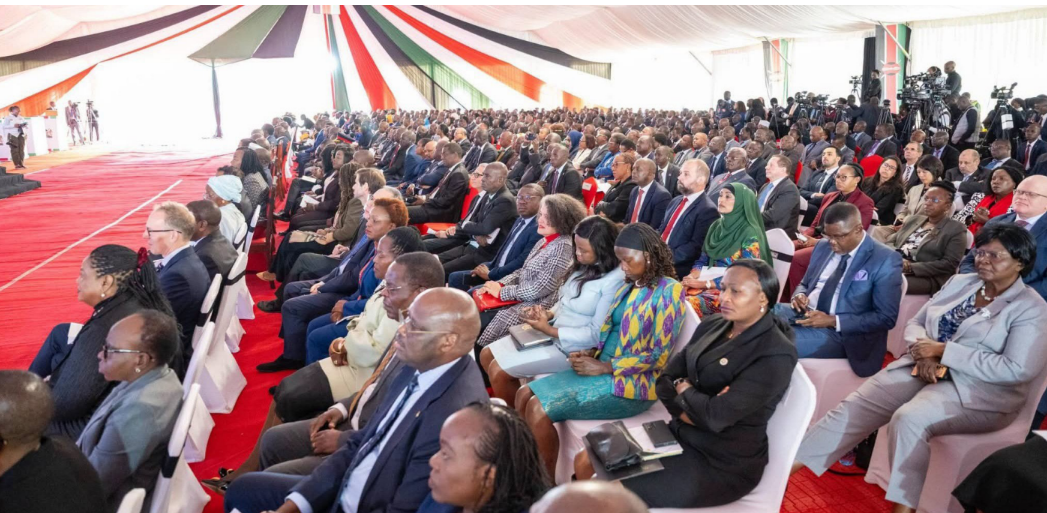
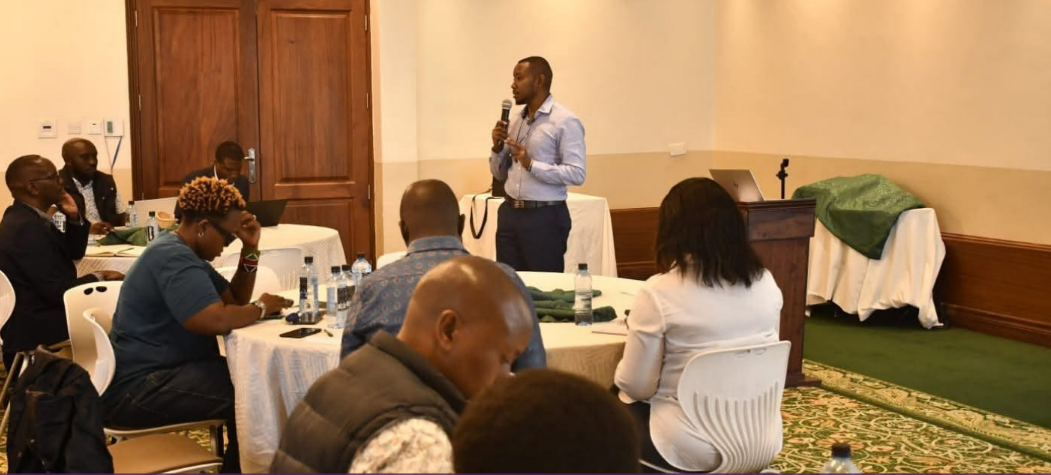
This was the central message during the Women in STEM Forum, hosted by the University of Nairobi in partnership with Africa Forward, where policymakers, students, researchers, industry leaders and development partners convened to examine practical solutions for advancing gender equality in STEM disciplines. The forum formed part of a broader national conversation on strengthening Africa's innovation ecosystem investing in young talent, research and technology-driven development.
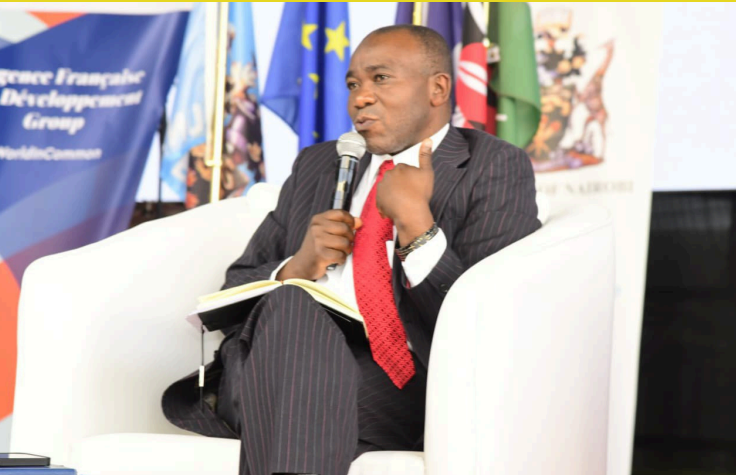
Representing the National Gender and Equality Commission, Director of Programmes and Research, Mr Paul Kuria, joined a panel discussion that examined the structural barriers limiting the participation of women and girls in STEM and the policy interventions required to
address them.
Mr Kuria underscored the importance of creating an enabling environment through inclusive public policies, equitable access to
education and employment opportunities, mentorship programmes and stronger collaboration between government, universities, industry and development partners. He noted that increasing women's participation in STEM is essential to strengthening innovation, enhancing economic competitiveness and supporting Kenya's long-term development agenda.
The discussions reflected growing recognition that although Kenya has made significant progress in expanding access to education,
women remain underrepresented in many STEM professions, particularly in engineering, technology, research and innovation leadership. Stakeholders observed that barriers including
gender stereotypes, limited mentorship opportunities, unequal access to professional networks and workplace biases continue to affect women's progression from education into technical careers. The forum also explored the role of higher learning institutions in nurturing future innovators. Universities were encouraged to strengthen mentorship initiatives, research opportunities and industry partnerships that expose female students to practical experience and career pathways in science and technology.
Recent initiatives by the University of Nairobi, including the launch of the Women in STEM Association and mentorship programmes targeting young girls, reflect growing efforts to encourage greater female participation in scientific fields.
Industry leaders highlighted the importance of creating workplaces that support equal opportunities for recruitment, career advancement and leadership, while development partners emphasised the value of sustained investment in programmes that
equip girls with digital, scientific and technological skills from an early age.
The dialogue further recognised that strengthening women's participation in STEM contributes directly to national development priorities. As Kenya continues investing in digital transformation,
industrialisation, research and innovation, expanding the participation of women in these sectors is increasingly viewed as critical to building a competitive knowledge economy capable of addressing emerging social, environmental and economic challenges.
The engagement reinforced the importance of multi-sector collaboration in addressing persistent gender disparities within STEM
fields.
Sustainable progress, speakers observed, will depend on coordinated action that removes structural barriers, promotes equal opportunities and creates supportive environments where women and girls can excel as researchers, innovators, entrepreneurs and industry leaders.
The Commission continues to advocate for policies and programmes that advance equality of opportunity across all sectors, recognising
that inclusive participation in science, technology, engineering and mathematics strengthens innovation, broadens economic participation and contributes to more equitable and sustainable national development.
The Women in STEM Forum underscored a shared commitment to creating an enabling environment where talent, innovation and
leadership are determined by ability rather than gender.