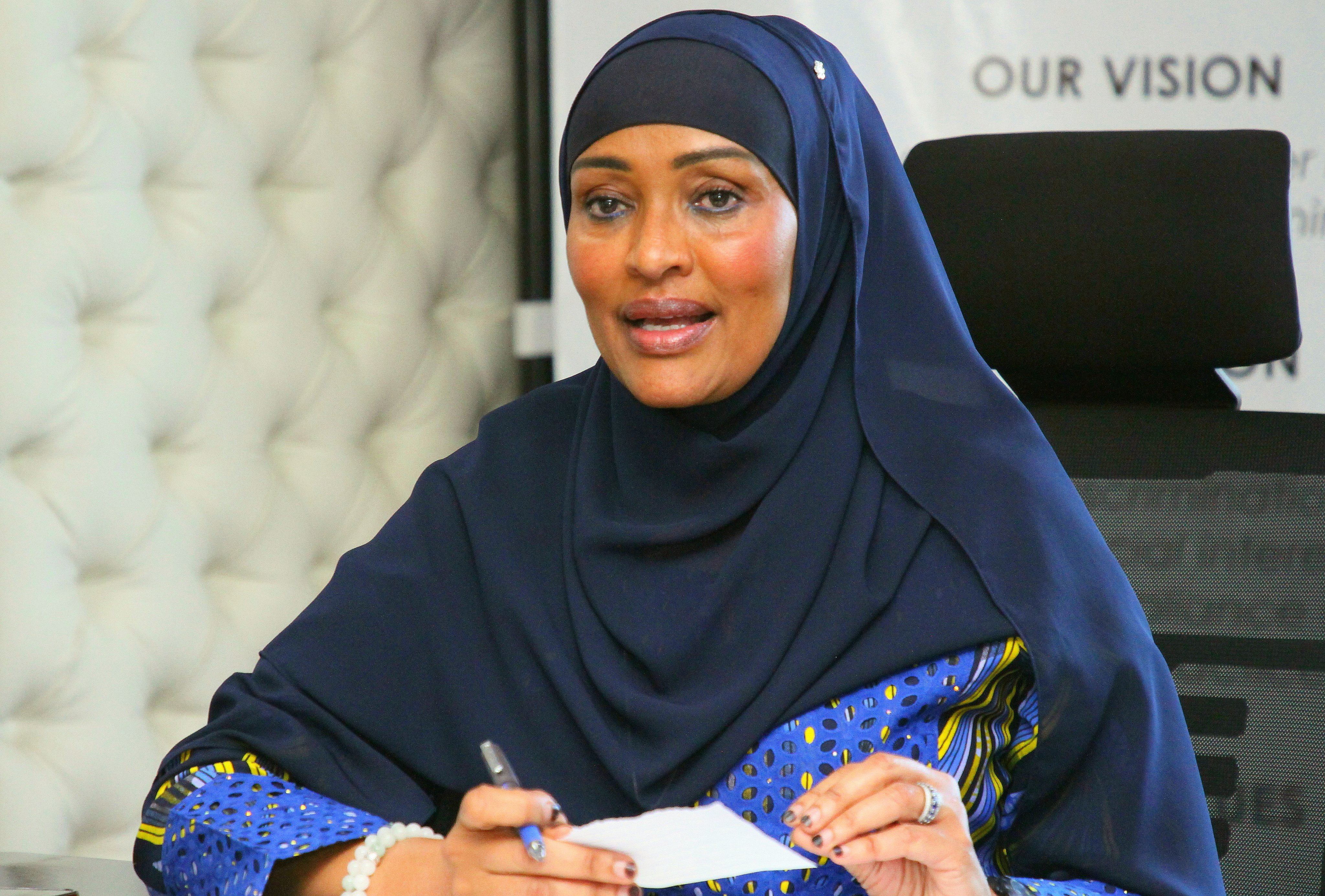
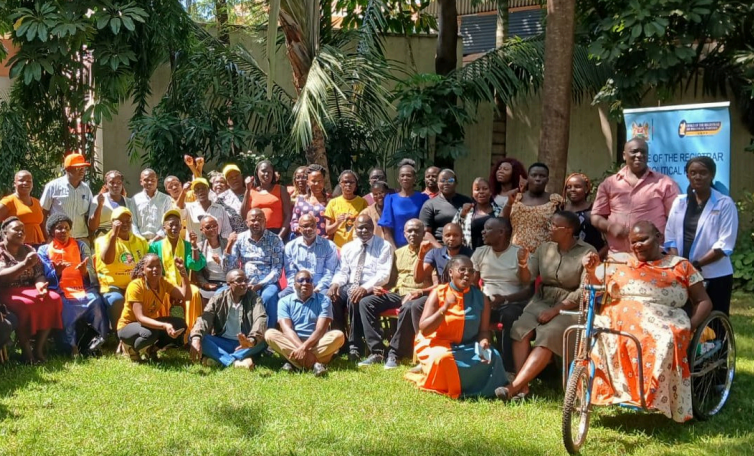
KISUMU, Kenya — Women leaders, aspiring candidates, civil society organizations, and governance stakeholders have called for sustained investment in women's political empowerment ahead of the 2027 General Elections, citing persistent structural barriers that continue to limit women's participation and representation in elective leadership.
The concerns emerged during the Women's Electoral Preparedness Forum held in Kisumu County, where participants examined the progress made toward gender equality in political representation and assessed the challenges that continue to impede the realization of constitutional commitments on inclusion and equal participation in governance.
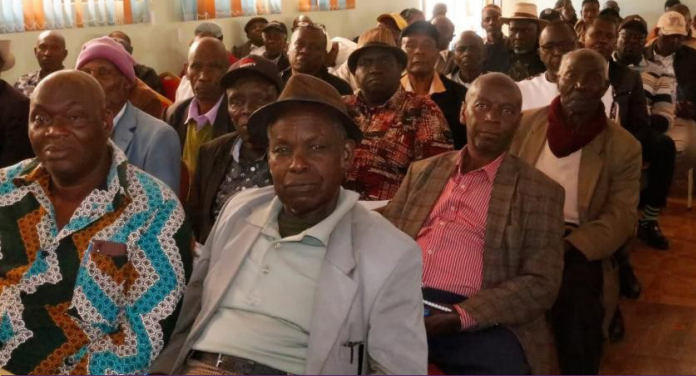
The forum brought together stakeholders from across the political and governance sectors to discuss strategies for strengthening women's preparedness for elective leadership and enhancing their participation in political processes long before the official campaign period begins.
At the centre of the discussions were barriers that have consistently affected women's political participation in Kenya. Participants identified unequal access to campaign financing, gender stereotypes, violence against women in politics, online harassment, technology-facilitated Gender-Based Violence (TFGBV), unpaid care responsibilities, and limited influence within political party leadership structures as some of the major obstacles facing women seeking elective office. Stakeholders noted that these challenges continue to undermine efforts to achieve equitable representation despite constitutional and legislative provisions designed to promote gender equality and inclusion.
The forum also revisited Kenya's ongoing efforts to implement the two-thirds gender principle, a constitutional requirement intended to ensure that no more than two thirds of members of elective or appointive bodies are of the same gender. More than a decade after the promulgation of the Constitution of Kenya 2010, the country continues to face challenges in fully realizing this provision, particularly in elective positions.
Participants emphasized that increasing women's representation requires interventions that extend beyond election cycles. They underscored the importance of continuous leadership development programmes, mentorship initiatives, political networking opportunities, digital literacy and safety training, strategic communication skills, resource mobilization, and active participation within political party structures. The discussions further highlighted the growing impact of digital platforms on political engagement. While technology has expanded opportunities for political participation and voter outreach, participants noted that online abuse and technology-facilitated violence have emerged as significant threats that disproportionately affect women leaders and aspiring candidates.
According to governance and gender experts at the forum, creating a supportive political environment requires coordinated efforts by government institutions, political parties, civil society organizations, development partners, and communities. They observed that addressing barriers to women's political participation is essential for strengthening democratic governance and ensuring that leadership structures reflect the diversity of Kenya's population. The National Gender and Equality Commission committed to continue supporting efforts aimed at strengthening inclusive electoral processes, enhancing accountability on gender equality obligations, and monitoring progress toward the realization of equitable political representation across all levels of governance.
The engagement also underscored the role of institutions mandated to promote equality and freedom from discrimination in supporting inclusive electoral processes and monitoring progress toward gender-responsive governance. As preparations for the 2027 General Elections gather momentum, stakeholders at the Kisumu forum called for sustained action to dismantle barriers that limit women's access to leadership opportunities.
They urged policymakers, political parties, and electoral stakeholders to strengthen mechanisms that enable women to participate effectively, compete fairly, and contribute meaningfully to decision-making processes. The outcomes of the forum reflect a broader national conversation on inclusive governance and the need to translate constitutional guarantees on equality into measurable gains in political representation.