The National Gender and Equality Commission (NGEC) joins the global community in commemorating World Elder Abuse Awareness Day (WEAAD) under the theme “Beyond Awareness: Making Elder Abuse Prevention Work.” This year’s commemoration calls for a bold and urgent shift, moving beyond recognizing the problem to implementing concrete, coordinated, and sustained actions that safeguard the rights, dignity, security, and well-being of older persons in Kenya.
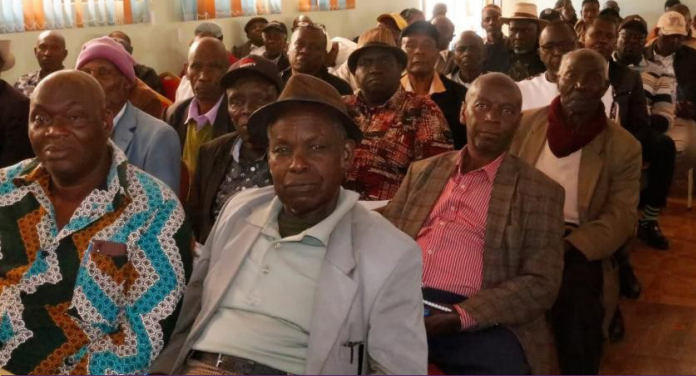
The World Health Organization (WHO) has estimated that, globally, there are approximately 1.1 billion people aged 60 years or more. This estimate is projected to reach 1.4 billion by 2030, reflecting the rapid pace of global population ageing. In Kenya, the 2019 Kenya
Population and Housing Census indicated that approximately 2.74 million people were aged 65 years or more, accounting for 3.9% of the total population. This number is expected to rise to about 3.6 million by 2030 and to over 10% of Kenya’s population by 2050.
Elder abuse remains a pervasive yet largely masked violation of human rights. It manifests in various forms, including physical, emotional and psychological abuse, financial exploitation, sexual abuse, neglect, and abandonment. These challenges are intensified by rapid urbanization, weakening traditional family structures, migration, and socio-economic pressures.
A major underlying factor is the heavy burden of unpaid care work, which disproportionately falls on women and girls. This includes time-intensive tasks such as assisting older persons with feeding, hygiene, medication adherence, household chores, and emotional support.
Without adequate support, caregivers suffer stress, burnout and financial strain that contribute to neglect or mistreatment of those receiving care.
Kenya has made notable progress in advancing the rights of older persons. The Constitution of Kenya 2010 explicitly guarantees older persons the right to dignity, respect, social security, non-discrimination, participation, and protection from abuse. These rights are further supported by the National Policy on Older Persons and Ageing (2014), the Kenya National Care Policy (2025), which recognizes unpaid care work, including eldercare, as a vital economic activity under the International Labour Organization’s framework for decent care work (Recognize, Reduce, Redistribute, Reward, and Represent), and the Kenya National Social Protection Policy (2023).
The Social Protection Policy provides a comprehensive framework for income security, social assistance, and health protection for older persons through programs such as the Senior Citizens’ cash transfers Programme-Inua Jamii, integration with social health insurance, and
broader life-cycle support to reduce vulnerability and promote dignity. Ongoing efforts to enact the Older Persons Bill (2024) seek to further strengthen these safeguards.
Despite the legal and policy gains, elder abuse is significantly underreported due to stigma, fear of retaliation, dependency on abusers, and limited access to justice. Older persons in Kenya face multifaceted challenges, including poverty, limited access to quality healthcare and social protection, social isolation, stigmatization (such as witchcraft based accusations), property grabbing, and weak family and community care support systems. The lack of adequate respite care, caregiver support, and gender-responsive services further strains unpaid caregivers, often leading to intergenerational tension, abandonment, and heightened risks of abuse.
As we commemorate World Elder Abuse Awareness Day, the National Gender and Equality Commission reiterates its call for the full and accelerated implementation of the National Policy on Older Persons and Ageing, the Kenya National Care Policy, the Kenya National
Social Protection Policy, speedy enactment and operationalization of the Older Persons Bill, and stronger multi-stakeholder coordination on programs directed to older persons. To translate awareness into action, the Commission recommends the following specific actions:
1. Strengthen reporting and response mechanisms on elder abuse: Expand and publicize accessible, confidential reporting channels at national and county levels, and ensure timely, survivor-centered responses.
2. Promote intergenerational solidarity and family engagement: Revive and strengthen positive cultural values that honor older persons through sustained awareness campaigns, intergenerational dialogues, mentorship programmes, and community initiatives.
3. Expand economic empowerment and social protection: Scale up the Inua Jamii Senior Citizens’ Programme and other available cash transfers under the Social Protection Policy, strengthen protection of older persons’ property rights, and enhance linkages between social assistance and care services to alleviate caregiver financial strain.
4. Data and metrics. Prioritize comprehensive national research on elder abuse, unpaid care work, and the effectiveness of social protection and care policies to generate reliable, disaggregated data for evidence-based interventions.
5. Enhance sector readiness and capacity: Train law enforcement officers, healthcare workers, and social protection officers on detection of elder abuse, response, prevention, and the integration of care and social protection support systems.
The National Gender and Equality Commission call upon every Kenyan to treat the protection of older persons as a shared responsibility and a true measure of our humanity. Together, let us move beyond awareness to create a Kenya where older persons live with dignity, security, and respect.
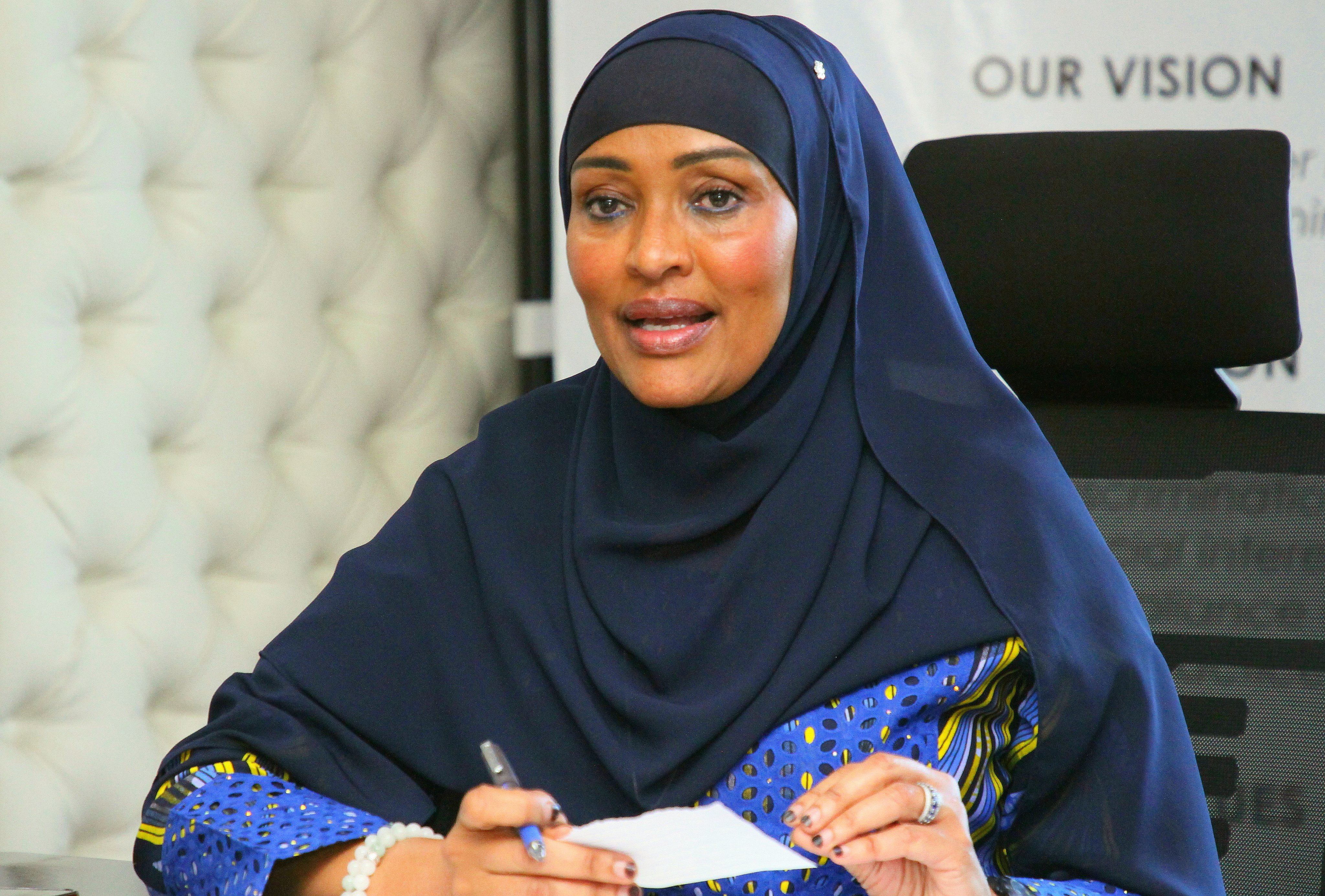
Hon. Rehema Jaldesa
CHAIRPERSON