On Mazingira Day 2025, the National Gender and Equality Commission (NGEC) transformed commemoration into commitment — mobilising its secretariat teams across Kenya to lead tree planting, clean-ups, and environmental awareness drives from Nairobi to Isiolo. It was a demonstration of civic responsibility rooted in the Commission’s broader mission: ensuring that Kenya’s climate action is not only sustainable but also equitable.
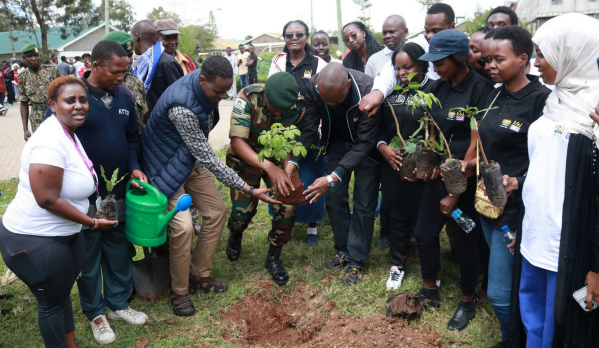
Across the country, NGEC staff joined learners, teachers, local administrators, and community members in activities that fused environmental restoration with social inclusion. In Nairobi County, the Commission’s headquarters team partnered with students of the Karen Technical Training Institute for the Deaf in Lang’ata for a tree-planting exercise led by Deputy County Commissioner Walter Katonon—the event symbolised a partnership between the government, youth, and persons with disabilities in protecting Kenya’s environment.
In Nyamira, students and teachers of Nyamira Comprehensive School joined hands with NGEC officers to plant trees on school grounds, turning the activity into a lesson in environmental stewardship. The Nakuru Regional Office led a cleanup exercise in London Ward before planting trees at London Ward Special School and Menengai Primary School, reaffirming the importance of cleaner public spaces and inclusive participation.
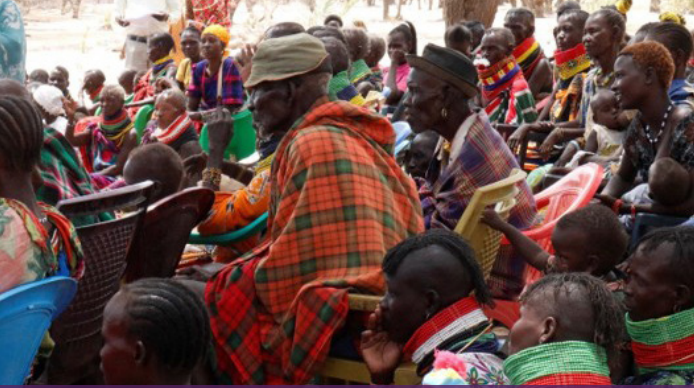
From Kitui to Embu, Kilifi to Garissa, and Isiolo, similar efforts unfolded — all aligned to the year’s Mazingira Day theme: “Citizen-Centric Tree Growing and Environmental Stewardship.” Each region echoed the same conviction: that climate action must include everyone.
NGEC’s actions unfolded within a broader national context — President H.E. Dr. William Ruto’s ambitious pledge to plant 15 billion trees by 2032, a key pillar of Kenya’s climate resilience strategy. The initiative, part of the National Landscape and Ecosystem Restoration Programme, seeks to restore degraded lands, combat desertification, and raise Kenya’s tree cover to 30 per cent.
For NGEC, however, the greening agenda carries a deeper question: who benefits and who bears the burden? Climate change is not gender-neutral. Around the world—and particularly in Kenya—its impacts fall unevenly, with women and girls often carrying the heaviest load. Droughts, floods, and food insecurity affect their livelihoods, health, and safety disproportionately. Yet within this challenge lies opportunity: advancing gender equality as a cornerstone of effective climate action.
Tree-planting initiatives offer more than environmental benefits; they can be platforms for women’s empowerment and community transformation. When women are included — as planters, decision-makers, and beneficiaries — they bring invaluable knowledge and leadership rooted in their everyday stewardship of farms, families, and local ecosystems. Their participation enhances both the success of environmental projects and the resilience of communities.
NGEC’s involvement in Mazingira Day activities highlighted this intersection of gender justice and climate justice. By planting trees in special schools, rural communities, and arid zones, the Commission emphasised that true environmental conservation cannot leave behind persons with disabilities, minorities, or women-headed households.