A teenage girl from Kangema, living with HIV and battling mental illness, has finally been handed a lifeline in her pursuit of justice after the National Gender and Equality Commission (NGEC) intervened to recover crucial medical documents allegedly being withheld by police officers.
The survivor, who has endured repeated rape and previous defilement, was left in limbo after her Post-Rape Care (PRC) and P3 medical forms — vital evidence in prosecuting sexual offences — were reportedly being held at a local police station. The alleged withholding of evidence risked derailing the case, raising questions about accountability and sensitivity in handling cases of sexual violence.
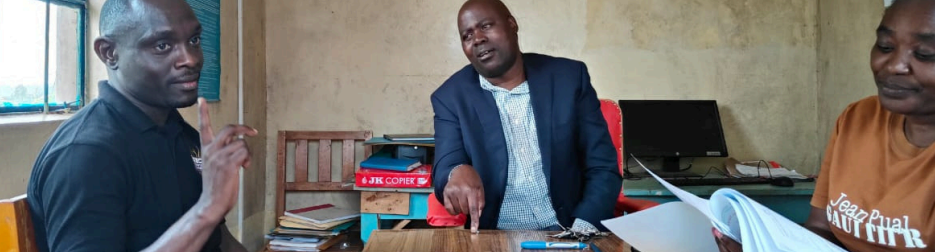
According to the NGEC, the Commission’s Rapid Response Team, acting on a referral from St. John’s Community Centre, worked in coordination with the Medical Superintendent and social worker Ms. Monica of Kangema Sub-County Hospital to secure the survivor’s documents.
The team successfully obtained copies of the PRC and P3 forms, as well as the police Occurrence Book (OB) number, safeguarding key evidence for the ongoing investigation.
The immediate retrieval of the survivor’s medical forms was crucial,” said an NGEC Desire Njamwea Assistant Director, Legal, Complaints, Investigations and Redress “Delays or obstruction in evidence handling can compromise justice and deepen trauma for survivors, especially those facing additional vulnerabilities such as illness or mental health challenges.”
The case highlights persistent weaknesses in Kenya’s response to sexual and gender-based violence (SGBV), particularly when survivors come from marginalised or vulnerable backgrounds. Social worker Ms. Monica described the intervention as “a necessary step to restore dignity and hope to a survivor who had almost been forgotten.”
“She is a young girl who has faced unimaginable abuse,” Ms. Monica said. “When crucial evidence is withheld or delayed, survivors lose faith not only in the justice system but in society’s willingness to protect them.”
Similarly, Ms. Kendi from St. John’s Community Centre, who initially referred the case, commended the swift response from NGEC, calling it “a timely example of what inter-agency collaboration can achieve.”
While the retrieval of the forms marks progress, the Kangema case exposes a wider systemic challenge — where police mishandling, stigma, and procedural delays often silence survivors before their voices reach the courtroom.
The Kangema episode should serve as both warning and wake-up call. Every day evidence is delayed or denied is another day justice slips away. As NGEC continues its oversight, there must be stronger enforcement of the legal requirement for free forms, routine audits of police and hospital practices, and empowerment of survivors through education on their rights.