KAJIADO, Kenya — Survivors of Gender-Based Violence (GBV) require more than legal protection to rebuild their lives. Access to justice, economic empowerment and coordinated institutional support are increasingly recognised as essential components of long-term recovery. It is against this backdrop that the National Gender and Equality Commission (NGEC), in partnership with the Japan International Cooperation Agency (JICA), intensified engagements in Kajiado County to strengthen survivor-centred support systems.
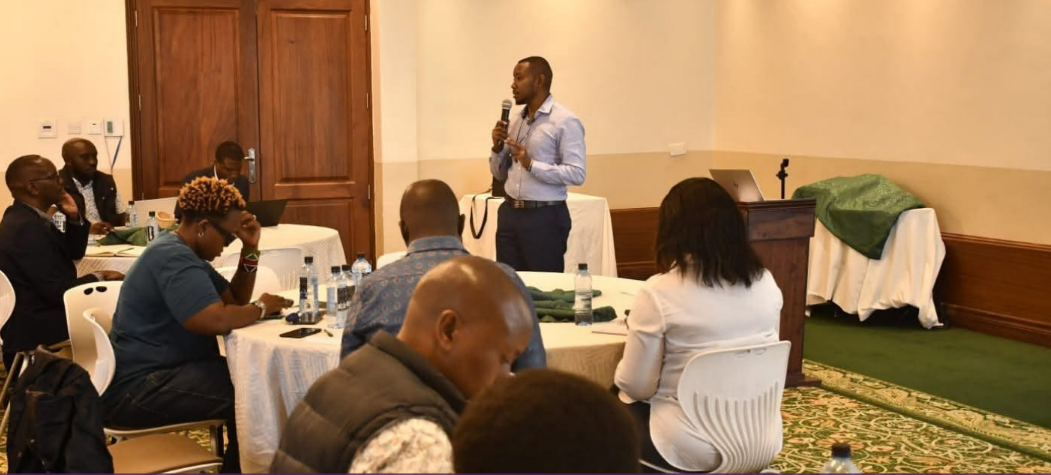
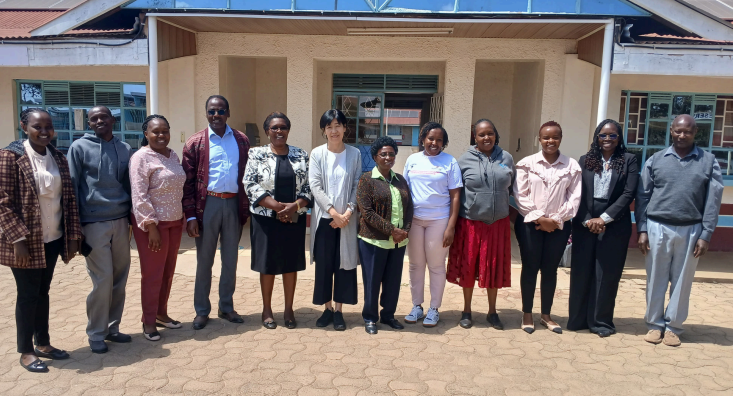
The Commission and JICA held separate strategic meetings with leaders from the education and justice sectors to explore practical interventions that improve access to vocational training, strengthen referral mechanisms and enhance survivors' access to justice. The engagements form part of ongoing efforts to build a coordinated response that places survivors at the centre of service delivery while promoting dignity, protection and sustainable empowerment.
A key engagement was held with the management of Maasai National Polytechnic, where discussions focused on strengthening collaboration between survivor support services and Technical and Vocational Education and Training (TVET) institutions. The dialogue examined how vocational education can provide survivors with practical skills, improve employability and expand opportunities for entrepreneurship and financial independence.
Economic empowerment has become an increasingly important element of Kenya's response to Gender-Based Violence. While legal interventions remain essential, evidence shows that many survivors face significant economic challenges after leaving abusive situations. Limited income, unemployment and financial dependence often make it difficult for survivors to rebuild their lives and maintain long-term stability.
By strengthening pathways into vocational training, the Commission and JICA aim to ensure that survivors have greater access to education and skills that support self-reliance and reduce vulnerability to further abuse. Integrating survivor support with existing training institutions also offers opportunities to connect beneficiaries with employment, enterprise development and other socio-economic opportunities available through the TVET sector.
The delegation also met Lady Justice Christine Wanjiku Meoli, Presiding Judge at the Kajiado Law Courts, to strengthen collaboration between the justice system and institutions supporting survivors of Gender-Based Violence. The discussions centred on improving referral pathways, enhancing institutional coordination and ensuring survivors receive timely, accessible and survivor-centred justice services.
The engagement recognised that effective justice extends beyond court proceedings. Survivors often require legal assistance, psychosocial support, healthcare, shelter and economic opportunities delivered through coordinated institutions that minimise delays and reduce the risk of retraumatisation.
Strengthening partnerships between the judiciary, public institutions and service providers is therefore critical to ensuring that survivors can access comprehensive support throughout the justice process.
Kenya has made notable progress in strengthening laws, policies and institutional mechanisms to address Gender-Based Violence. However, gaps remain in ensuring that survivors can easily navigate available services and access coordinated support across sectors.
Fragmented referral systems and limited linkages between protection, justice and economic empowerment programmes continue to affect service delivery in many parts of the country.
The Kajiado engagements reflected a growing recognition that effective GBV prevention and response must extend beyond emergency interventions. Linking vocational education with justice and protection services represents an integrated approach that addresses both the immediate consequences of violence and the long-term socio-economic challenges that many survivors face.
The discussions underscored an emerging policy shift towards comprehensive survivor support, recognising that justice is most effective when accompanied by education, economic opportunity and coordinated public services that enable survivors to regain independence and rebuild their futures. Strengthening collaboration between public institutions, the judiciary, educational institutions and development partners is increasingly viewed as essential to delivering services that respond to the diverse needs of survivors.
The partnership between NGEC and JICA continues to demonstrate the value of multi-sectoral collaboration in addressing Gender-Based Violence. By connecting justice, education and economic empowerment within a coordinated framework, the initiative seeks to strengthen protection systems while creating opportunities for survivors to participate fully.