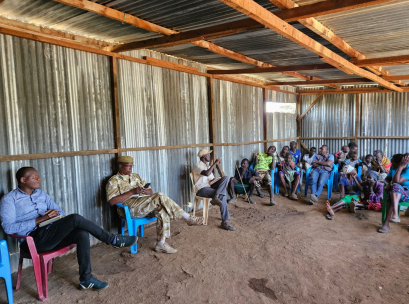
ISIOLO, Kenya — In the vast, sunscorched expanses of Atan Location, Ngaremara Ward, where pastoralism has sustained generations and livestock remains the currency of survival, a quiet but determined conversation is taking root— one that seeks to dismantle the deep-seated inequalities and systemic protection failures threatening the region's most vulnerable.
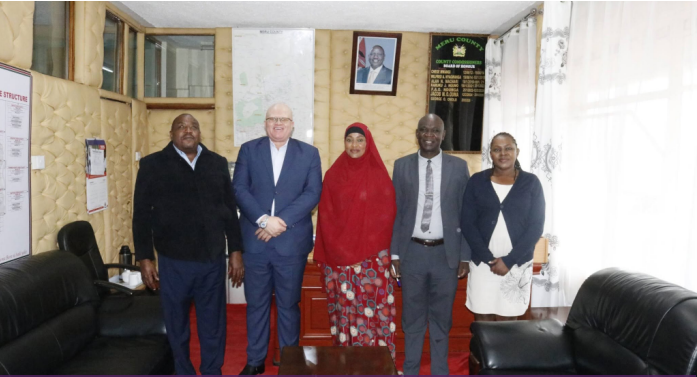
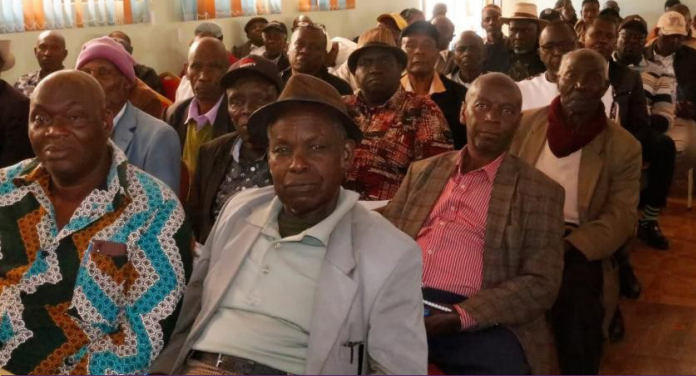
The National Gender and Equality Commission (NGEC), in collaboration with Inform Action Organisation and the Kenya Wildlife Service (KWS), recently convened a landmark community dialogue forum in this remote part of Isiolo County, bringing together women community champions, elders, local administrators, and security officials to confront a cluster of interlinked crises: surging teenage pregnancies, spiraling gender-based violence (GBV), child marriage, and escalating insecurity linked to banditry issues that have long festered beneath the surface of policy discourse but are now demanding urgent, coordinated action.
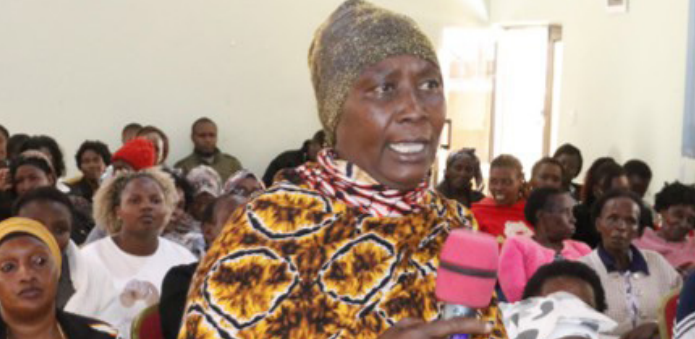
For the women and children of Atan Location, the forum was more than a routine government engagement; it was a rare opportunity to voice frustrations, demand accountability, and reclaim a sense of agency in communities where patriarchal norms, economic marginalisation, and geographic isolation have historically silenced dissent.
"Every day, we watch our daughters drop out of school to become child brides. We watch our sisters endure violence that goes unreported. And we watch our livestock our only source of livelihood—get driven away by bandits or killed by wildlife, with no one held accountable," said one of the women community champions who participated in the dialogue, capturing thedespair that pervades many pastoralist households. "Today, for the first time, we felt someone was listening." Her testimony underscores a grim reality: Isiolo County consistently ranks among Kenya's most disadvantaged regions in terms of education completion rates, maternal health outcomes, and access to justice. According to recent data from the Kenya National Bureau of Statistics, the county has a teenage pregnancy rate exceeding 30 per cent, well above the national average, with many of these pregnancies resulting from sexual violence, coerced early marriage, or transactional sex driven by poverty.
The consequences are immediate and intergenerational. Girls who fall pregnant are frequently expelled from school or drop out voluntarily, perpetuating a cycle of illiteracy, economic dependency, and early motherhood that condemns them—and their children—to entrenched poverty. For boys and young men, the lack of economic opportunities and the allure of cattle rustling often draw them into banditry networks, fueling a cycle of violence that destabilises entire communities.
Against this backdrop, the NGEC's engagement focused on strengthening community-driven prevention mechanisms, with a particular emphasis on equipping women champions often the first responders to incidents of abuse in remote settlements with the constitutional literacy and advocacy skills needed to navigate complex reporting and referral pathways.
"Many women know their rights are being violated, but they do not know where to go, whom to trust, or what to expect when they do report," explained a representative from Inform Action Organisation, a local civil society organisation dedicated to advancing the rights of marginalised communities in the arid and semi-arid lands. "Our role is to bridge that gap to translate constitutional guarantees into practical, actionable knowledge that communities can use to hold duty-bearers accountable."
The Commission's team delved into the constitutional and legal framework governing the protection of Special Interest Groups (SIGs), including women, children, older persons, and persons with disabilities. Particular attention was paid to the Children Act, 2022, which criminalises child marriage and mandates compulsory education, as well as the Protection Against Domestic Violence Act and the Sexual Offences Act, whose enforcement remains patchy in remote pastoralist areas.
The dialogue also confronted the contentious issue of human-wildlife conflict—a factor rarely included in conversations about GBV and child protection, but one that KWS officials argued is inextricably linked to household vulnerability. The forum ended with a series of concrete commitments from all stakeholders. NGEC pledged to escalate the documented concerns from Atan Location to the Isiolo County Government and the National Police Service, advocating for intensified security patrols in banditry-prone areas, the establishment of a functional GBV one-stop centre in Ngaremara Ward, and the expedited processing of pending compensation claims for victims of human-wildlife conflict.