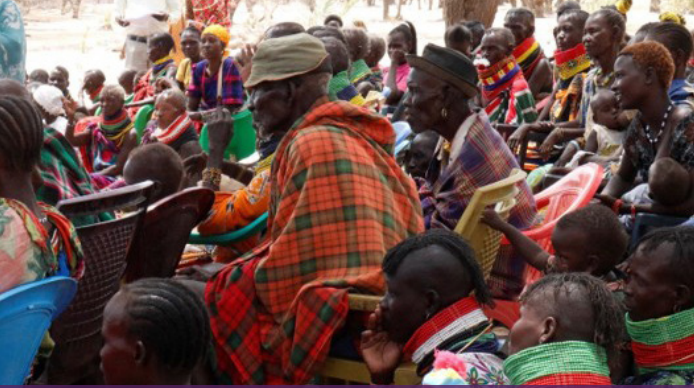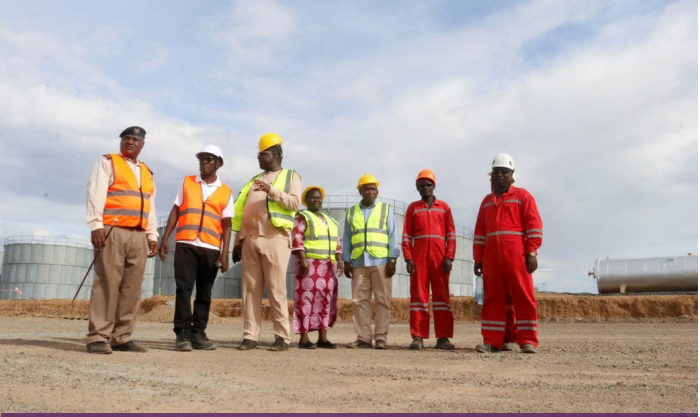

The National Gender and Equality Commission’s Kisumu Regional Office joined stakeholders from across Western Kenya during the convening of the Social Justice Centers Working Group – Western Chapter and the groundbreaking of the Ubuntu Village Social Justice Centre in Kisumu County. The forum brought together social justice centres, civil society partners, county stakeholders and community leaders to strengthen grassroots responses to injustice, expand access to rights information and improve support systems for vulnerable communities.
The Ubuntu Village Social Justice Centre is expected to serve as a safe and accessible community space where residents can meet, organise, seek information and raise concerns affecting their rights and welfare. Stakeholders at the event said the centre will provide a platform where wananchi can learn about legal protections, civic responsibilities and available support mechanisms without fear or intimidation.
The initiative is also designed to promote local leadership development, dialogue, healing and mental well-being, particularly in communities where residents face challenges such as discrimination, violence, exclusion and limited access to formal justice systems. Participants noted that community-based centres can play an important role in bridging the gap between citizens and institutions by creating trusted spaces for engagement.
The discussions reflected wider concerns that many Kenyans, particularly women, youth and other vulnerable groups, often hesitate to report injustice due to fear of retaliation, stigma, financial barriers or lack of confidence in available systems. Human rights advocates at the forum observed that distance from institutions, low awareness of legal rights and limited psychosocial support frequently discourage reporting of abuse or discrimination. By placing support services closer to communities, stakeholders said centres such as Ubuntu Village can increase confidence, improve documentation of complaints and encourage earlier intervention in disputes and rights violations. The approach is increasingly viewed as an effective model for expanding justice services to underserved populations.
The forum brought together representatives from social justice centres across Western Kenya alongside partners, including Haki Africa and county stakeholders. The gathering focused on strengthening collaboration among grassroots organisations working on human rights, accountability and community empowerment.
Participants exchanged experiences on handling complaints, conducting civic education, protecting vulnerable persons and building sustainable community-led advocacy networks.
The event also explored strategies for improving referrals between local centres, county institutions and national bodies responsible for addressing rights violations. A key theme during the engagement was the recognition that justice work extends beyond legal processes and includes emotional recovery, healing and psychological support.
Many communities affected by violence, discrimination, economic hardship or prolonged exclusion experience trauma that often goes unaddressed.
Stakeholders said integrating mental well-being support into community justice centres can help survivors and affected persons recover, rebuild confidence and participate more actively in civic life.
This broader approach reflects growing recognition that social justice requires both accountability and restoration. The National Gender and Equality Commission reaffirmed its commitment to supporting documentation of complaints, following up on reported cases and promoting accountability on issues raised by members of the public.
The Commission has a constitutional mandate to promote equality and freedom from discrimination, while safeguarding the rights of special interest groups including women, youth, persons with disabilities, children, older persons, minorities and marginalised communities.
Through its regional offices, the Commission continues to engage directly with communities and local institutions to improve reporting pathways and ensure grievances receive appropriate attention. Officials noted that partnerships with community justice centres can strengthen early response systems and improve public trust in accountability mechanisms. The launch of the Ubuntu Village Social Justice Centre reflects the growing importance of decentralised and community-driven responses to governance and rights challenges.
Rather than relying solely on central institutions, the model places support structures within communities where issues first emerge and where citizens can access help more easily. Observers at the event said such centres can also strengthen democratic participation by enabling residents to organise around shared concerns and engage constructively with authorities.