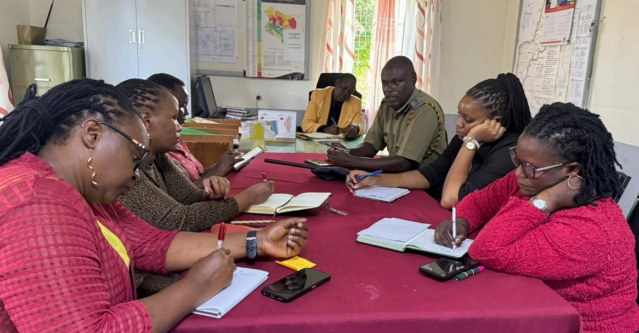
A consultative meeting in Kitui County has brought together the National Gender and Equality Commission (NGEC), the Kitui County Government Gender Sector and the Deputy County Commissioner for Kitui Central to address emerging cases of killings affecting women and girls. The engagement focused on strengthening coordination, improving early response systems and reinforcing community-based prevention measures in response to growing concerns over gender-based violence.
The discussions in Kitui come against the backdrop of increasing national concern over gender-based violence and related killings.
Recent data indicates that more than 31,000 sexual and gender-based violence cases were filed in Kenyan courts in the 2024/2025 financial year, underscoring the scale of the issue across the country. Additional reports show a rise in killings of women, with hundreds of cases recorded annually and many linked to intimate partners or individuals known to the victims.
Participants noted that these patterns highlight the urgency of strengthening prevention and response mechanisms at both national and county levels. A key focus of the Kitui engagement was the need to strengthen early detection and response systems. takeholders emphasised that many fatal incidents are preceded by warning signs, including repeated violence, threats, and escalating domestic conflicts. The meeting explored ways to improve identification of such risks at community level and ensure timely intervention by relevant authorities. Participants agreed that strengthening early response mechanisms can significantly reduce escalation of violence and prevent loss of life.
The discussions highlighted persistent coordination challenges among institutions involved in addressing gender-based violence. Participants noted that delays in information sharing, fragmented response systems and unclear referral pathways often weaken the effectiveness of interventions. The meeting prioritised improving collaboration between local administration, security agencies, social services and community-based structures to ensure a more unified and timely response.
The engagement underscored the role of social factors in allowing violence to persist and escalate. Stakeholders noted that silence, stigma and fear continue to discourage survivors and affected families from reporting abuse early. Harmful social norms and attitudes were identified as contributing factors that normalise violence or discourage intervention. Participants emphasised that addressing these barriers requires sustained public sensitisation and community engagement to promote a culture of accountability and zero tolerance to violence.
The Commission reaffirmed that addressing gender-based violence requires coordinated action across multiple sectors. Participants emphasised the importance of collaboration between government agencies, civil society organisations, security institutions and community structures.