NAIROBI — The National Gender and Equality Commission (NGEC) has called for stronger legal protection of Women Environmental Human Rights Defenders (WEHRDs), increased investment in gender-responsive climate governance and greater political representation of women, warning that sustainable climate action will remain difficult to achieve unless women leading environmental protection efforts are adequately protected and meaningfully included in decision-making.
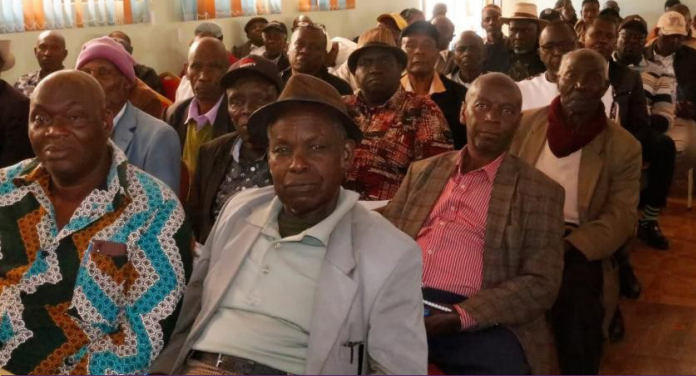
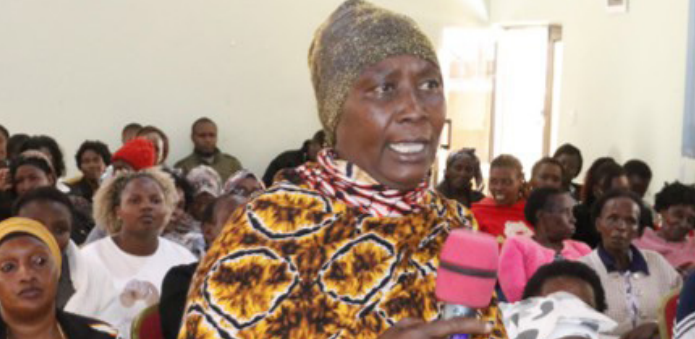
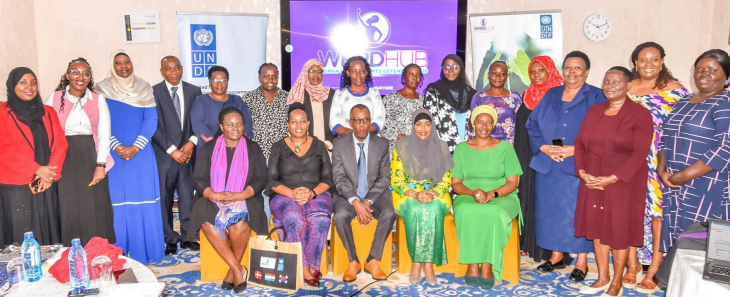
The call was made during the High-Level Multi-Stakeholder Dialogue on Strengthening Women Environmental Human Rights Defenders and Climate Change Advocates' Political Participation and Influence, which brought together representatives from national and county governments, constitutional commissions, development partners, civil society organisations, Women Environmental Human Rights Defenders, academia and the media to examine the policy, governance and human rights challenges affecting women leading environmental and climate justice initiatives across Kenya.
The dialogue took place against the backdrop of growing climate-related challenges, including prolonged droughts, devastating floods, ecosystem degradation and increasing competition over natural resources.
Participants observed that these impacts continue to disproportionately affect women, Indigenous Peoples, pastoralist communities, persons with disabilities, minorities and marginalized communities whose livelihoods depend heavily on land, forests, water resources and biodiversity.
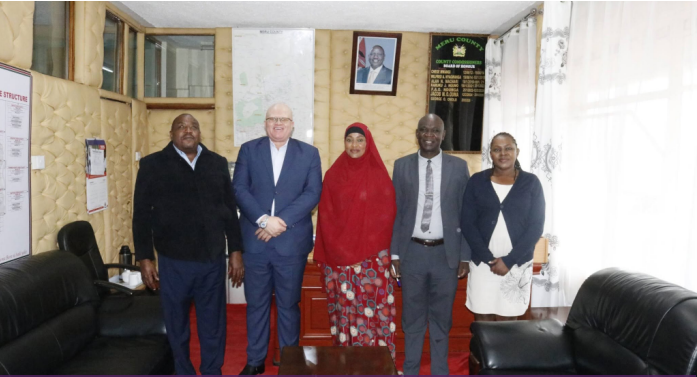
Leading the Commission's delegation were NGEC Chairperson Hon. Rehema Jaldesa and Director of Programmes Mr. Paul Kuria, who reaffirmed the Commission's constitutional mandate to promote equality and freedom from discrimination while advancing inclusive governance systems that guarantee meaningful participation by all citizens in environmental governance and climate policy processes.
Participants acknowledged the growing contribution of Women Environmental Human Rights Defenders in strengthening Kenya's climate resilience and protecting natural ecosystems. Across the country, women continue to lead community-based initiatives focused on ecosystem restoration, sustainable agriculture, water catchment conservation, biodiversity protection, environmental education and preservation of Indigenous knowledge, while mobilising local communities to adopt climate adaptation measures.
The dialogue recognised that these grassroots initiatives have become increasingly important as Kenya implements national climate commitments and pursues sustainable development objectives under the Constitution, national climate policies and international agreements.
Kenya's climate governance framework— including the Climate Change Act and the National Climate Change Action Plan— provides a foundation for climate action, although participants noted that implementation remains uneven across sectors and communities.
Despite their significant contributions, participants expressed concern that many Women Environmental Human Rights Defenders continue to face multiple risks while carrying out their work. The forum highlighted persistent reports of intimidation, harassment, online abuse, shrinking civic space, economic exclusion and threats linked to environmental advocacy.
Limited representation within institutions responsible for environmental governance and natural resource management was also identified as a major barrier to women's influence over climate policy and resource allocation. Participants further discussed the increasing prevalence of technologyfacilitated violence targeting women human rights defenders, including online harassment and digital intimidation, noting that emerging evidence demonstrates the need for stronger legal safeguards, reporting mechanisms and institutional responses to protect women working on environmental and human rights issues.
Similar concerns have increasingly been documented globally as governments and development partners seek stronger protection mechanisms for Women Environmental Human Rights Defenders.
Speakers observed that protecting environmental defenders is both a human rights obligation and an important governance issue that strengthens democratic participation, accountability and sustainable environmental management.
Throughout the discussions, participants emphasised that climate governance extends beyond environmental conservation and is fundamentally connected to constitutional rights, public participation, equality, social justice and sustainable development.
While Kenya has made notable progress in developing climate legislation and policy frameworks, stakeholders observed that women and marginalized communities continue to face structural inequalities in accessing climate financing, land ownership, natural resource governance and climate-related decision-making processes.
Women from rural, Indigenous and pastoralist communities were identified among those most affected by these disparities, with participants noting that unequal access to resources continues to limit their ability to influence policies affecting land use, biodiversity conservation, water management and climate adaptation programmes. The dialogue called for climate financing mechanisms that deliberately integrate gender equality and social inclusion to ensure that investments reach communities disproportionately affected by climate change.
Addressing the forum, NGEC Chairperson Hon. Rehema Jaldesa encouraged Women Environmental Human Rights Defenders to build on their community leadership experience by actively seeking elective leadership positions during Kenya's 2027 General Election.
She noted that women leading environmental conservation initiatives possess extensive experience in community mobilisation, environmental governance, climate adaptation, sustainable development and conflict resolution, skills that could strengthen legislative oversight and policy formulation at county and national levels.
Participants agreed that increasing women's representation in county assemblies, Parliament and other decision-making institutions would contribute to more inclusive climate governance by ensuring that policies reflect community priorities and lived experiences.
The dialogue also underscored the importance of implementing constitutional rovisions that promote equality and the participation of women in public affairs, including environmental governance and climate leadership. Discussions further focused on strengthening accountability mechanisms to ensure that constitutional and legislative commitments translate into measurable outcomes. Participants called for improved implementation of equality provisions contained in Kenya's Constitution and stronger enforcement of climate governance frameworks that promote inclusive public participation.
Among the key recommendations was the need to improve the collection, analysis and utilisation of age-, sex- and disability-disaggregated data to support evidence-based policymaking. Participants observed that reliable data remains essential for identifying disparities, monitoring progress and designing targeted interventions that respond effectively to the realities facing Women Environmental Human Rights Defenders and vulnerable communities.
The forum also recommended strengthening monitoring systems to assess women's participation in environmental governance institutions, access to climate finance and representation in climate-related decision-making structures. Participants agreed that addressing climate-related inequalities requires sustained collaboration between government ministries, constitutional commissions, county governments, development partners, civil society organisations, research institutions and local communities.
The Commission reaffirmed its commitment to advancing equality and freedom from discrimination by mainstreaming gender equality and social inclusion across climate governance frameworks and public policy.
Through its constitutional mandate, NGEC continues to monitor compliance with equality principles, advocate for inclusive governance, support evidence-based policy reforms and promote the protection of Special Interest Groups, including women, youth, persons with disabilities, older persons, minorities and marginalized communities.
The Commission also reiterated its commitment to working closely with government institutions, county governments, development partners and civil society organisations to strengthen accountability and ensure environmental governance reflects the constitutional values of equality, participation, transparency and human dignity.
As Kenya continues implementing its national climate commitments and international obligations, participants agreed that protecting Women Environmental Human Rights Defenders and expanding their participation in climate governance will remain essential for building resilient communities and advancing sustainable development.
Participants observed that protecting women environmental defenders is both a human rights obligation and a governance priority.