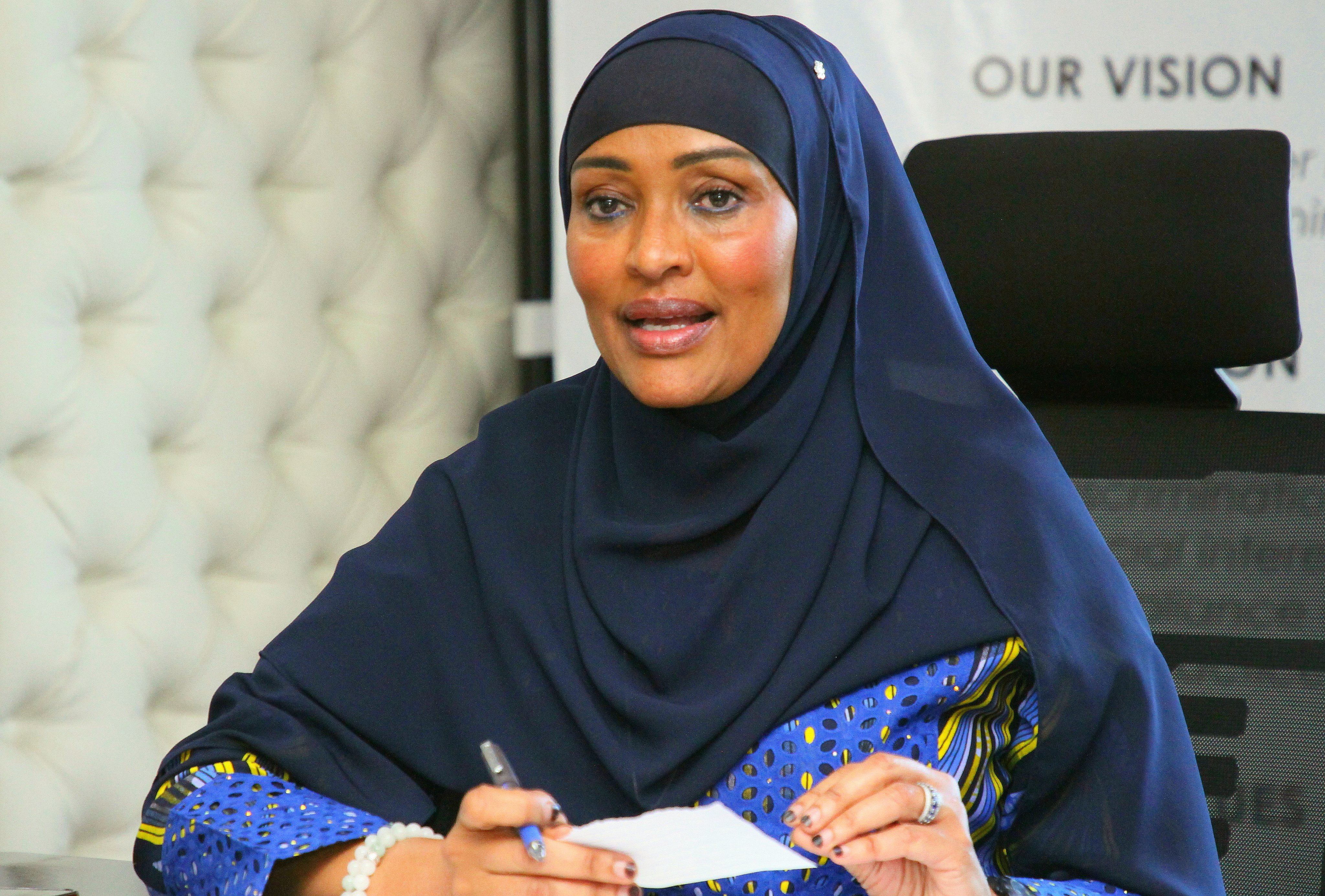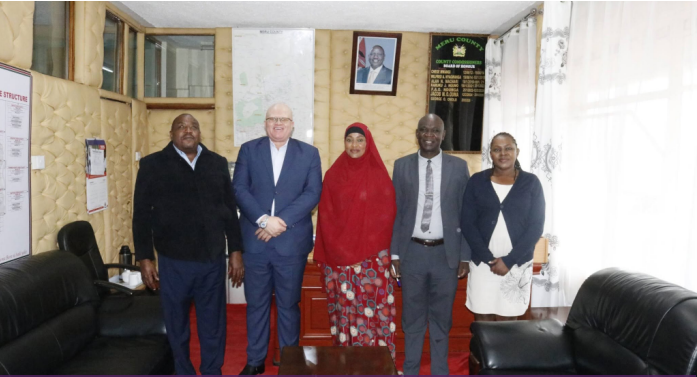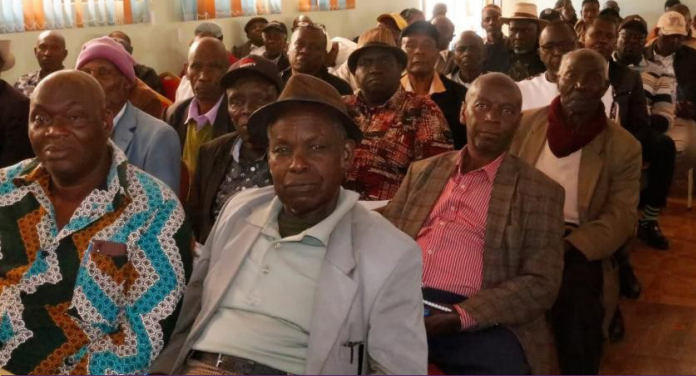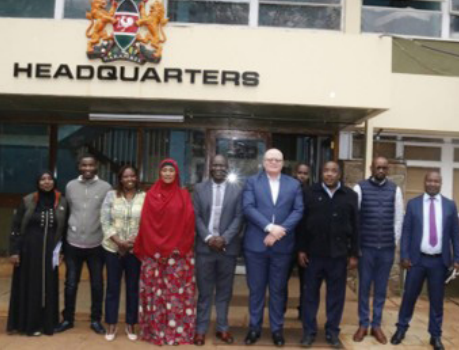
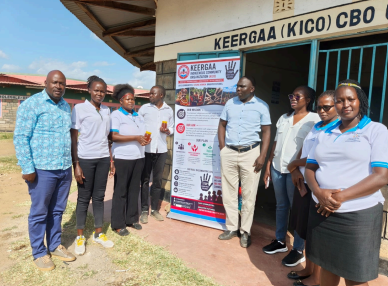
BARINGO COUNTY, Kenya — The National Gender and Equality Commission (NGEC), through the NGEC–JICA GenderBased Violence Prevention Project, held a consultative engagement with Keergaa Indigenous Community Organization (KICO) in Mogotio, Baringo County, to examine the growing intersection between climate-related shocks, community vulnerabilities, and the risk of Gender-Based Violence (GBV).
The engagement brought together project stakeholders and community representatives to discuss how prolonged drought, economic hardship, and resource scarcity are affecting households and increasing vulnerabilities among women, girls, and other at-risk populations in arid and semi-arid areas. Participants noted that recurring droughts continue to undermine livelihoods across many parts of Baringo County, reducing household incomes, increasing food insecurity, and placing additional pressure on families and communities. According to stakeholders, these conditions can contribute to heightened risks of Gender-Based Violence, child marriage, and other harmful practices, particularly among households facing economic distress.
The discussions focused on identifying practical interventions that strengthen both community protection mechanisms and resilience-building efforts.
Participants explored strategies to improve referral pathways for survivors of violence, enhance access to support services, and strengthen community-based systems that protect women and girls from abuse and exploitation. Particular attention was given to initiatives aimed at safeguarding girls at risk of Female Genital Mutilation (FGM) and child marriage. Stakeholders emphasized the importance of safe spaces, community awareness programmes, and coordinated responses involving local leaders, government agencies, and civil society organizations.
Of significant concern during the discussions was the continued prevalence of Female Genital Mutilation in parts of Kisanana Ward. Community representatives observed that social and cultural pressures surrounding the practice remain a challenge despite ongoing awareness and prevention efforts.
Participants called for sustained community engagement, strengthened local leadership, and increased support for grassroots organizations working to eliminate harmful practices and protect the rights of women and girls. The engagement also underscored the importance of integrating protection concerns into broader development and climate resilience initiatives.
Stakeholders noted that addressing Gender Based Violence requires not only responsive support services but also interventions that tackle underlying drivers of vulnerability, including poverty, exclusion, and limited access to economic opportunities.
NGEC reaffirmed its commitment to promoting equality, protecting vulnerable populations, and supporting collaborative approaches that address discrimination and violence in all its forms.
Through partnerships with development organizations and community-based groups, the Commission continues to advocate for interventions that strengthen both protection systems and community resilience.
The outcomes of the Mogotio consultation highlight the growing recognition that climate resilience, economic empowerment, and protection from violence are interconnected development priorities.