The National Gender and Equality Commission (NGEC) and the Huduma Kenya Secretariat have initiated discussions aimed at strengthening institutional collaboration to improve access to public services for vulnerable and underserved populations across the country.
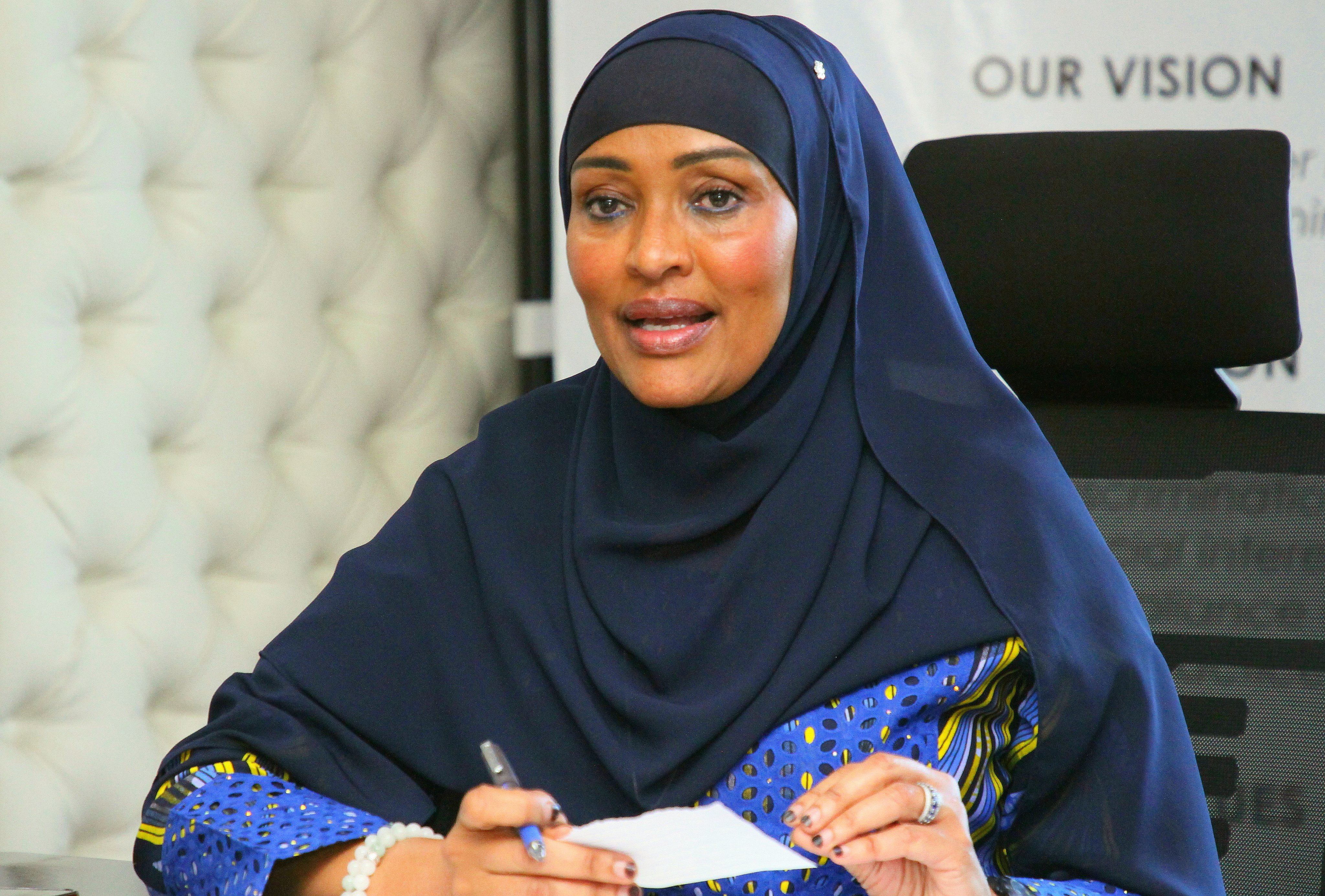
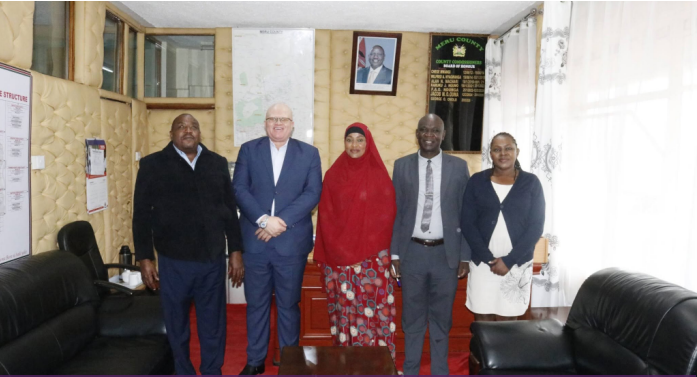
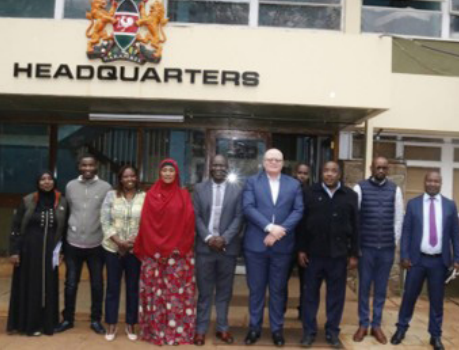
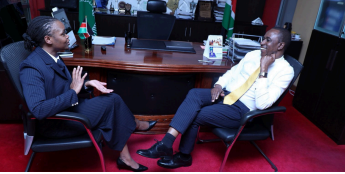
The discussions took place during a meeting between NGEC Commission Secretary and Chief Executive Officer, Dr. Purity Ngina, and Huduma Kenya Secretariat Chief Executive Officer, CPA Benjamin Kai Chilumo. The engagement focused on identifying areas of cooperation that can enhance equitable, citizen-centred service delivery and ensure that government services effectively reach all segments of society, particularly Special Interest Groups.
The meeting comes at a time when Kenya continues to pursue reforms aimed at improving public service efficiency, accessibility and responsiveness through integrated service delivery platforms. As government institutions increasingly embrace digital transformation and one-stop service centres, stakeholders have emphasized the need to ensure that no population group is excluded from accessing essential services.
During the discussions, the two institutions explored strategies for promoting equitable access to government services for women, youth, persons with disabilities, older persons, minorities and marginalized communities.
These groups often encounter unique challenges that can limit their ability to obtain critical services, including documentation, social protection programmes, healthcare registration, business permits, educational support services and other government interventions.
The two noted that while significant progress has been made in bringing services closer to citizens through the Huduma Kenya model, disparities in access persist in some parts of the country.
Geographic distance, physical inaccessibility, digital exclusion, language barriers, lack of awareness and socio-economic challenges continue to affect the ability of some citizens to fully benefit from available government services.
The engagement underscored the importance of designing public service systems that respond to the realities of diverse population groups. Both emphasized that accessibility should extend beyond physical infrastructure to include communication, information dissemination, customer service approaches and service delivery mechanisms that accommodate varying needs and circumstances.
The discussions also examined opportunities for enhanced stakeholder engagement and collaborative interventions that can strengthen inclusion within public service delivery systems. Both institutions acknowledged the importance of evidencebased approaches in identifying service delivery gaps and informing policy and administrative reforms.
The meeting further highlighted the role of public institutions in advancing Kenya's constitutional commitments on equality, human dignity, social justice and inclusive development. The meeting underscored a shared commitment to deepening collaboration in advancing equitable access to public services and strengthening citizencentred governance. The two emphasised the need for sustained engagement, coordinated action, and innovative approaches to ensure all Kenyans can access essential services regardless of age, gender, disability status, geographic location, or socio-economic background.