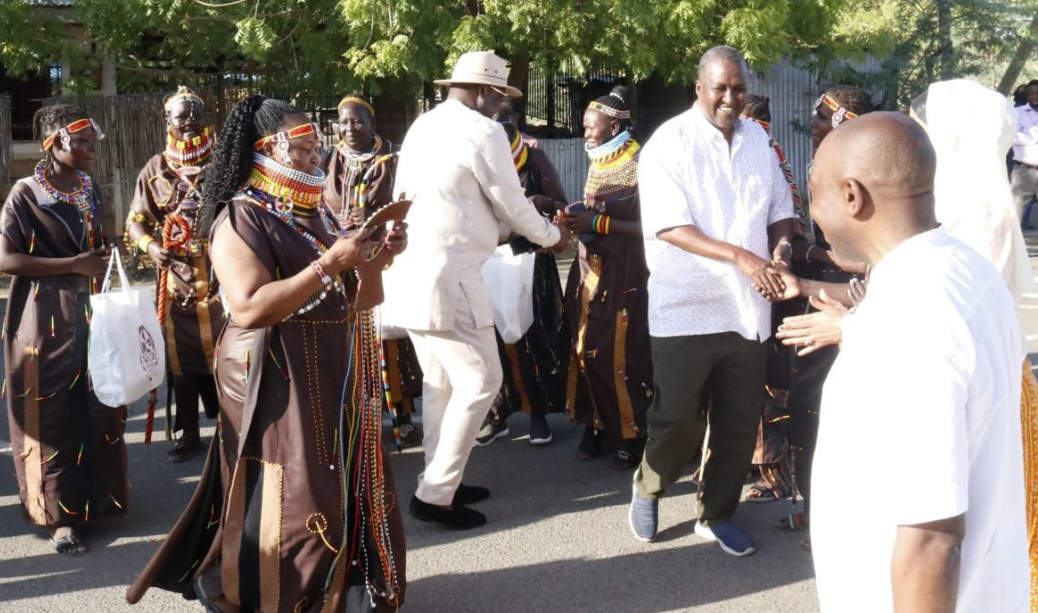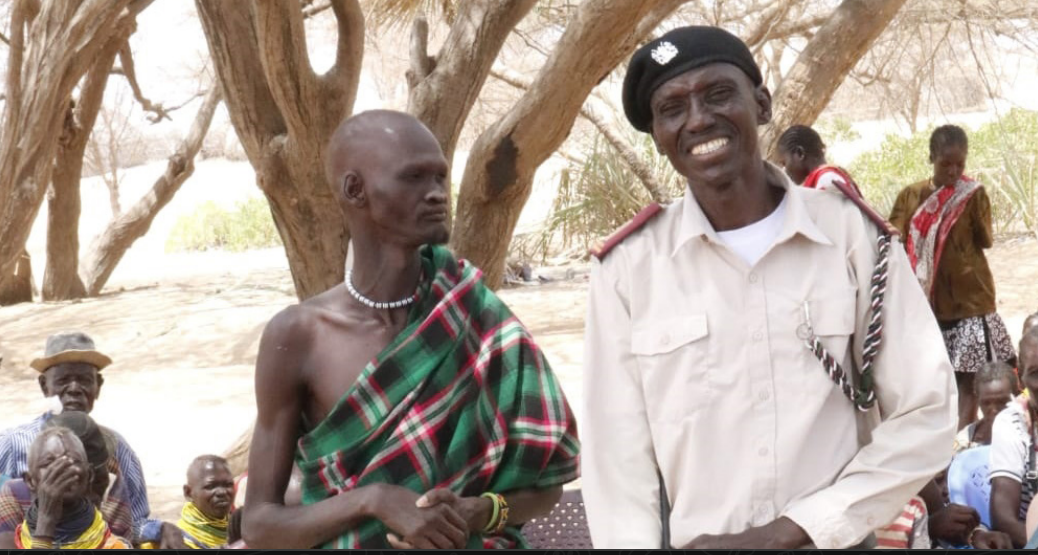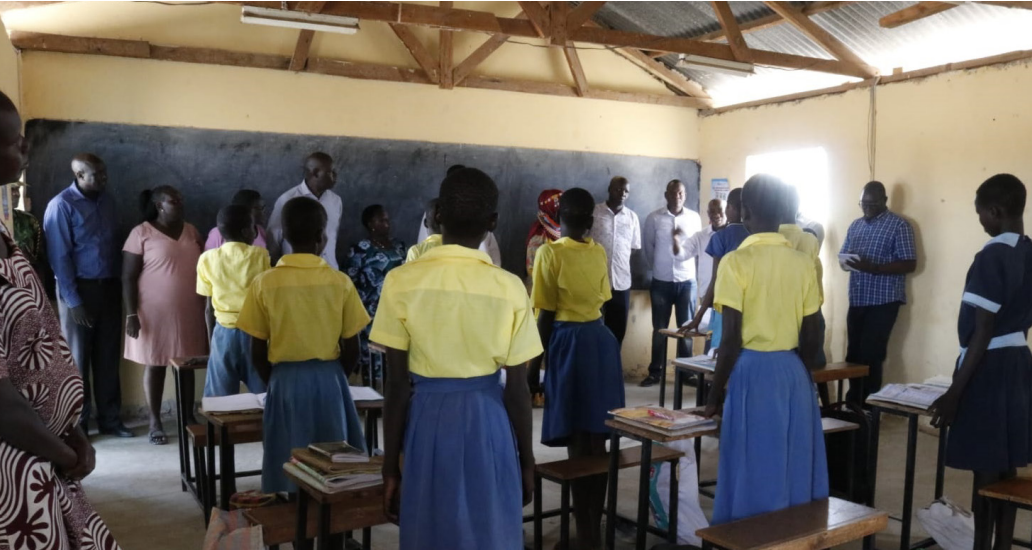
Narok, Kenya — The rolling hills of Narok became a hub of dialogue, learning, and cultural pride as the International Conference on IndigenousLed Research and Education convened, bringing together Indigenous leaders, youth, researchers, policymakers, and global partners. The National Gender and Equality Commission (NGEC), represented by Commissioner Caroline Lentupuru, joined participants on community visits that revealed how Indigenous knowledge is shaping responses to some of the most pressing issues of our time.
Delegates travelled into local communities to witness first-hand the depth of Indigenous practices that continue to sustain livelihoods and ecosystems. From water-harvesting methods passed down through generations to rotational grazing systems that restore degraded rangelands, the initiatives showcased how cultural heritage offers both identity and practical solutions to modern challenges.
Commissioner Lentupuru underscored the importance of Indigenous leadership in these spaces, stressing that inclusion must go beyond token representation. “When communities define their priorities and drive their own solutions, the path to sustainability becomes clearer, fairer, and more inclusive,” she said.
The conference highlighted that Indigenous knowledge does not stand in opposition to science but complements it in ways that create more holistic solutions.
Researchers pointed to Indigenous grazing patterns as critical in the fight against desertification, while policymakers noted that community-based conservation models are proving more effective in safeguarding biodiversity than top-down interventions. For many participants, these examples confirmed what Indigenous communities have long argued that sustainability must be built from the ground up.
Youth voices were also prominent, bringing urgency and fresh perspectives to the conversation. Young Indigenous leaders spoke of balancing modern education with the responsibility of carrying forward ancestral knowledge. Their contributions reflected a growing determination to ensure that cultural heritage remains relevant in addressing contemporary challenges, from climate change to social inequality.
The community visits affirmed that when Indigenous peoples lead, development takes on a character that is both inclusive and enduring, rooted in dignity and respect for the land and its people.
.JPG)