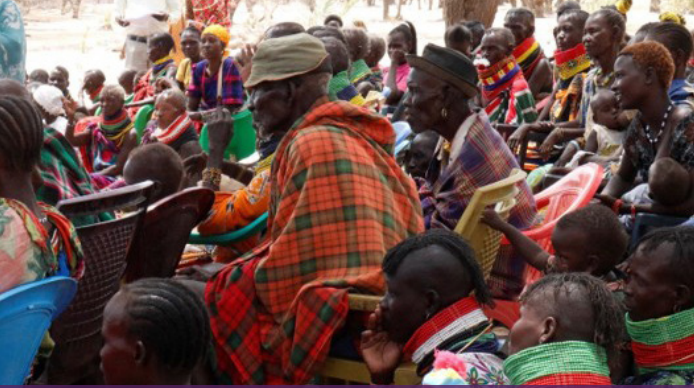
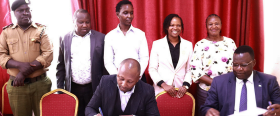
The Commission’s work in Murang’a also took a grassroots turn with a powerful community dialogue titled “Voices from the Community.” The forum brought together men, women, youth, elders, and persons with disabilities for unfiltered discussions on the realities of gender-based violence and its far-reaching social impact.
Residents spoke openly about family conflicts, harmful cultural practices, and the intersection of economic stress and violence in homes. Participants also raised concerns over the growing neglect of the boy child and men’s mental health, calling for inclusive interventions that recognise the vulnerabilities of both genders.
In a rare show of openness, community members confronted taboo subjects such as incest and family abuse, stressing the need for safe spaces, accessible reporting channels, and stronger community safeguards.
Men in attendance acknowledged their role as fathers, partners, and leaders in fostering non-violence and modelling respect at home. Women and youth called for greater access to economic empowerment opportunities, stronger survivor support mechanisms, and consistent engagement of local cultural and faith leaders.
From the dialogue emerged practical recommendations — improved survivor services, child-friendly justice processes, enhanced coordination among duty bearers, and increased education on gender equality at the community level. “These are the conversations that build safer homes and stronger societies,” said an NGEC representative. “When communities take ownership of the fight against GBV, progress becomes sustainable.”