Kenya’s celebration of the International Day of Sign Languages this week carried more than symbolic weight. Behind the speeches and commemorations, the National Gender and Equality Commission (NGEC) issued a stinging reminder: legal recognition of Kenyan Sign Language (KSL) has been achieved, but the reality for many Deaf Kenyans remains a daily struggle for inclusion.
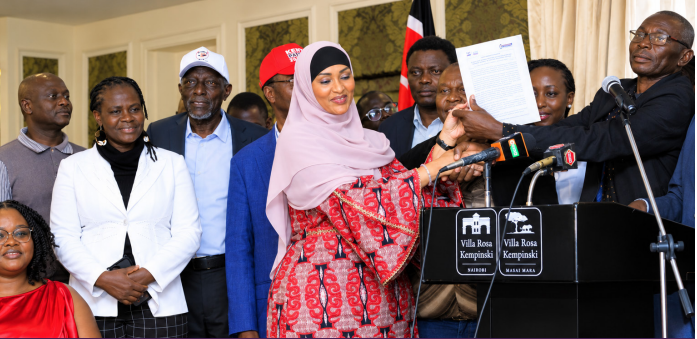
The event, marked globally every September 23, unfolded under the theme “Sign Language Unites Us.” But in Nairobi, it became clear that unity remains a promise, not yet a lived reality. NGEC Chairperson Hon. Rehema Jaldesa called on the government, schools, employers, and healthcare providers to “move from paper promises to tangible action,” insisting that the Deaf community cannot continue to be spectators in a society where they are constitutionally recognized but practically sidelined.
Kenya’s 2010 Constitution enshrined KSL as an official language. The Kenyan Sign Language Act, 2022, and the newly enacted Persons with Disabilities Act, 2025, further entrenched communication rights — extending them beyond signs to include Braille, large print, accessible multimedia, and tactile communication. Yet, as the Commission observed, too many Deaf Kenyans still encounter locked doors: doctors’ consultations without interpreters, classrooms where children fall behind because teachers are untrained in KSL, and workplaces where exclusion is masked as indifference.
“Recognition without implementation is injustice,” Jaldesa declared, her words echoing the frustration of a community that has long been told to wait. “Justice for the Deaf is when they can walk into a hospital and be understood, when they can learn alongside their peers, when they can earn a living without communication being the barrier.”
Kenya has one of the largest Deaf communities in the region, with government estimates placing them at more than 11 percent of the country’s 1.3 million persons with disabilities. For them, the International Day of Sign Languages was less about celebration and more about demanding a future where sign language is not a token of charity but a bridge to dignity.
The Commission warned that delayed access to sign language in early childhood education robs Deaf children of their full potential, widening inequalities that later spill into adulthood. It urged universities and teacher training colleges to integrate KSL instruction into their programmes, arguing that a pipeline of skilled interpreters and educators was essential if Sustainable Development Goals on inclusive education and gender equality were to be met.
Stakeholders at the consultation meeting convened alongside the celebrations noted that progress has been made, including the integration of KSL into the national curriculum and the growing presence of interpreters in major national events. But they agreed the momentum risks stalling without dedicated funding and robust policy enforcement.
For Deaf rights advocates, the message was clear: sign language is not an optional courtesy but a constitutional right. It is also a cultural identity, carrying the history, traditions, and resilience of communities that for too long have been muted in national discourse.