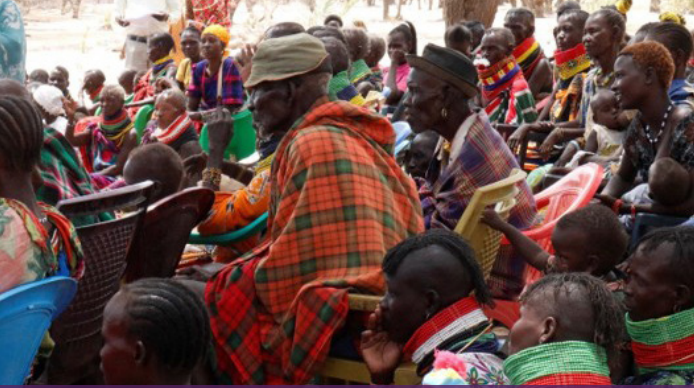
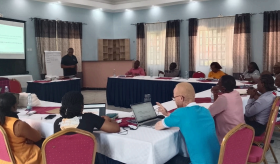
At the pastoral grounds of Thome wa Aklisto Pastoral Centre, officials, advocates and community leaders gathered recently in a demonstration of purpose: shaping a county law that reflects Kenya’s most ambitious disability-rights legislation yet. In a forum supported by the CARITAS Sisters, the Kitui Regional Office unveiled proposed amendments and additions to the existing Kitui County Disability Bill. The objective: align local policy with the newly enacted Persons with Disabilities Act, 2025 and ensure that no resident is left behind because of disability.
The national law, assented on 8 May 2025 and effective from 27 May, represents a historic overhaul. It enshrines broad protections for persons with disabilities (PWDs), including equality before the law, access to health, education, employment, public buildings, and social services — and mandates reasonable accommodation,accessibility standards, and social protection measures. Under the 2025 Act, both national and county governments are required to take active measures to implement disability rights — from accessible infrastructure and inclusive education to employment quotas and social support services.
For Kitui, revising the county bill is not merely a procedural formality. It is a necessary step to guarantee that the law’s promise translates into reality on the ground. Without county-level alignment, many provisions — such as accessible public buildings, inclusive transport, disability-responsive health services or social protection schemes — risk remaining aspirational rather than enforceable.
During the engagement at Thome wa Aklisto, NGEC-affiliated experts and local stakeholders examined gaps in the existing Bill. They emphasised that the revised version must reflect expanded definitions of disability, ensure barrier-free access, guarantee inclusion in employment and education, protect PWDs from discrimination or harmful practices, and grant access to assistive devices and support services.
Central to the proposed amendments is the expansion of rights and protections now guaranteed under the national law.These include but are not limited to: Equal access to public services and social amenities, including health, education and mobility. Legal protection from discrimination, abuse, neglect or exploitation. Mandated reasonable accommodation in employment, including modified work arrangements, assistive devices, and access to supportive measures. Inclusive education policies, ensuring children and youth with disabilities are not excluded from mainstream or specialized learning opportunities. Social protection and assistance — including free habilitation and rehabilitation services, provision of assistive devices, and support for caregivers.
During the meeting, participants also stressed the duty of public and private institutions — including county departments — to comply with accessibility and inclusion standards, strengthening accountability and reducing bureaucratic barriers. The engagement reflects the broader mandate of the National Gender and Equality Commission (NGEC) — to monitor, review and ensure compliance of all laws, policies, and practices with the constitutional principles of equality, non-discrimination and inclusion.