KISUMU, Kenya — Persistent delays in the justice system, inadequate survivor support services and weak referral mechanisms continue to undermine efforts to combat Gender-Based Violence (GBV) in Kisumu County, despite growing investment in multisectoral response systems, a multi-agency case conference has established.
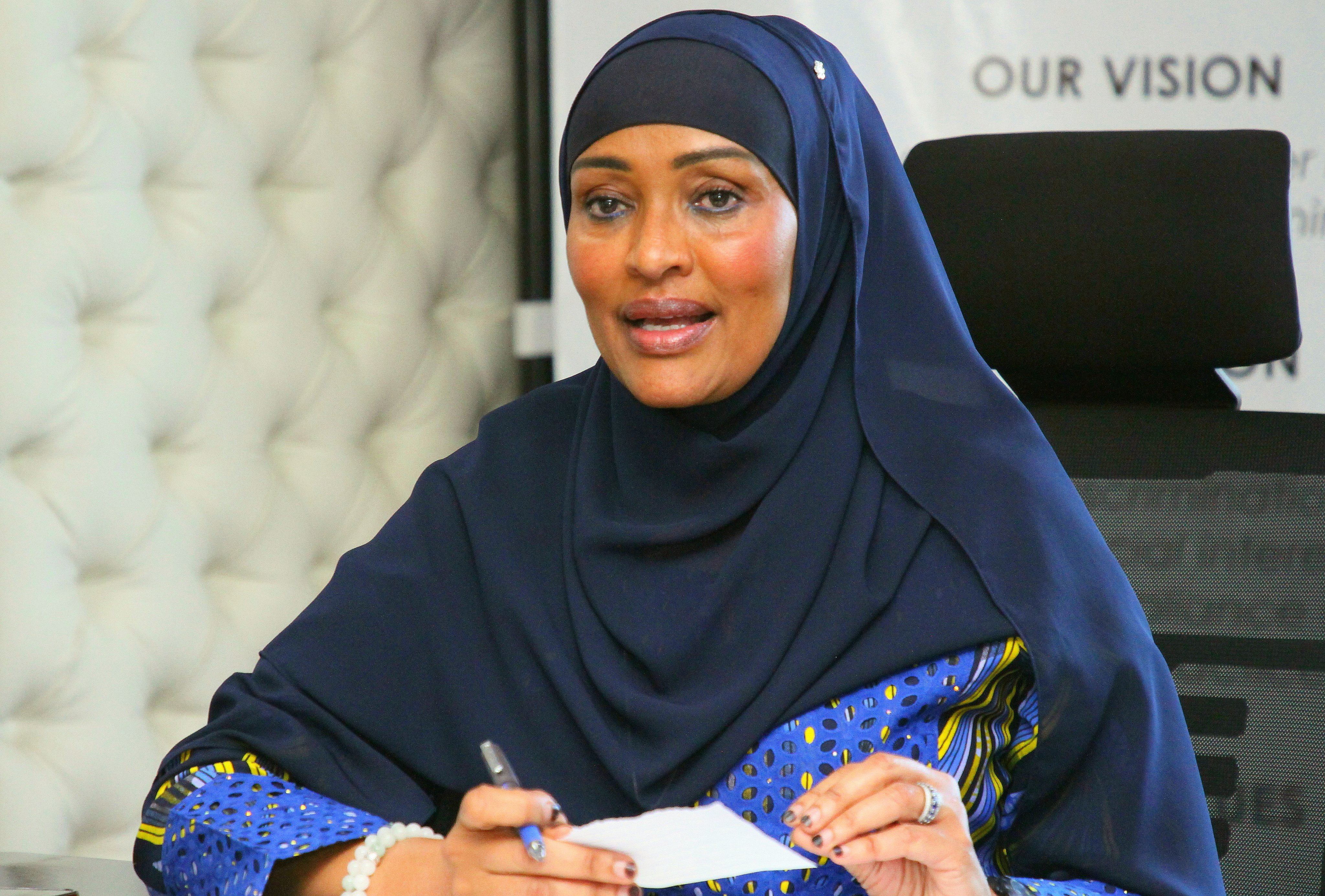
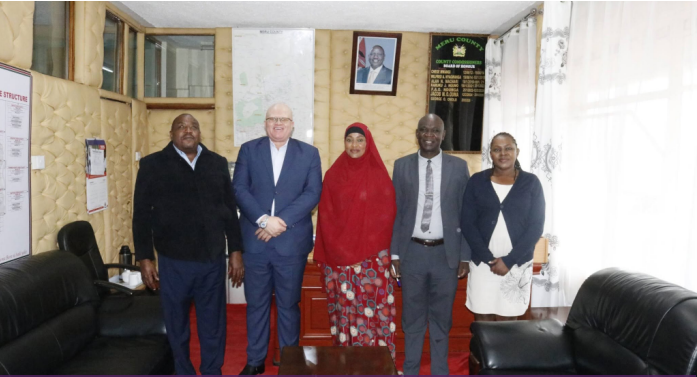
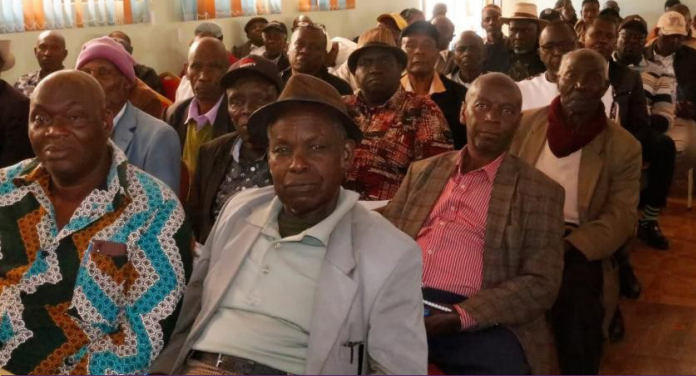
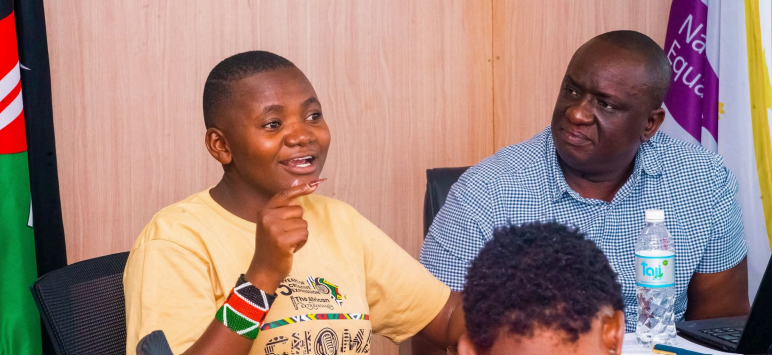
The Gender-Based Violence Case Conference, convened by the National Gender and Equality Commission's (NGEC) Kisumu Regional Office with support from Talanta Africa, brought together representatives from the justice sector, healthcare institutions, law enforcement agencies, county and national government departments, civil society organisations and community leaders to examine emerging GBV trends and strengthen coordinated responses for survivors.
The forum comes at a time when Kenya is intensifying efforts to strengthen survivor-centred services through integrated response models, including the expansion of Policare centres, Gender Violence Recovery Centres and child protection units aimed at providing survivors with medical, legal, psychosocial and investigative services under one roof.
Deliberations at the conference identified fear of stigma, lengthy court processes, inadequate psychosocial support and fragmented referral pathways among the major obstacles preventing many survivors from accessing timely justice and protection. Participants observed that while reporting mechanisms have improved, many survivors continue to face significant barriers in navigating multiple institutions before receiving comprehensive assistance.
The conference also highlighted the shortage of safe shelters across the county, noting that existing facilities often operate under considerable pressure. Particular concern was raised over the prolonged stay of child survivors in shelters while awaiting the conclusion of court proceedings, a situation that places additional strain on protection services and delays children's reintegration into family and community settings.
Stakeholders further called for stronger implementation of integrated response models such as Policare, which seek to reduce the burden on survivors by bringing police, health professionals, counsellors, forensic experts and other service providers together within a coordinated system.
The approach has increasingly been adopted nationally to minimise re-traumatisation, improve case management and strengthen access to justice for survivors of Sexual and Gender-Based Violence.
Data presented during the conference revealed a clear seasonal pattern in reported GBV cases, with incidents peaking in January, August and September, periods that coincide with school holidays. Intimate Partner Violence (IPV), defilement and other forms of Sexual and Gender-Based Violence remained the most frequently reported cases, reinforcing concerns about heightened risks for women, girls and children during school closure periods.
The findings prompted renewed calls for strengthened child protection systems, increased community vigilance and expanded public awareness campaigns targeting families, schools and communities before and during school holidays.
Participants noted that early intervention, timely reporting and coordinated community action remain essential in preventing violence before it escalates.
The conference also examined institutional coordination among agencies responsible for prevention, investigation, prosecution and survivor support. Discussions underscored the importance of harmonising referral pathways, improving information sharing and strengthening accountability across institutions to ensure survivors receive timely, dignified and comprehensive services.
Kenya has made significant policy and legal progress in addressing Gender-Based Violence through legislation, national action plans and commitments under the Generation Equality Forum, including the expansion of survivor protection centres and integrated response services.