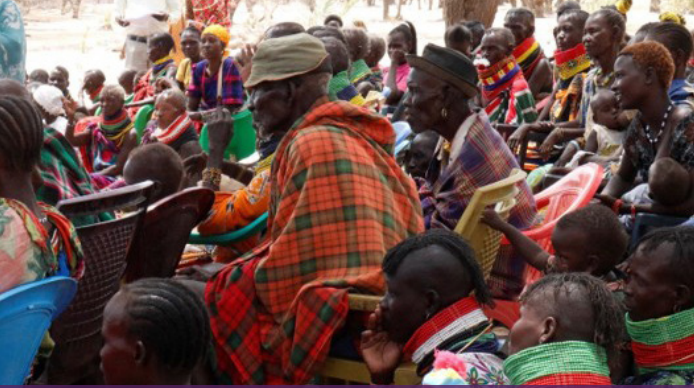
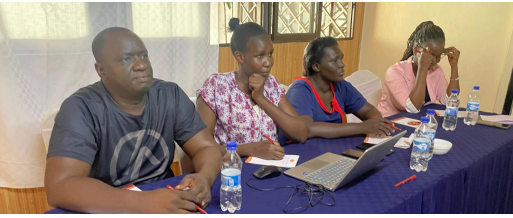
Isiolo — Traditional leaders, clan elders and customary arbitrators from across Isiolo converged for a two-day workshop that reshaped familiar roles and recast age-old authority as a force for protecting the county’s youngest and most vulnerable. The event, organized by the Isiolo Regional Office in partnership with Plan International Kenya, introduced referral pathways, gender-responsive strategies, inclusive care approaches and psychosocial support frameworks into discussions that until recently had been held mainly in clinics and county boardrooms.
The workshop treated customary institutions not as obstacles to modern child-rights frameworks but as essential partners in delivering them. Facilitators guided participants through scenarios in which chiefs, elders and traditional birth attendants became the first link in a chain that carried survivors of violence to services, connected families to early childhood development centers and ensured children with disabilities were enrolled and accommodated. By the close of the second day, many of those present described a shift in outlook: the authority that once punished could now protect.
Plan International Kenya’s regional coordinator framed the training as a practical step towards closing persistent gaps. Participants examined how gender norms influenced care at home and how referral systems could be made accessible to those often excluded from formal services, including nomadic families, persons with disabilities and girls at risk of dropping out of school. Trainers used role-play to demonstrate how an elder could accompany a parent to a clinic, how a clan meeting could be leveraged to expose harmful practices, and how community gatekeepers might flag cases to psychosocial support teams.
Traditional institutions pledged to integrate referral information into public pronouncements and clan meetings, to advise families where to seek help, and to partner with local health centres and education officers. Plan International Kenya and the Isiolo Regional Office are committed to follow-up support, promising mentorship and printed referral guides to reinforce the training. Participants acknowledged gaps in infrastructure, funding and staff capacity that could frustrate even the best intentions. Referral pathways remain only as effective as the services they lead to. Without reliable clinics, trained counsellors, or schools equipped for inclusive learning, a signed pledge could quickly become a paper promise.
County officials attending the event praised the emphasis on early childhood development (ECD). The county director responsible for social services noted that robust ECD interventions were vital to long-term social resilience. He explained that ensuring children received early stimulation, nutrition, and protection was not merely a moral obligation but a pragmatic investment in the county’s future. “When our children are safe, healthy and supported in their earliest years, we build a more stable, productive community,” he told participants.
Gender-responsive strategies animated candid debate. Women leaders in attendance challenged long-standing customs that limited girls’ access to education or normalized harmful practices. Men in the room listened as facilitators explained how shifts in customary messaging had reduced teenage pregnancies and improved school attendance in other counties.
Inclusion of persons with disabilities remained a sensitive but central strand of discussion. Facilitators urged participants to recognize physical and attitudinal barriers that prevented equal participation.
Isiolo’s two-day exercise underscored a truth too often overlooked: protecting children is not solely the work of agencies or counties but of communities themselves. The partnership between the Isiolo Regional Office and Plan International Kenya demonstrated that reform grounded in respect for tradition gains traction.