Nothing about us without us.” It was more than a slogan on Wednesday at the Kenya School for the Blind it was a resounding call to action that reverberated through crowded halls, dignified remarks, and solemn promises from leaders, partners, and advocates united in commemorating the International Day for Persons with Disabilities. The global day, observed annually on 3 December, champions the rights and well-being of persons with disabilities everywhere, highlighting the imperative of full and equal participation in society.
Against a backdrop of determination and reflection, the event convened stakeholders from government, civil society, and disability organisations to assess progress, confront persistent barriers, and reaffirm Kenya’s commitment to fostering inclusive societies where dignity is not an aspiration, but a lived reality.
The Kenya School for the Blind buzzed with life signs in braille, interpreters ready at hand, and dignitaries mingling with students and advocates whose lived experiences gave raw clarity to the day’s purpose.
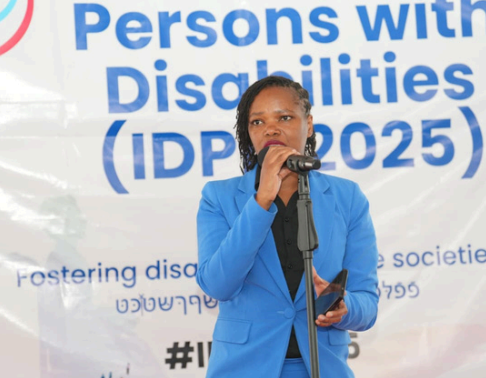
At the heart of the proceedings was CEO Dr. Purity Ngina, whose remarks struck a chord of urgency and hope. With a tone that blended candid appraisal and visionary leadership, she highlighted the strides made towards inclusion from policy reforms to local initiatives that have expanded access to education and public services. Yet she did not shy away from confronting persistent gaps that continue to deny persons with disabilities their rightful place in Kenyan society.
“We celebrate progress,” Dr. Ngina told the assembly, “but we must also acknowledge the distance yet to be travelled. Inclusion cannot be measured in occasional events alone; it must be woven into the very fabric of our laws, systems, and everyday consciousness.”
Participants underscored that physical access removing architectural barriers in schools, workplaces, and public spaces is only the beginning. True accessibility also encompasses information, communication, and technology that enable persons with disabilities to exercise agency and independence.
Beyond legal frameworks, many speakers emphasised the importance of societal attitudes. Inclusion must permeate everyday interactions in classrooms, workplaces, markets, and social spaces challenging stigma and fostering environments where persons with disabilities are seen first for their abilities and potential.
Inclusion must permeate everyday interactions in classrooms, workplaces, markets, and social spaces — challenging stigma and fostering environments where persons with disabilities are seen first for their abilities and potential.
the mood was resolute rather than celebratory. There was recognition that while strides have been made, the journey toward full inclusion — where persons with disabilities enjoy unfettered access to opportunities and dignity demands sustained commitment, strategic action, and continuous engagement from all sectors of society.
Dr. Ngina’s closing remarks captured this spirit: “Let today not be an end in itself, but a powerful beginning a moment that deepens our resolve, broadens our empathy, and strengthens our collective action so that no Kenyan is left behind.”