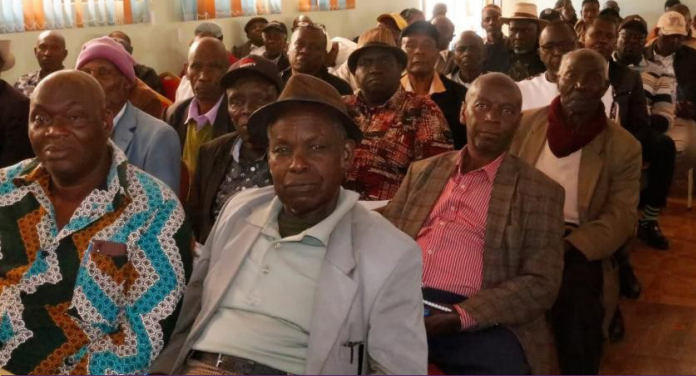
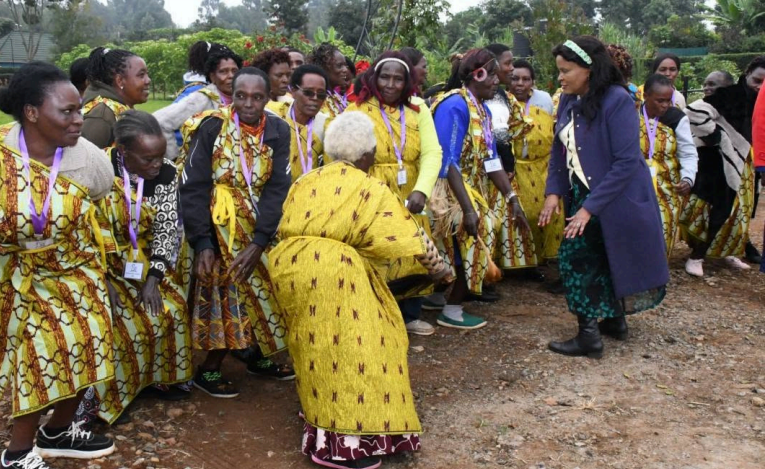
NYERI COUNTY, Kenya — Calls to strengthen legal protection, economic empowerment and social support for widows took centre stage in Karatina as the National Gender and Equality Commission (NGEC), in partnership with the Amani Foundation, commemorated the Post-International Widows Day 2026 under the global theme, "Invisible Women, Invisible Problems," and the national sub-theme, "Advancing Dignity, Justice, Protection and Economic Empowerment for Widows in Kenya." The event brought together more than 1,000 widows alongside national and county leaders, civil society organisations and development partners to examine the challenges widows continue to face and identify practical pathways for advancing their rights and wellbeing.
The commemoration highlighted widowhood as an important human rights, equality and development issue that continues to receive limited public attention despite its farreaching social and economic implications. Globally, the United Nations estimates that more than 258 million women are widows, many of whom experience poverty, discrimination, social exclusion and barriers to inheritance, land ownership, justice and economic opportunities following the loss of a spouse.
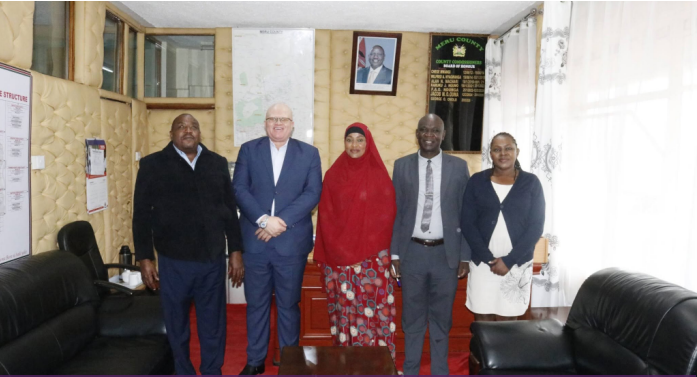
The event was attended by NGEC Commissioner Dr. Margaret Karungaru, local leadership and community representatives, with Mrs. Jackie Kiaraho, widow of the late Ol Kalou Member of Parliament David Kiaraho, serving as the chief guest. Her participation underscored the reality that widowhood affects women across all social, economic and professional backgrounds and reinforced the need for policies and support systems that protect the dignity and rights of every widow.
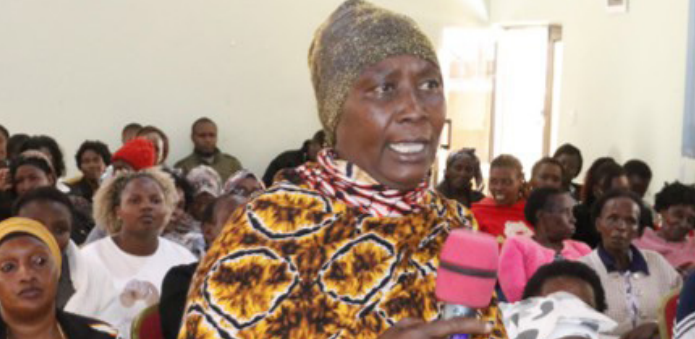
Throughout the engagement, widows shared personal experiences of life after the loss of a spouse, describing the psychological, emotional and financial challenges that often accompany widowhood.
Many also highlighted the complexities of family relationships following bereavement, including disputes over inheritance, property ownership, access to resources and changing household responsibilities.
The discussions reflected concerns that many widows continue to face economic insecurity, social isolation and discrimination despite constitutional guarantees of equality and legal protections. Participants observed that these challenges often limit access to livelihoods, education, healthcare and justice, affecting not only widows themselves but also the children and dependants under their care.
The dialogue further reinforced the importance of strengthening public awareness of widows' rights and improving implementation of existing legal and policy frameworks designed to protect women from discrimination, disinheritance and harmful cultural practices.
Participants emphasized that effective protection requires coordinated action involving government institutions, county governments, civil society organisations, faith-based organisations and local communities.
The Commission reiterated that protecting widows' rights forms part of its constitutional mandate to promote equality and freedom from discrimination and to safeguard the rights of Special Interest Groups. Through policy advocacy, public education, monitoring and strategic partnerships, the Commission continues to work towards eliminating structural barriers that prevent vulnerable populations from fully participating in Kenya's social, economic and political development.
Economic empowerment featured prominently in the discussions, with participants highlighting the importance of expanding access to financial inclusion, entrepreneurial opportunities, social protection programmes, vocational training, and sustainable livelihoods. They observed that strengthening women's economic independence enhances household resilience and contributes to broader community development.
The engagement also underscored the importance of providing psychosocial support and accessible justice mechanisms for widows, recognising that bereavement is often compounded by legal, financial and social challenges requiring comprehensive institutional responses.
The Karatina commemoration reflected growing recognition that widowhood should be addressed as a cross-cutting public policy issue that intersects with gender equality, social protection, economic inclusion and human dignity.