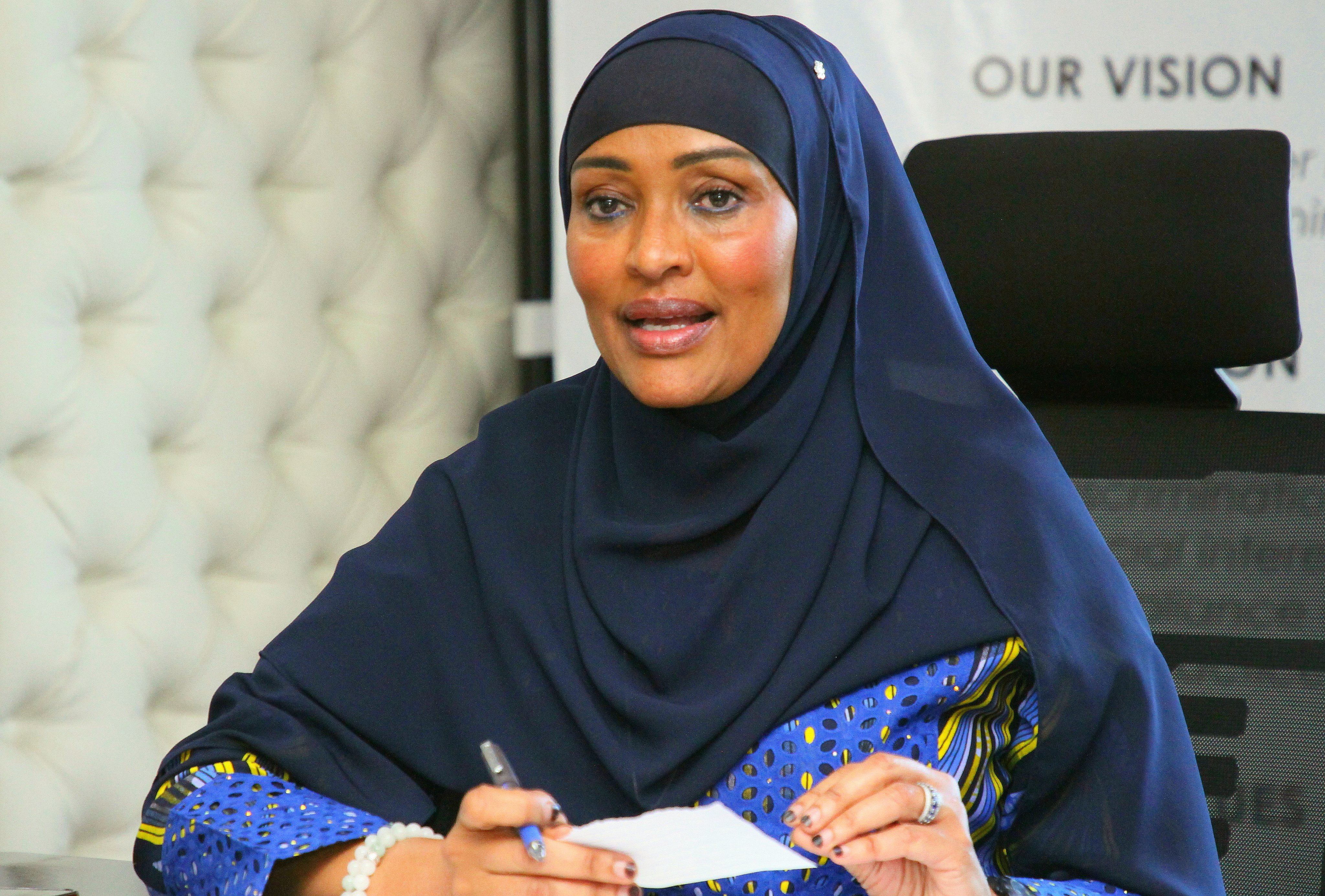
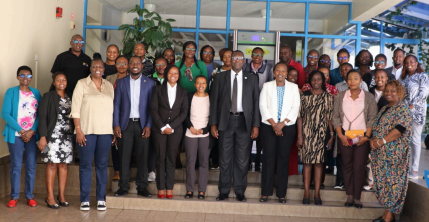
Efforts to strengthen the prevention and response to violence in schools have gained momentum in Nairobi following a technical working group meeting convened by the National Gender and Equality Commission (NGEC), in collaboration with Population Council Kenya and with support from Rise Up Together. The forum brought together state and non-state actors to deliberate on the development of a School-Related Gender-Based Violence (SRGBV) Reporting and Response Model for Nairobi County schools, amid growing concern over the persistence of violence within the basic education system and gaps in protection mechanisms for learners.
The engagement was anchored on three key evidence synthesis reports that guided discussions on the scope and nature of School-Related Gender-Based Violence in Kenya. The first presentation examined the prevalence and forms of SRGBV within the education sector, highlighting that learners continue to face multiple forms of violence that affect their safety, dignity and access to education. The second report reviewed existing legal and policy frameworks, outlining provisions designed to protect children and address violence in school settings while also identifying challenges in implementation.
The third presentation focused on current reporting and response mechanisms, assessing how cases of violence are reported, managed and escalated within education and protection systems. Together, the findings provided a comprehensive evidence base for identifying systemic weaknesses and informing the proposed reporting and response model. Stakeholders reaffirmed that gender-based violence and violence against children remain significant challenges within Kenya’s basic education system. Participants noted that incidents of violence within schools take multiple forms, affecting learners’ wellbeing, participation and academic performance. The discussions highlighted the urgency of strengthening institutional safeguards to ensure that schools remain safe and protective environments for all learners.
A key concern raised during the meeting was the existence of gaps in current reporting and response mechanisms for School-Related Gender-Based Violence. Participants noted inconsistencies in how cases are reported across institutions, alongside coordination challenges between key actors responsible for child protection and education oversight.
The discussions also highlighted delays in response processes and limited standardisation of reporting procedures, which were identified as barriers to effective case management. Stakeholders emphasised the need for a unified and structured reporting model to improve efficiency, accountability and survivor support. The review of legal and policy frameworks revealed that while Kenya has established provisions to address violence in schools, implementation gaps remain a major challenge.
Participants observed that existing frameworks require stronger operationalisation at institutional level to ensure effective protection of learners. The discussions underscored the importance of aligning policy provisions with practical mechanisms within schools, including reporting channels, response protocols and safeguarding procedures. The technical working group focused on the development of an inclusive School-Related Gender-Based Violence Reporting and Response Model tailored for Nairobi County schools.
The proposed model aims to streamline reporting pathways, strengthen coordination among stakeholders and improve response systems for survivors of school-related violence. Participants emphasised the importance of ensuring that the model is accessible, practical and responsive to the needs of all learners, including vulnerable groups. The model is also expected to enhance accountability by clearly defining roles and responsibilities for institutions involved in prevention and response.
The engagement brought together actors from government institutions, development partners and civil society organisations working in child protection, education and gender equality. Stakeholders noted that addressing School-Related Gender-Based Violence requires coordinated action across multiple sectors, including education, justice, health and social services.
The discussions highlighted the importance of sustained partnerships in strengthening prevention, reporting and response systems. The Commission reaffirmed its commitment to promoting equality, protecting children’s rights and strengthening safeguarding systems within education settings.
Through its collaboration with Population Council Kenya and other partners, the Commission continues to support initiatives aimed at improving protection mechanisms and ensuring safe learning environments.
The initiative aligns with broader national efforts to eliminate violence in schools and strengthen child protection systems across the country. The Nairobi technical working group meeting marked a significant step toward the development of a structured and inclusive School-Related Gender-Based Violence Reporting and Response Model. The evidence-based discussions highlighted persistent gaps in reporting and response systems, underscoring the need for coordinated reform within the education sector.
Stakeholders agreed that strengthening reporting mechanisms, improving policy implementation and enhancing institutional coordination are critical to ensuring safer and more protective learning environments for all learners in Kenya.