GARISSA, Kenya — Community leaders, refugees and representatives of host communities are strengthening their capacity to resolve disputes peacefully through a collaborative initiative aimed at enhancing social cohesion and promoting community-led conflict resolution in Garissa County.
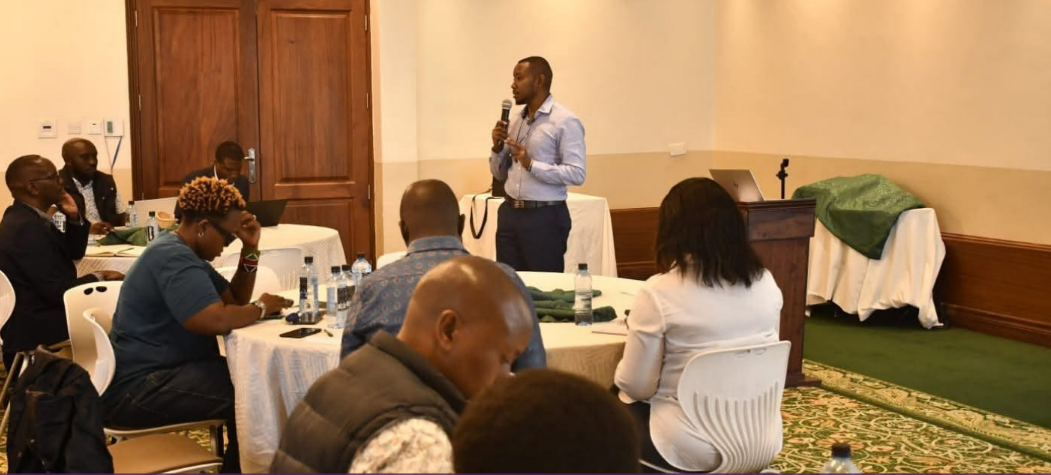
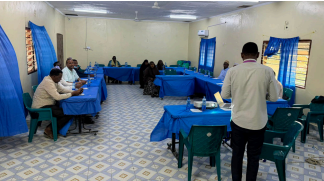
The Commission's Garissa Regional Office, in partnership with the Lutheran World Federation (LWF), conducted a capacity-building training on Peace Building and Alternative Dispute Resolution (ADR) mechanisms. The programme seeks to equip community actors with practical skills to prevent conflicts, strengthen dialogue and promote peaceful coexistence within refugee and host communities.
The training brought together traditional and clan leaders, religious leaders, paralegals, local administration officials, refugees and representatives of host communities, recognising the critical role these groups play in resolving disputes and maintaining stability at the community level.
The initiative comes at a time when humanitarian settings continue to face complex social, economic and environmental pressures that can increase tensions over access to resources, livelihoods and public services. In such contexts, strengthening local peace structures is increasingly recognised as an essential component of sustainable development, protection and social inclusion.
Alternative Dispute Resolution has become an important complement to formal justice systems, particularly in communities where traditional leadership structures continue to play a significant role in resolving local disputes. When applied in a manner that respects constitutional principles, human rights and equality, ADR can provide accessible, timely and culturally responsive mechanisms for addressing conflicts while strengthening community ownership of peacebuilding initiatives.
The engagement also highlighted the importance of ensuring that peacebuilding processes remain inclusive and responsive to the needs of women, persons with disabilities, older persons, young people and other groups that may face heightened risks during periods of conflict or displacement. Strengthening local dispute resolution mechanisms helps reduce vulnerability, improve protection and create safer environments where all members of the community can participate equally.
The collaboration between NGEC and the Lutheran World Federation reflects a shared commitment to strengthening community resilience through preventive approaches that prioritise dialogue over confrontation. By investing in local leadership and equipping communities with practical conflict management skills, the initiative aims to reduce the incidence of disputes while fostering mutual understanding between refugee and host populations.
The training further recognised that sustainable peace depends on strong community institutions capable of resolving disagreements fairly, protecting human dignity and promoting accountability.