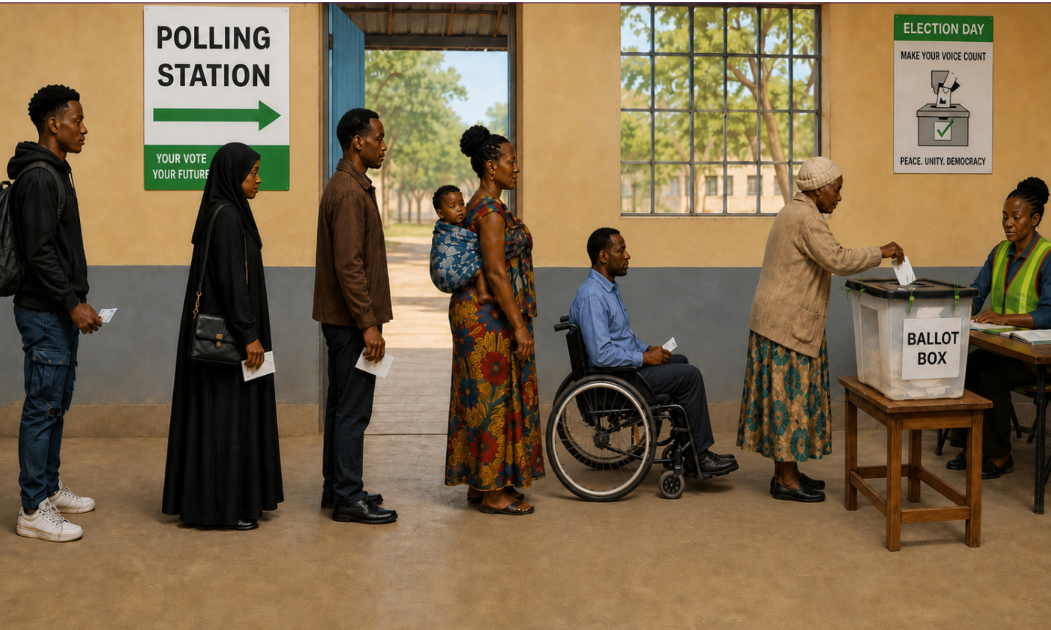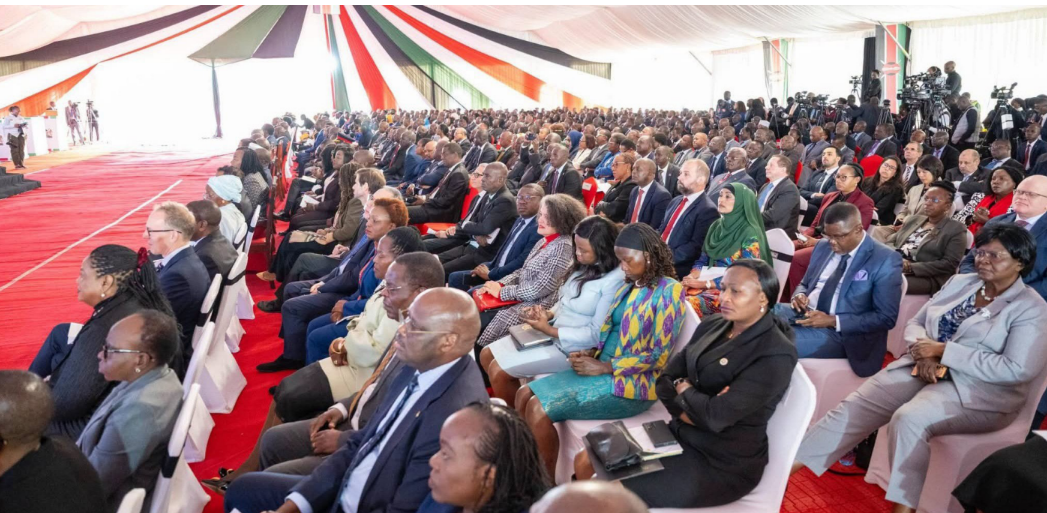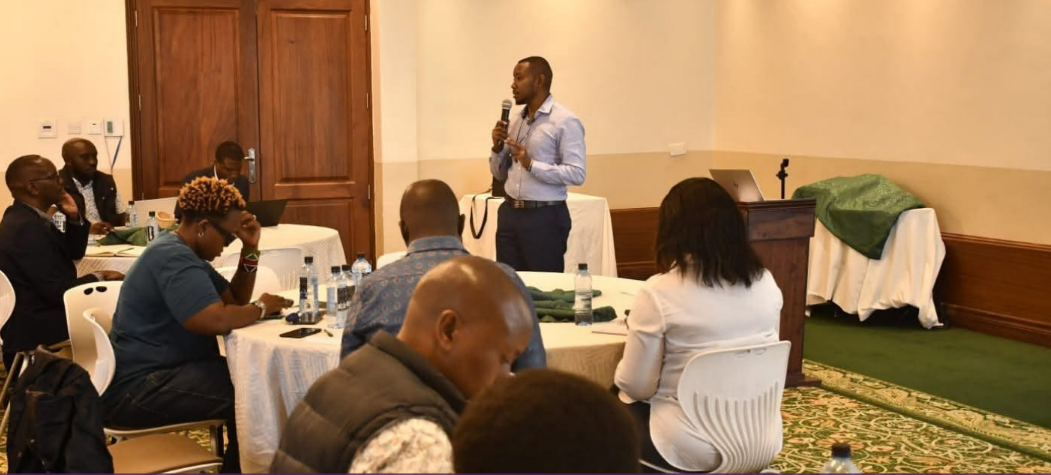
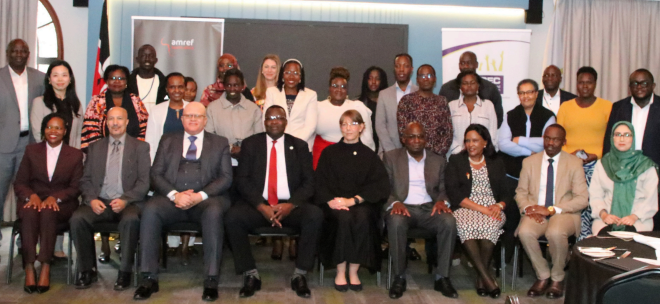
Kenya’s pursuit of equality and inclusion took a decisive step forward as the National Gender and Equality Commission (NGEC) convened a multi-stakeholder roundtable bringing together development partners, civil society actors, and government agencies. The forum served as a platform for collective reflection, coordination, and renewed commitment to ensuring that no one is left behind in the country’s development agenda.
The high-level engagement sought to establish a coordination mechanism for ongoing dialogue, identify priority areas for technical and financial collaboration, and create a comprehensive roadmap for the joint implementation of gender equality and inclusion initiatives.
Participants reaffirmed that the success of Kenya’s Vision 2030 and Sustainable Development Goals (SDGs) hinges on inclusivity — not as a peripheral concern, but as the foundation of national progress.
Speaking during the roundtable, NGEC Chairperson Hon. Rehema Jaldesa emphasized that gender equality is not an isolated agenda but a prerequisite for sustainable development, peace, and social justice. She underscored the power of partnerships in transforming policy commitments into tangible impact at the grassroots level.
“Inclusion is not a privilege; it is a right enshrined in our Constitution and a moral duty we owe to every Kenyan,” Hon. Jaldesa stated. “True progress will not be achieved until women, youth, persons with disabilities, older members of society, and marginalized communities are fully integrated into every sphere of national life. The roundtable demonstrates our shared resolve to move beyond rhetoric — to translate equality from aspiration into daily experience.”
She further highlighted NGEC’s central role as a bridge between policy and practice, saying the Commission is committed to fostering datadriven approaches, evidence-based advocacy, and partnerships that generate measurable outcomes.
“Our task as a Commission is to bring voices from the margins to the centre of decisionmaking,” she continued. “We must strengthen coordination across institutions to dismantle systemic barriers that perpetuate exclusion. When equality becomes part of how government plans, budgets, and delivers services, it ceases to be a slogan and becomes a lived reality for every citizen. Our collective responsibility is to ensure that this vision of inclusivity defines Kenya’s development journey.”
The Chairperson’s remarks resonated deeply with representatives of civil society and development partners, who commended NGEC’s leadership in championing cross-sectoral collaboration. They emphasised that advancing gender justice requires shared accountability, sustained investment, and a unified voice that advocates for equitable access to opportunities.
Discussions also explored how alignment between county and national priorities can enhance the implementation and monitoring of equality programmes. Participants agreed that inclusive governance must reflect community needs — especially the lived experiences of women and marginalised populations — through participatory planning and representation in leadership.
What emerged from the forum was a collective resolve to turn collaboration into measurable impact, ensuring that the gains of development reach even the most marginalised communities. Stakeholders agreed that the road ahead demands consistency, political goodwill, and a sustained commitment to dismantling systemic inequalities.
For NGEC and its partners, this moment marked more than a meeting — it was a reaffirmation of Kenya’s promise to its people: that progress will not be built on exclusion, but on equity, justice, and shared opportunity.