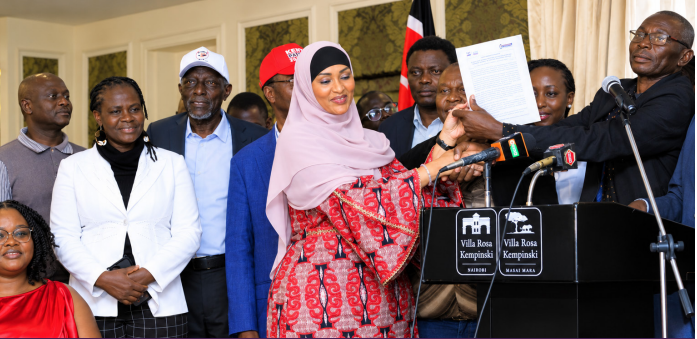
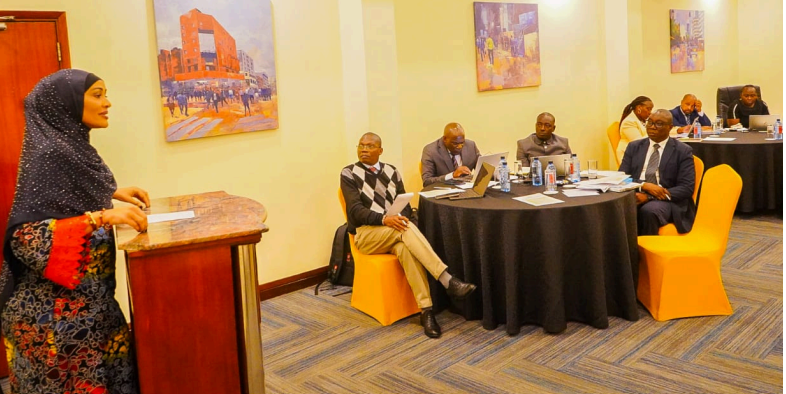
Nairobi, Kenya — The National Gender and Equality Commission (NGEC) has joined hands with state agencies and civil society partners in a milestone move to advance the rights of minorities and marginalised groups in Kenya. The gathering in Nairobi saw the presentation of a draft Policy on Ethnic Minorities and Marginalised Communities, developed in collaboration with the Kenya Institute for Public Policy Research and Analysis (KIPPRA), the Office of the Attorney General, the Minorities and Marginalised Unit, Kenya Law Reform, and the Mainyoito Pastoralist Integrated Development Organisation (MPIDO).
The policy seeks to give practical expression to Article 56 of the Constitution, which guarantees special opportunities in education, economic activity, employment, health, and cultural life for minorities and marginalised groups. Stakeholders noted that more than a decade after the promulgation of the 2010 Constitution, translating these provisions into tangible benefits remains uneven, particularly in remote and underserved regions.
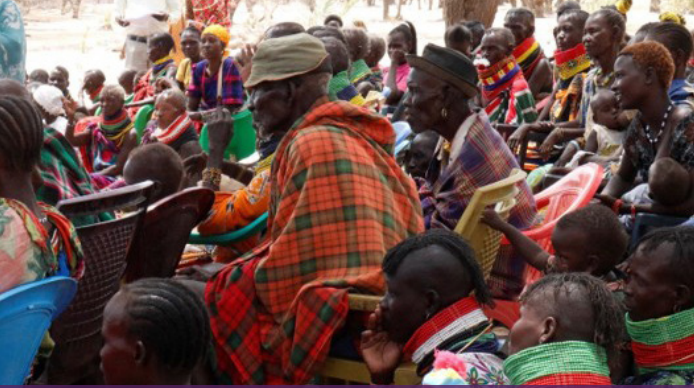
The Commission emphasised that the draft policy represents not just a legal instrument but a vehicle for social justice. By addressing long-standing structural exclusions, the policy aims to strengthen access to public services, safeguard cultural identity, and expand representation in decision-making spaces. The discussions underscored that communities historically excluded from mainstream development— including pastoralists, hunter-gatherer groups, and ethnic minorities—continue to face disproportionate challenges in education, health, and political participation.
Representatives from the Kenya Law Reform Commission and the Attorney General’s Office emphasised the importance of integrating the policy within Kenya’s broader legal and governance framework. They stressed that the draft will undergo a consultative process to ensure that voices from affected communities are captured and reflected in its final form. This approach, they said, is critical to building legitimacy and ensuring effective implementation.
KIPPRA analysts presented data showing that marginalised communities consistently rank below national averages in literacy, life expectancy, access to water, and household incomes. These disparities, they noted, are not merely statistical but point to systemic gaps that require policy attention at both county and national levels. The policy is expected to outline specific interventions designed to bridge these gaps, including targeted investments in infrastructure, affirmative action in recruitment, and tailored education programmes.
Civil society voices, led by MPIDO, emphasised the importance of preserving Indigenous knowledge and cultural practices within the policy framework. They argued that development must not come at the cost of identity and autonomy, but instead recognise diversity as a national strength. Participants also drew attention to the vulnerability of marginalised groups to climate shocks, noting that policies must incorporate resilience-building strategies in line with Kenya’s climate commitments.
For NGEC, the draft policy represents continuity in its mandate to promote equality and nondiscrimination across all spheres of life. Officials reiterated the Commission’s commitment to ensuring that marginalised voices are amplified in policymaking and that constitutional promises move from paper to practice.
The Nairobi forum brought together policymakers, legal experts, researchers, and community representatives in a rare convergence of perspectives on the future of inclusivity in Kenya. The presentation of the draft policy was widely acknowledged as an important step in addressing historic inequities and in giving effect to constitutional guarantees for minorities and marginalised groups.