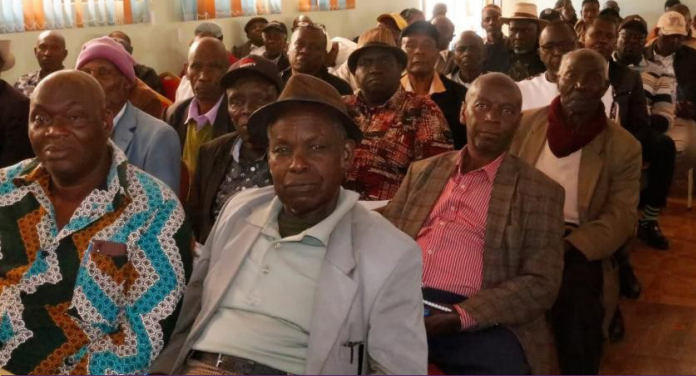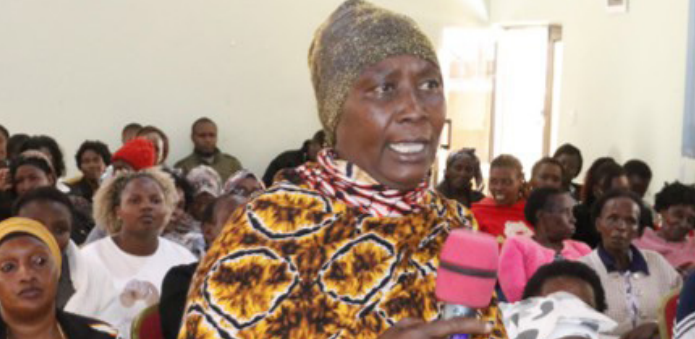
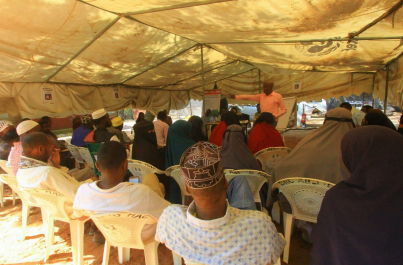
GARISSA COUNTY, Kenya -Community and religious leaders, men and adolescent boys gathered at Hagadera Refugee Camp in Garissa County for a dialogue aimed at strengthening women's participation in decision-making, challenging harmful gender norms and promoting positive masculinity as a strategy for advancing gender equality and building more inclusive communities.
The engagement, convened by the National Gender and Equality Commission (NGEC) in partnership with Pastoralist Girl and Irish Aid, brought together influential community actors to examine the social norms and cultural practices that continue to limit the participation of women and girls in leadership, household decision-making and community development.
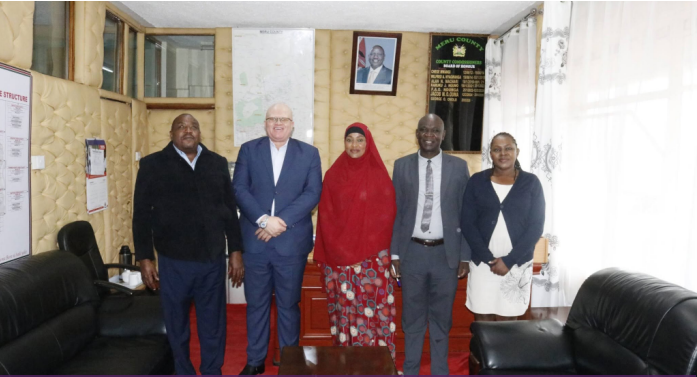
Representing the Commission, Garissa Regional Head Abdiwahab Ibrahim reaffirmed the importance of community-led dialogue in advancing equality and freedom from discrimination. He noted that achieving sustainable social change requires the active participation of men, boys, community leaders and religious leaders alongside women and girls in promoting respectful, equitable and inclusive societies. Discussions focused on strengthening women's and girls' voice and agency within families and communities while encouraging men and boys to become partners in advancing gender equality.
Participants explored practical approaches to addressing discriminatory social norms, preventing gender-based violence and creating environments where women and girls can participate fully in decisions that affect their lives.
The dialogue also examined the role of positive masculinity in promoting healthier relationships, shared responsibility within households and greater respect for the rights and dignity of women and girls. Participants recognised that engaging men and boys as allies is essential to transforming attitudes and behaviours that perpetuate inequality and exclusion.
Held within the Dadaab refugee complex, the engagement addressed issues that are particularly relevant in humanitarian settings, where displacement, economic hardship and social disruption can heighten protection risks for women and girls.
Stakeholders underscored the need to strengthen community-based approaches that promote social cohesion, prevent violence and support inclusive decisionmaking among both refugee and host communities. Community and religious leaders acknowledged their influence in haping public attitudes and committed to supporting initiatives that promote respect, shared responsibility and equal opportunities for women and girls. The dialogue recognised that sustainable progress requires collaboration between public institutions, civil society organisations, local leadership and communities themselves.
For the Commission, the engagement forms part of its constitutional mandate to promote equality and freedom from discrimination while advancing the rights of Special Interest Groups.
Through strategic partnerships and community engagement, the Commission continues to support interventions that address the root causes of gender inequality and strengthen the protection of women and girls across diverse social and humanitarian contexts. The dialogue reinforced the importance of sustained community engagement in challenging harmful gender norms and strengthening inclusive leadership.