At a time when Kenya continues to grapple with persistent inequalities, rising cases of gender-based violence and growing demands for more inclusive governance, the National Gender and Equality Commission (NGEC) has sought to place equality and social justice firmly at the centre of the national agenda.
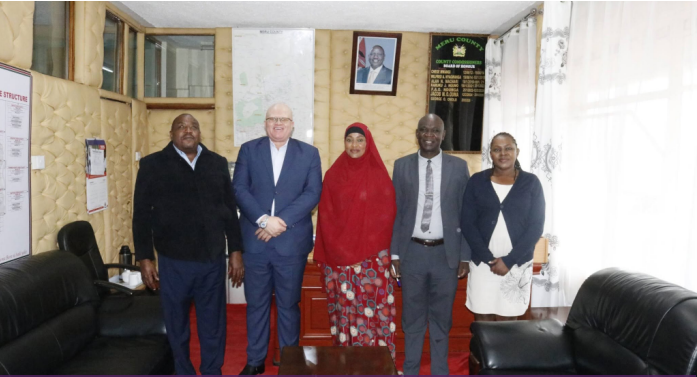
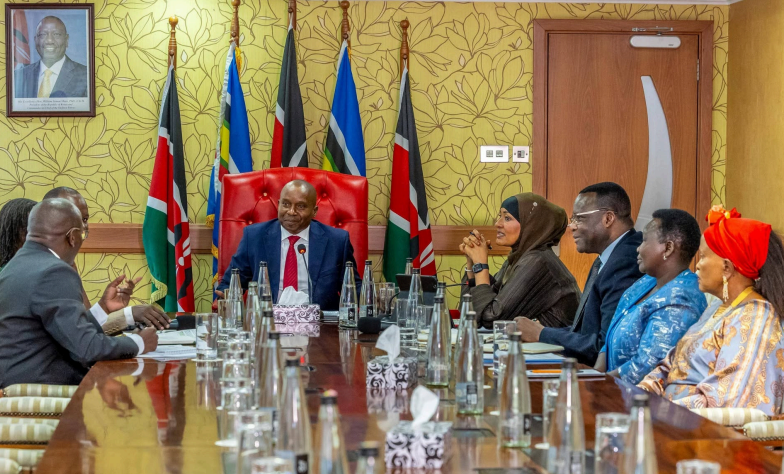
During a high-level courtesy call led by NGEC Chairperson Hon. Rehema Jaldesa at Harambee House Annex, H.E. Hon. Prof. Kithure Kindiki, EGH, Deputy President of the Republic of Kenya, reaffirmed the Government's commitment to ensuring that constitutional guarantees of equality translate into meaningful change in the daily lives of all Kenyans.
The meeting brought together the country's second-highest office and the constitutional commission mandated to promote equality and freedom from discrimination, creating an opportunity to assess progress made, confront persistent barriers and identify practical pathways for strengthening protection and inclusion for women, children, youth, persons with disabilities, older members of society, minorities and marginalised communities.
The engagement provided a platform to reflect on the milestones achieved in advancing equality and inclusion, while candidly examining the challenges that continue to hinder the full realisation of constitutional rights for Special Interest Groups.
The meeting also addressed the urgent need to intensify efforts to combat gender-based violence, including the growing crisis of femicide. Recent months have seen increasing public concern over violence against women and girls, prompting renewed calls for stronger prevention measures, survivorcentred responses and institutional accountability. The Deputy President underscored the importance of coordinated national interventions to strengthen protection systems and improve outcomes for survivors.
The Commission reiterated that violence undermines equality, dignity and development, and called for sustained collaboration among government institutions, communities and other stakeholders to address both the immediate manifestations and root causes of violence. The engagement further highlighted the importance of strengthening interventions aimed at protecting minorities and marginalised groups from exclusion and discrimination.
The Leaders acknowledged that historical inequities continue to affect many communities and emphasised the need for targeted measures that promote inclusion, equal opportunities and meaningful participation in national life. The Commission reaffirmed that addressing structural inequalities remains central to its constitutional mandate.
Deputy President Kindiki also reaffirmed the Government's commitment to closer collaboration between the Commission and State departments. He noted that stronger coordination would improve efficiency in service delivery, enhance the impact of interventions and eliminate duplication of mandates across institutions.
The discussions reflected a shared understanding that achieving equality outcomes requires a whole-of-government approach, with institutions working in complementarity rather than isolation. The Deputy President underscored the indispensable role of independent constitutional commissions in strengthening accountability, constitutionalism and inclusive governance. He emphasised the importance of safeguarding NGEC's autonomy as it executes its mandate to promote equality and protect vulnerable groups. The recognition of independent oversight institutions was viewed as critical to ensuring public trust, transparency and the effective protection of rights.
Speaking after the engagement, NGEC Chairperson Hon. Rehema Jaldesa expressed appreciation for the Deputy President's support towards advancing the equality and inclusion agenda."Our diversity is one of Kenya's greatest strengths. No one should be excluded because of their gender, age, disability, ethnicity or social status.
Inclusive development is both a constitutional obligation and a prerequisite for sustainable national progress,” Hon. Jaldesa stated.
Discussions acknowledged that despite notable gains in legal and policy reforms, many Kenyans still experience discrimination, exclusion and unequal access to opportunities and services. Women continue to face barriers to leadership and economic participation. Persons with disabilities encounter challenges in accessing services and infrastructure.
Minority and marginalised communities remain vulnerable to historical exclusion, while children, older persons and young people continue to face unique protection concerns. The Commission highlighted the importance of sustaining momentum towards substantive equality, noting that constitutional commitments must ultimately be reflected in improved outcomes and lived experiences.
Deputy President Prof. Kithure Kindiki reaffirmed that equality and social inclusion remain central aspirations of Kenya's development agenda. He called for deliberate and sustained efforts to ensure that no Kenyan is left behind, underscoring the need to move beyond policy intentions towards tangible outcomes that improve people's lives.
The Deputy President emphasised that responsive public policies, inclusive governance systems and stronger protection mechanisms are essential to safeguarding vulnerable populations and promoting national cohesion.
Among the key areas of engagement was a renewed commitment to marshal collective national efforts towards the implementation of the constitutional two-thirds gender principle. More than a decade after the promulgation of the Constitution of Kenya 2010, the principle remains one of the country's most significant unfinished constitutional obligations.
The discussions recognised that achieving equitable representation requires political goodwill, legislative action and sustained advocacy across all sectors of society. For NGEC, the realisation of the two-thirds gender principle remains fundamental to ensuring that women participate meaningfully in decision making processes and that leadership structures reflect the diversity of the Kenyan population.
The courtesy call between NGEC and the Deputy President's Office therefore represented more than an exchange of goodwill. It reflected an acknowledgement that the work of building an inclusive Kenya remains unfinished.
As the country continues to navigate economic pressures, shifting social dynamics and emerging inequalities, the challenge before leaders and institutions is clear: to ensure that the constitutional promise of equality and freedom from discrimination is not reserved for a few but becomes an enduring reality for every Kenyan. The message emerging from Harambee House Annex was unequivocal. Kenya's development journey can only be complete when every person regardless of gender, age, disability, ethnicity or background can live with dignity, access equal opportunities and participate fully in the life of the nation.