
In Kenya’s coastal borderlands, insecurity leaves scars that extend far beyond physical violence. In Lamu County, it has taken a quieter but equally devastating form exposing women and girls to heightened risks of sexual and gender-based violence, weakening protection systems and silencing survivors.
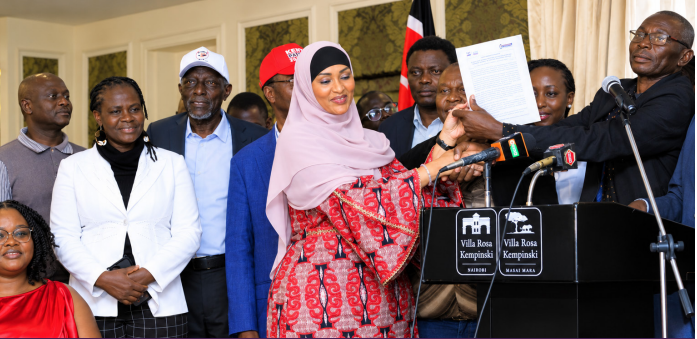
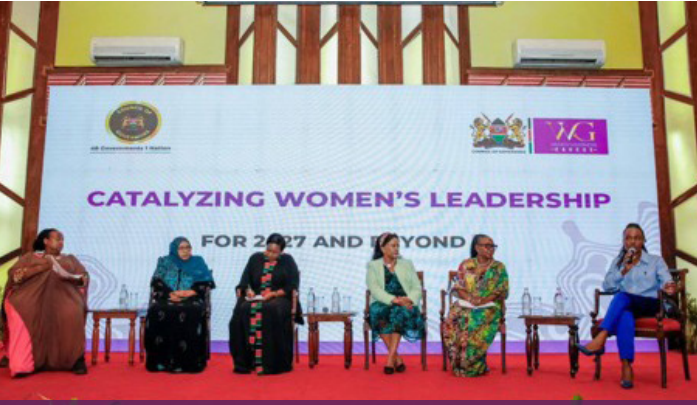
It is against this backdrop that the National Gender and Equality Commission (NGEC), through its Malindi Regional Office, convened a high-level policy dialogue in partnership with Muslim Women Advancement of Rights and Protection (MWARP), bringing together Members of the County Assembly and select State officers from Lamu County. The engagement was a deliberate attempt to shift the conversation from reaction to prevention, and from isolated interventions to systemic reform.
At the center of the dialogue were findings from the Amani Mpakani Initiative (2025), a five month programme implemented in Lamu East Sub-County. The evidence presented laid bare the link between persistent insecurity in border regions and the escalation of sexual and gender-based violence.
Recognizing the central role of county governments in reversing this trend, the Commission facilitated an in-depth session on Gender Equality and Social Inclusion, aimed at strengthening the capacity of MCAs to embed gender-responsive planning, budgeting and participatory decision-making into county governance.