The struggle for gender equality in Kenya is often debated in policy papers and parliamentary chambers. But on a warm March morning in Tharaka Nithi County, that national conversation found its truest expression far from the corridors of power.
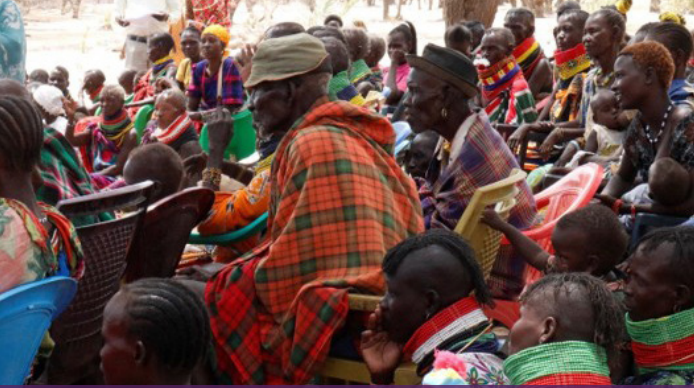
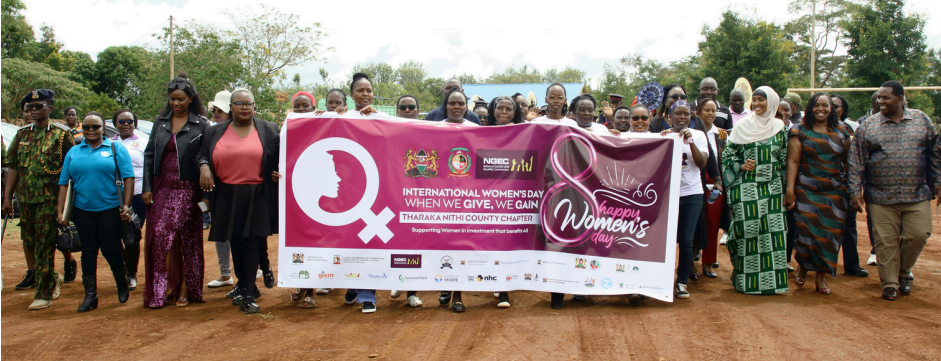
At Mbwiru Primary School, hundreds of women, girls and community members gathered not simply to commemorate International Women’s Day, but to confront a question that continues to shape the country’s future: what does equality truly look like in the everyday lives of Kenyan women?
The outreach forum, organized by the National Gender and Equality Commission (NGEC) in partnership with government institutions, development partners and community stakeholders, turned the rural school into a platform for both reflection and action.
It was a reminder that the promise of equality written in Kenya’s Constitution must ultimately be realized in villages, homes and schools across the country.
From celebration to tangible support For many residents of Tharaka Nithi, the commemoration delivered more than speeches and symbolism. Across the school grounds, women sought medical consultations and received health services that are often difficult to access in rural areas. Others turned to legal aid clinics for guidance on family disputes, land ownership and inheritance rights — issues that continue to disproportionately affect women.
Young girls gathered for mentorship sessions, listening to conversations about leadership, education and personal safety. These practical interventions reflected a deliberate shift in how institutions approach gender equality — moving beyond awareness to direct service delivery that responds to real community needs.
The event drew strong local leadership, with Tharaka Nithi Deputy Governor H.E. Nyaga Muisrael and Chuka/Igambang’ombe Member of Parliament Hon. Patrick Munene joining residents for the commemoration.
Their participation underscored the role of both national and county leadership in shaping policies that expand opportunities for women and girls.
Their participation underscored the role of both national and county leadership in shaping policies that expand opportunities for women and girls.
In Kenya, the message has been reinforced through the campaign “Give to Gain,” which frames investment in women as a foundation for national progress rather than a social obligation.
Delivering the keynote address, NGEC Chairperson Hon. Rehema Jaldesa emphasised that empowering women is central to building a stronger and more prosperous nation.
Investing in women, she said, strengthens families, expands economic opportunities and protects the future of girls.
The Commission’s presence in Tharaka Nithi, she explained, reflects its constitutional mandate to promote equality, prevent discrimination and safeguard the rights of special interest groups, including women, youth, persons with disabilities and marginalised communities.
International Women’s Day, she said, must therefore serve not merely as a celebration but as a call to sustained action.
Confronting the shadow of violence Even as the event celebrated women’s achievements, it also confronted a persistent challenge that continues to affect families across the country — gender-based violence.
Domestic abuse, sexual violence, emotional manipulation and economic control remain among the most serious threats to the safety and dignity of women and girls.
Addressing the gathering, Hon. Jaldesa stressed that violence within families must never be dismissed as a private matter.
It is a violation of constitutional rights and a threat to community stability. Survivors, she said, must feel empowered to report abuse and seek support from institutions mandated to protect them.
Community leaders, elders and religious figures were also urged to take a stronger stand against harmful cultural practices and to promote respect, dignity and lawful conflict resolution within families.
Equality requires partnership Speakers at the event also emphasised that the pursuit of gender equality cannot fall solely on women. Men and boys, they said, must actively participate in challenging attitudes and traditions that perpetuate discrimination and violence.
The call was framed as a partnership rather than a confrontation — a recognition that equality benefits entire communities by strengthening families and fostering social stability.
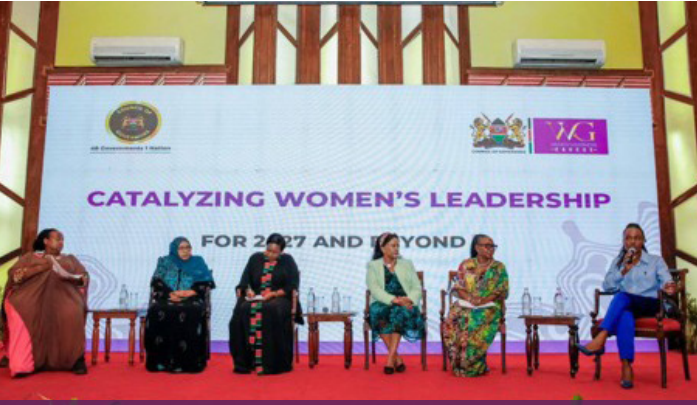
The road to 2027 Beyond social issues, discussions in Tharaka Nithi also turned to Kenya’s political future. With the 2027 General Election approaching, leaders warned that women must not remain on the margins of political decision-making.
Despite constitutional provisions requiring that no gender occupies more than two thirds of elective or appointive positions, the country has struggled to achieve that threshold.
Hon. Jaldesa urged political parties to open space for women candidates and ensure fair nomination processes free from intimidation or discrimination.
Women from diverse backgrounds — including young women, women with disabilities and those from rural and marginalised communities — must be supported to compete for leadership positions.
Electoral institutions were also challenged to ensure elections are accessible, safe and transparent for all citizens. The goal, she said, is for Kenya to achieve the two-thirds gender principle through electoral outcomes themselves rather than relying on corrective nominations.
The outreach programme also demonstrated the value of collaboration between institutions working toward social inclusion. Several government agencies and partners contributed resources to support the event, including mobility aids for persons with disabilities, tree seedlings for environmental conservation, and food supplies for vulnerable households.
For beneficiaries, these contributions represented more than assistance. They symbolized dignity, recognition and the For beneficiaries, these contributions represented more than assistance. They symbolized dignity, recognition and the For beneficiaries, these contributions represented more than assistance. They symbolized dignity, recognition and the beyond reach.
Each intervention illustrated how institutional partnerships can translate policy commitments into real change.