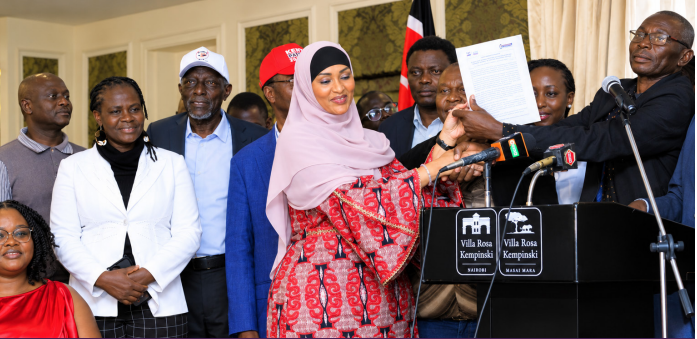
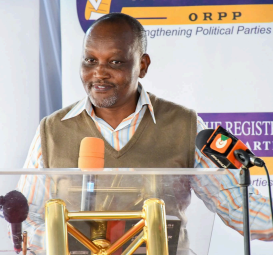
In the unfolding story of Kenya’s democracy, the most significant shifts are often quiet ones—marked not by rallies or campaign slogans, but by institutional steps that bring governance closer to the people. In Machakos, such a moment took shape with the official launch of the Office of the Registrar of Political Parties (ORPP) Regional Office, a move expected to strengthen party governance and widen democratic participation across the Lower Eastern region.
The event drew key stakeholders from the political, governance, and civil society sectors, among them the National Gender and Equality Commission (NGEC), represented by its Kitui Regional Office. Their presence underscored the deeper meaning behind the launch: that democracy is not merely about elections, but about building systems that guarantee equality, inclusion, and fair participation for all citizens.
As Kenya inches toward the next General Election cycle, the decentralisation of critical democratic institutions is being viewed as both timely and necessary. For years, access to political party regulatory services has largely been concentrated in major urban centres. Smaller parties, grassroots movements, and political actors in counties far from Nairobi have often faced logistical and administrative barriers in meeting compliance requirements.
The establishment of the Machakos regional office is intended to bridge that gap. By moving services closer to political stakeholders in the Lower Eastern counties, the ORPP aims to ease access to registration processes, compliance support, dispute resolution, and civic education.
Officials at the launch noted that decentralisation is a critical step in nurturing a healthier multiparty system. Political parties, they said, are the backbone of representative democracy—and their internal governance must reflect the constitutional principles of transparency, fairness, and inclusivity. The launch also provided a platform to reaffirm the centrality of the Political Parties Act, the legal framework that guides the formation, regulation, and funding of political parties in Kenya.
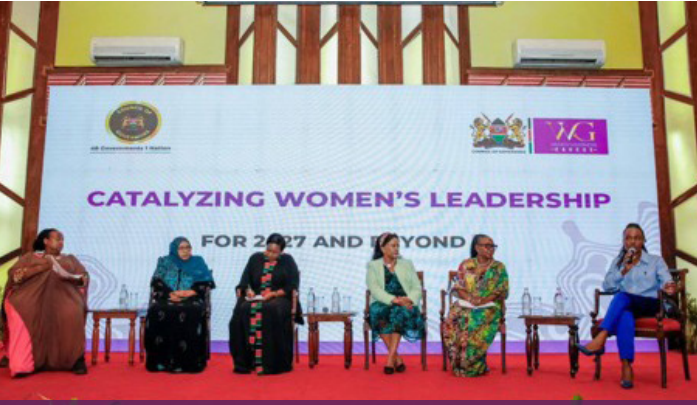
Stakeholders emphasised that compliance is not a mere technical requirement. It is a safeguard for democracy itself. Political parties are expected to operate with internal democracy, respect for diversity, and transparent management of their affairs. As conversations at the event revealed, the spirit of the law is just as important as its letter. Parties are being called upon to create leadership pathways that reflect the country’s social fabric, rather than reproducing old hierarchies and exclusions. At the heart of the discussions was a recurring concern: the persistent underrepresentation of special interest groups within political party structures.
Women, youth, persons with disabilities, minorities, older persons, and other marginalised communities continue to face barriers in accessing party leadership positions and elective seats. High nomination fees, limited access to campaign financing, cultural biases, and lack of political mentorship remain significant obstacles.The NGEC reiterated the constitutional obligation to uphold equality and non-discrimination, reminding parties that inclusive participation is not an act of charity—it is a legal and moral duty.