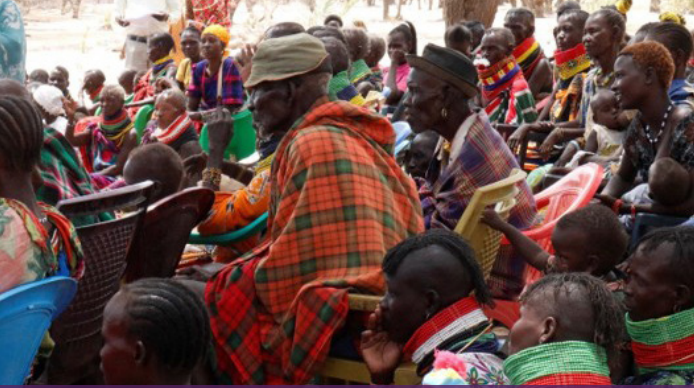
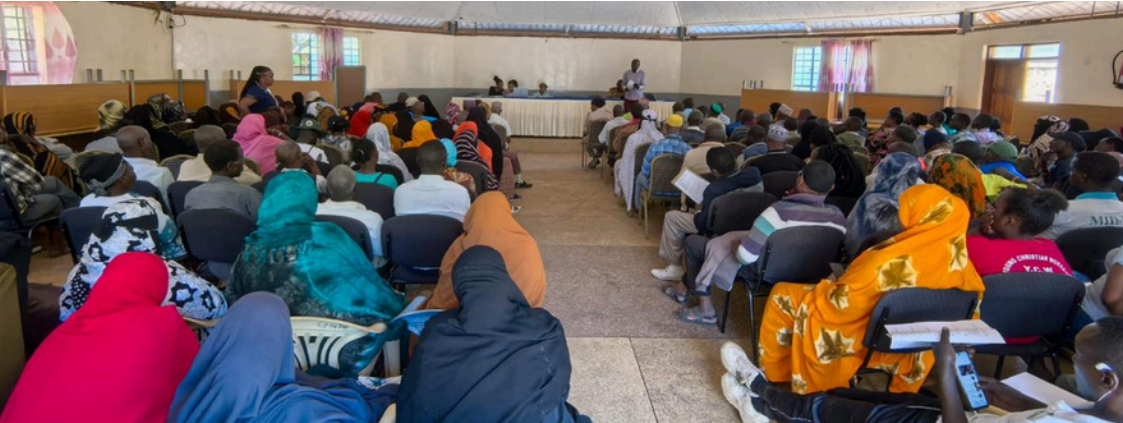
In a landmark step toward strengthening inclusion and social justice, the National Gender and Equality Commission (NGEC) has joined ongoing nationwide public participation forums on the Draft National Policy and Bill on Ethnic Minorities and Marginalised Communities. The exercise, convened by the Executive Office of the President through the Minorities and Marginalized Affairs Unit (MMAU), is giving Kenyans from historically underrepresented communities a rare and vital platform to shape policies that directly affect their lives.
Across 11 regions, representatives of minority and marginalised groups are coming together to share their lived experiences, aspirations, and challenges ensuring that the voices long pushed to the periphery of development are finally heard at the centre of national decision-making. The engagement reflects a renewed national commitment to equality, inclusion, and participatory governance as enshrined in Kenya’s Constitution.
During the sessions, community representatives presented memoranda outlining the barriers their communities continue to face from limited access to education, healthcare, and infrastructure, to underrepresentation in leadership and employment. Their submissions will form part of the national discourse informing the finalization of the National Policy and Bill on Ethnic Minorities and Marginalised Communities (EMMCs).
The Commission underscored the importance of these perspectives in shaping an inclusive policy framework that guarantees equal participation in national and county governance. “Public participation is not a formality; it is the essence of democracy,” noted one of the facilitators. “When citizens contribute to the laws and policies that govern them, those frameworks become stronger, fairer, and more reflective of the nation’s diversity.”
In the coastal region, the Commission’s Malindi Regional Office held a sensitisation forum with the Watta community at Sea Breeze Hotel — an essential prelude to the public participation forum scheduled for the following day. The session created space for open dialogue, helping community members understand the purpose and implications of the proposed policy and empowering them to engage meaningfully in the national conversation.
For the National Gender and Equality Commission, participation in this process reinforces its constitutional mandate to promote equality and freedom from discrimination. The exercise aligns closely with the Commission’s mission to protect the rights of special interest groups, including minorities and marginalised populations, ensuring that no Kenyan is left behind in the country’s development agenda.
As the consultations progress, civil society and government partners have signalled that the inputs received will form the backbone of a revised policy and the final Bill. The documents circulating publicly suggest a comprehensive framework that, if enacted and resourced, would place minority and marginalised communities on firmer footing in matters of governance, service delivery and cultural rights.
For participants who travelled long distances to present memoranda, the exercise has renewed hope. “Being heard is the first step toward being included,” said one regional delegate, capturing the sentiment felt widely across forums.
Whether that hope matures into measurable change will depend on the political choices to be made in the months ahead — choices about budgets, institutional roles, and how national priorities are translated into county action.