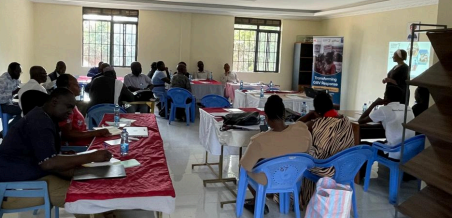
HOMA BAY – A two-day GenderBased Violence (GBV) conference convened in Homa Bay has cast a sobering spotlight on the silent epidemic of sexual violence sweeping through communities across western Kenya. Under the theme “Strengthening Community Action Against GBV: Prevention, Protection and Response,” the forum brought together more than 35 stakeholders, including the National Police Service, teachers, children’s officers, civil society organisations, and paralegals, in an urgent call for united action.
The conference, attended by the Kisumu Regional Office of the National Gender and Equality Commission (NGEC), revealed disturbing trends: defilement and rape cases are on the rise, yet survivors remain trapped in a cycle of fear, stigma, and silence. Reporting rates are dismally low, enforcement is weak, perpetrators often move unchecked between communities, and the absence of safe shelters leaves victims exposed to further harm.
“We cannot continue to watch survivors suffer in silence while perpetrators walk freely. Communities, duty-bearers, and policymakers must act in unison to strengthen prevention, deliver justice, and restore dignity to those affected,” said Davis Okeyo from NGEC during the deliberations. Stakeholders painted a stark picture of the systemic gaps frustrating the fight against GBV. Survivors often find themselves without medical, psychosocial, or legal support. In some instances, cultural taboos and family pressure push victims to remain quiet, allowing abusers to escape accountability.
Children’s officers reported cases where young survivors were withdrawn from school to avoid public shame, only deepening their trauma. Civil society groups noted that inadequate coordination among law enforcement, health providers, and community structures continues to weaken response efforts.
NGEC’s participation in the Homa Bay conference is part of its broader mission to foster equality and inclusivity and to ensure no Kenyan is left behind due to discrimination or violence.
Stakeholders called for urgent interventions: expanding safe shelters, training law enforcement on survivorsensitive handling of cases, establishing rapid response systems in rural areas, and scaling up community awareness campaigns to dismantle stigma.