NAIROBI — Kenya has taken a significant step toward strengthening its response to sexual violence following deliberations by the National Council on the Administration of Justice (NCAJ) Committee on Sexual and Gender-Based Violence (SGBV) on the Draft Sexual Offences (Amendment) Bill, 2025.
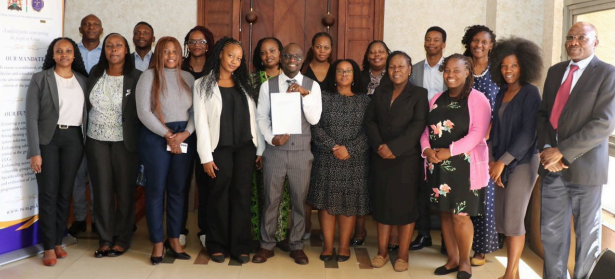
The interactive meeting, held at the NCAJ offices and attended by key justice sector stakeholders, focused on charting the way forward after the completion of a technical review of the draft Bill. The National Gender and Equality Commission (NGEC), a member of the NCAJ SGBV Committee, participated in the discussions as part of its constitutional mandate to promote equality, protect vulnerable groups, and advance access to justice.
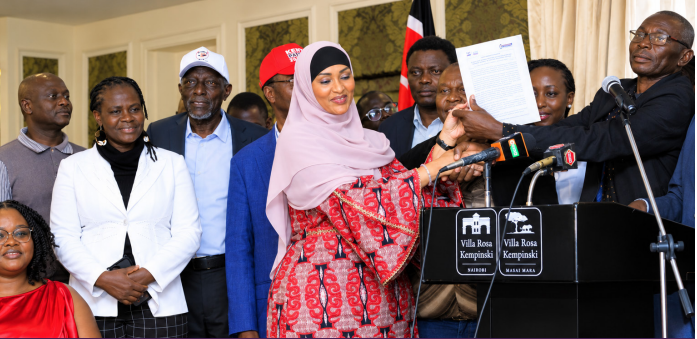
During the session, the Committee Vice Chairperson, Mr Desire Njamwea, formally received the Draft Sexual Offences (Amendment) Bill, 2025 from the Kenya Law Reform Commission (KLRC). The handover marked a key milestone in the legislative review process, signalling the transition from drafting to broader engagement and validation. Justice sector actors present underscored the need for reforms that respond to persistent challenges in the handling of sexual offence cases, including low conviction rates, case attrition, evidentiary gaps, and barriers faced by survivors in accessing timely and effective justice.
The meeting brought together institutions across the justice chain to align on a coordinated approach to strengthening the legal framework governing sexual offences. Participants emphasised the importance of laws that are not only legally sound but also practical, enforceable, and responsive to the realities faced by survivors, investigators, prosecutors, and judicial officers.
For the National Gender and Equality Commission, the process is particularly critical for ensuring that the revised law adequately addresses the needs of women, children, persons with disabilities, older members of society, and other groups disproportionately affected by sexual and gender-based violence.
Following the review, the Committee will subject the draft Bill to structured stakeholder engagement, allowing for inputs from relevant government institutions, civil society organisations, professional bodies, and affected communities. This consultative phase is intended to ensure that diverse perspectives are meaningfully incorporated into the proposed amendments.
The stakeholder engagement process will be followed by a validation phase, aimed at strengthening the Bill’s coherence, responsiveness, and effectiveness before it proceeds further along the legislative pathway. This stage will focus on addressing identified gaps, aligning the Bill with constitutional principles, and ensuring consistency with existing laws and international obligations.
The proposed amendments come at a time when Kenya continues to grapple with high incidences of sexual and gender-based violence, particularly affecting women, children, and persons with disabilities. Justice sector reports and civil society analyses have consistently pointed to systemic weaknesses that undermine survivor protection and accountability for perpetrators. Stakeholders at the meeting noted that legislative reform, while not sufficient on its own, remains a critical pillar in strengthening prevention, improving case management, and restoring public confidence in the justice system.
Once refined and validated, the Draft Sexual Offences (Amendment) Bill, 2025 will advance through the remaining stages of the legislative process, including policy approval and parliamentary consideration. For institutions involved in the reform process, the objective remains clear: to ensure that Kenya’s legal framework on sexual offences is robust, survivor-centred, and capable of delivering justice consistently and effectively.
As the Bill progresses, its impact will ultimately be measured not by legislative milestones alone, but by whether survivors experience a justice system that is accessible, responsive, and firmly anchored in accountability.