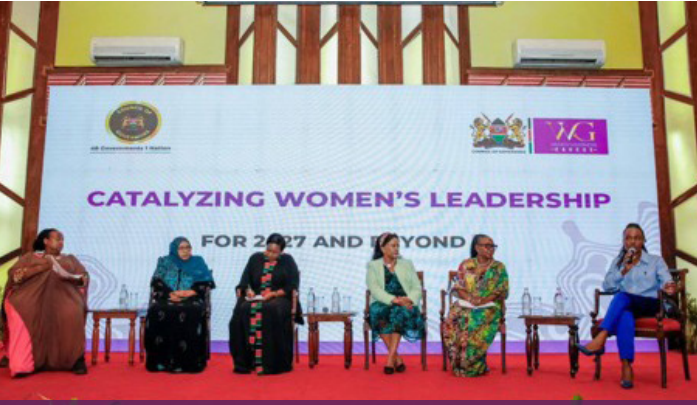

Kisumu’s efforts to confront sexual and gender-based violence entered a moment of sober reflection this week, as government agencies, civil society organisations, and development partners gathered to review the county’s Sexual and Gender-Based Violence (SGBV) Policy of 2019. The engagement, led with technical guidance from the Commission, offered a candid assessment of what has worked, what has stalled, and what must urgently change if survivors are to receive the protection and justice they deserve.
Adopted in 2019, the policy was widely seen as a progressive step towards strengthening prevention, response, and coordination across sectors. It promised a framework that would bring together health facilities, law enforcement, social services, and community actors to ensure survivors received timely, dignified, and comprehensive support. Yet, years into its implementation, stakeholders acknowledged that the promise of the policy has not fully translated into consistent protection on the ground.
The review sessions provided a structured platform to examine the policy’s substance and practical application. Participants reflected on the experiences of frontline actors and the realities facing survivors across the county. What emerged was a picture of a system still grappling with coordination challenges, resource constraints, and service gaps that undermine the effectiveness of otherwise well-intentioned provisions.
In some areas, survivors still face long journeys to access medical care or legal support. In others, referral systems remain fragmented, forcing victims to move from one institution to another without clear guidance. Data systems, meant to track cases and inform policy decisions, were also identified as inconsistent, making it difficult to measure progress or identify trends.
These shortcomings, stakeholders noted, are not merely administrative obstacles. They represent real consequences for individuals and families navigating the aftermath of violence. For a survivor seeking justice, delays, stigma, and institutional confusion can mean the difference between pursuing a case and abandoning it altogether.
The discussions were marked by a shared recognition that effective policy implementation requires more than written frameworks. It demands sustained political will, adequate resources, trained personnel, and strong coordination among service providers. Participants emphasised the need to strengthen referral pathways, invest in survivor-friendly facilities, and enhance data systems to support evidence-based decision making.
There was also consensus on the importance of community engagement. Cultural stigma, fear of reprisal, and lack of awareness continue to discourage reporting in many areas. Addressing these barriers, stakeholders said, is essential to building a system that survivors trust.
Despite the challenges highlighted, the review was not framed as a failure, but as a necessary step towards improvement. By openly confronting implementation gaps, the county and its partners signaled a renewed commitment to building a more responsive and survivor-centred framework.
The exercise marks an important milestone in the broader effort to eliminate sexual and gender-based violence and uphold the rights and dignity of all persons, particularly vulnerable groups.
As Kisumu moves forward, the success of the policy will ultimately be measured not by the strength of its language but by the safety, support, and justice experienced by those it is meant to protect.